
When you start living together, everyday chores suddenly become a 'system': who buys groceries, where the kettle warranty is kept, how to split bills, and who takes out the trash. Usually, problems arise not from laziness or indifference, but from mismatched expectations and forgotten agreements.
The good news: couples and technology go great together. Well-chosen apps for couples help move routine tasks out of emotionally charged conversations and into clear lists, reminders, and transparent rules.
Below are 5 options that cover the most common scenarios of cohabitation: shopping, finances, tasks, calendar, and communication. These are specifically apps for shared household management that save time and nerves.
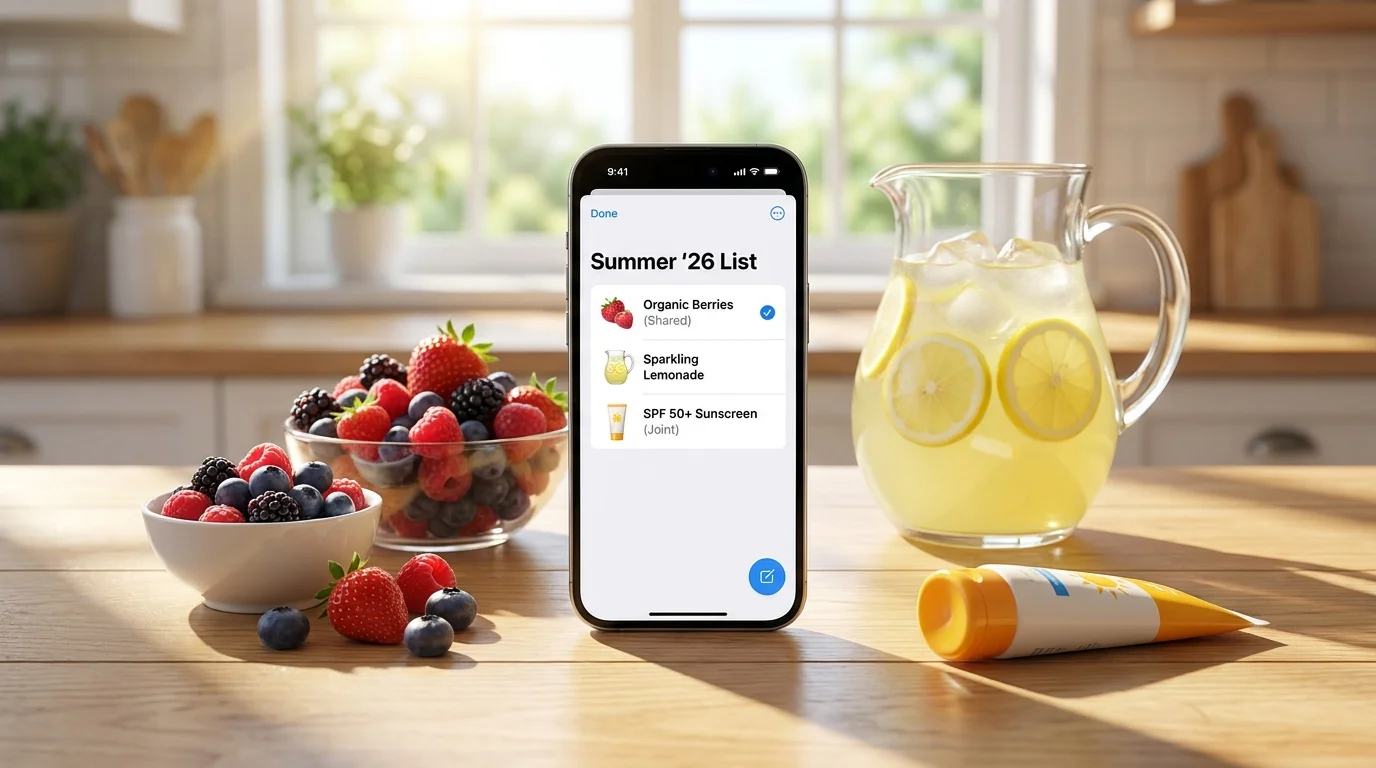
1) Shared Shopping Lists: To Avoid Buying 'Another Ketchup'
A shopping list is a small thing until you come home with two packs of coffee and no toilet paper. A shared list solves two problems at once: you see what's actually needed and avoid duplicate purchases.
It's perfect when the list syncs in real time. Then, if one person adds milk, the other sees it immediately, even if they're already standing in front of the shelf at the store.
What to look for when choosing an app:
- Shared access and synchronization without delays;
- 'Purchased' checkmarks and quick item entry;
- Convenience for one-handed phone use (important in the store);
- Purchase history or templates for recurring lists.
Practice: Agree that whoever notices something running out adds it to the list. This eliminates the eternal question, 'Why didn't you say something?'
2) Finances and Shared Budget: Fewer Misunderstandings, More Clarity
Money is one of the most common causes of household conflicts, especially at the beginning of living together. An expense tracking app helps calmly see the big picture: how much is spent on groceries, delivery, utilities, and 'little things'.
There are many options: from simple 50/50 splits to flexible scenarios (e.g., one pays rent, the other pays for groceries). The key is transparency and the habit of recording expenses.
Mini-checklist for setting up a shared budget:
- Define the format: 50/50, proportional to income, or 'each pays for their own'.
- Agree on categories: housing, groceries, transport, subscriptions, 'home'.
- Choose a day of the week for a 10-minute expense review.
- Separately mark 'personal money' that isn't up for discussion.
If tact is important to you, choose a tool that easily separates shared and personal expenses. That way, finances remain a support, not a reason for control.
3) Household Tasks: So 'I Do Everything' Isn't Heard Every Week
Household chores rarely take much time individually, but they pile up and become annoying. Task apps help distribute responsibility without constant reminders to each other.
Simple rules work best: recurring tasks (trash, cleaning, laundry), clear deadlines, and the ability to quickly mark completion. Also, visibility of the workload: when both see the list, the feeling that 'only I'm doing things' disappears.
How to implement without resistance: Start with 5–7 tasks that genuinely repeat every week. Don't turn the list into a '50-item document'—it should help, not pressure.
4) Shared Calendar: Synchronizing Plans Without Endless Clarifications
Living together isn't just about chores; it's also about schedules: doctors' appointments, trips, meetups with friends, family visits, furniture deliveries. A shared calendar helps avoid situations where you've both planned different things for the same evening.
Particularly useful features: shared access, reminders, recurring events, and the ability to add notes (address, time, what to bring). This reduces the number of 'what time?' and 'where?' messages.
Tip: Create a separate calendar specifically for the couple. Keep personal matters personal, and keep shared matters visible to both.
5) Communication and Agreements: Less 'Guess What I Mean', More Specifics
Even the closest people can't read minds. In everyday life, this manifests constantly: 'I thought you would buy it,' 'I didn't understand that was important,' 'I forgot.' Tools that record agreements help here: notes, pinned messages, short lists.
Some prefer a shared 'home' chat; others prefer notes with sections like 'repairs,' 'shopping,' 'weekend ideas.' It's important that information isn't lost and is available when needed.
A simple 5-minute weekly ritual: Open your notes/list and update three things—what to buy, what household tasks are due this week, and what the weekend plans are. It sounds trivial, but it works great.
How to Choose Apps for Couples That Fit Your Lifestyle
You don't need to install everything. Couples and technology work better when there are few tools, and they're genuinely used every day.
Focus on three criteria:
- Speed: Adding an item or expense should be faster than texting your partner.
- Collaboration: Shared access and synchronization are mandatory.
- Habit: The app should fit your real-life routine, not an ideal picture.
If you're just starting, begin with a basic set: a shared shopping list + household tasks. These usually provide the quickest effect in shared living.
Conclusion
Living together becomes easier when rules and routines are moved into clear tools. Good apps for couples don't replace conversations, but they remove unnecessary reasons for arguments: who promised what, what needs to be bought, and when to do it.
If you want to start with the most practical option—shopping—try Pickt: it's a free mini-app in Telegram for shared lists with real-time sync. It opens in a couple of clicks via the link t.me/PicktBot/app and is convenient when you need a list right in the chat.