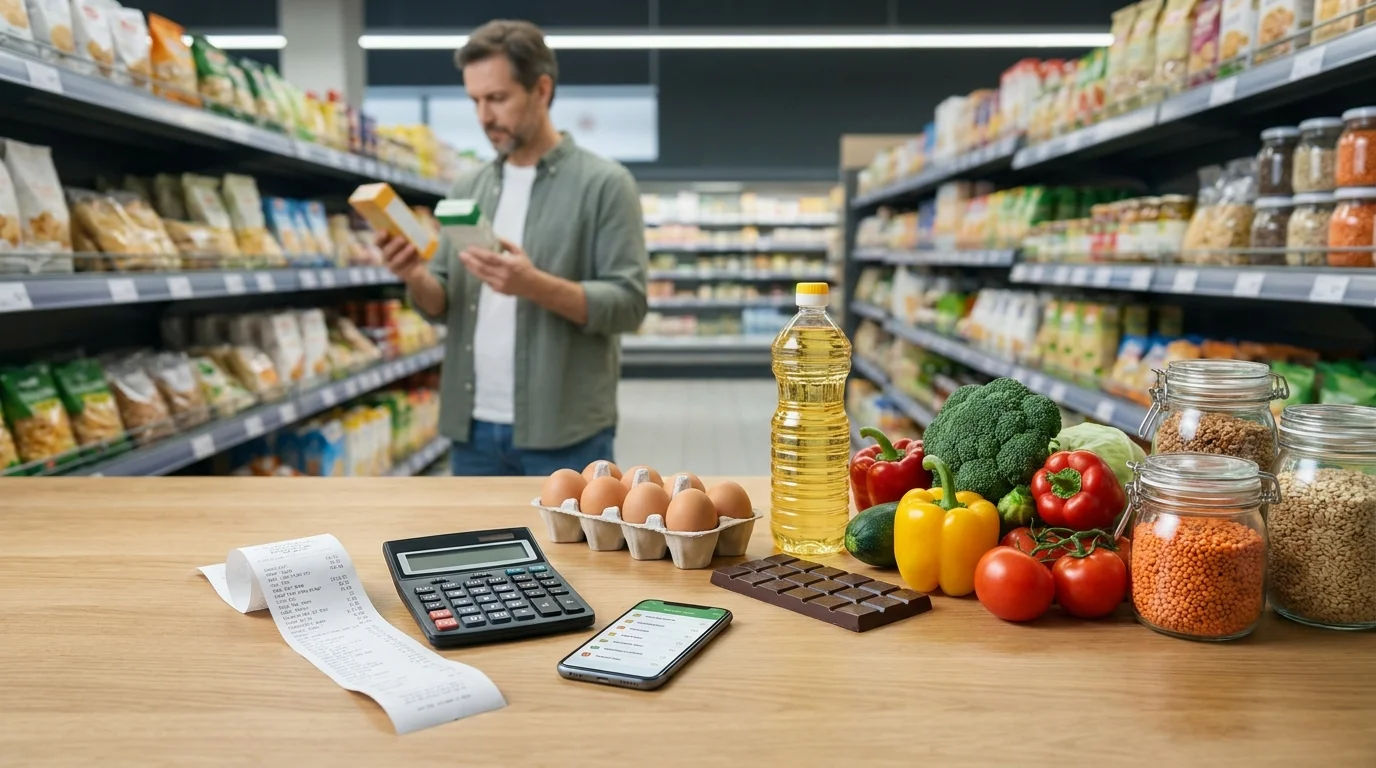
Inflation news usually talks about average price increases, but shoppers face a different reality: the usual set of products in your receipt can rise noticeably faster or, conversely, slower than the overall figure. If your basket has lots of sweets, oil, ready meals, eggs, or red meat, your personal grocery inflation is often higher than average. For those who buy more grains, legumes, seasonal vegetables, and cook at home, the increase in spending may be more moderate.
In 2026, global trends in food markets remain uneven. Product prices are influenced by harvests, weather, logistics, energy prices, feed, packaging, labor, and currency fluctuations. Therefore, prices vary greatly by region, city, chain, and even store format. It's important not to look for a universal number, but to understand which products have risen in price specifically in your basket and which substitutions will bring real savings.
Table of contents
- Which categories most often drive up the receipt total.
- Why sweets, oil, and ready meals rise faster than staple foods.
- What to replace expensive products with without losing dietary quality.
- How to measure your personal inflation using receipts over three months.
- Which habits help keep spending under control.
Which categories have risen the most?
According to food market analysts, in 2026 the most sensitive categories remain sugar, chocolate, candies, pastries, and other confectionery products. This is no coincidence: their cost structure combines several unstable components at once—sugar, cocoa, fats, dairy ingredients, packaging, and transportation. When even some of these rise, it's hard for manufacturers to fully maintain the previous price.
Notable increases in recent years have also been seen for eggs, vegetable oils, and red meat. For eggs, the cost of feed, veterinary risks, energy, and production conditions are critical. Vegetable oils depend on oilseed harvests, weather factors, and global trade. Red meat is sensitive to feed prices, the long animal rearing cycle, processing, and logistics.
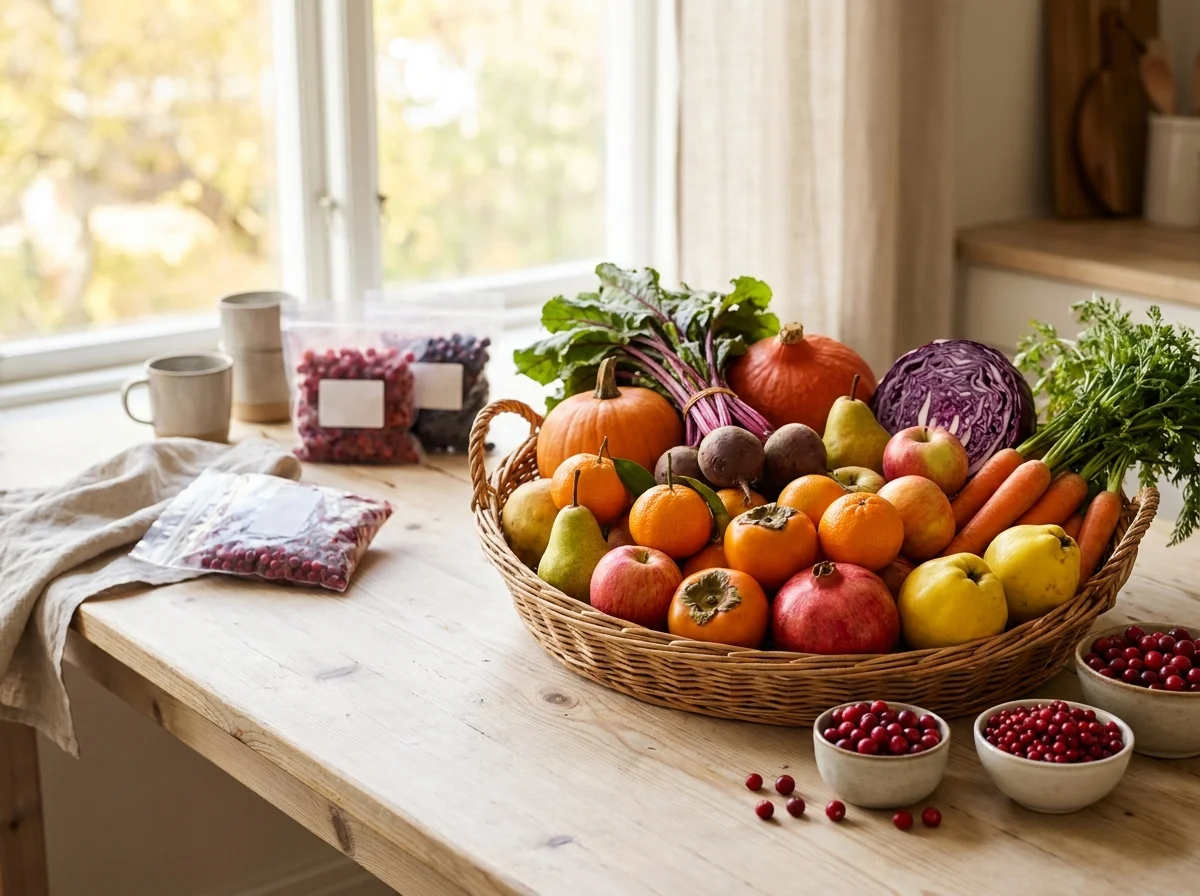
Vegetables, grains, and legumes look relatively more stable on average, especially if you choose seasonal items and don't stick to just one product. This doesn't mean they don't rise at all: local weather, seasonality, and supply can sharply change the price of a particular vegetable. But as a dietary staple, these categories usually offer more flexibility than sweets, convenience foods, or ready meals.
A separate area of growth is ready meals, deli food, and dining out. Their cost includes not only ingredients but also rent, wages, delivery, packaging, equipment, waste, and a markup for convenience. Therefore, a ready lunch or a restaurant order often rises faster than a similar set of ingredients for home cooking.
Why do sweets and oil rise faster than vegetables?
Vegetables, grains, and legumes usually have a shorter processing chain. Potatoes, cabbage, carrots, lentils, or buckwheat can reach the store with relatively few production stages. Of course, there's storage, sorting, packaging, and transport, but the cost structure remains clearer.
Confectionery products are more complex. A chocolate bar isn't just cocoa: it contains sugar, cocoa products, dairy components, fats, flavorings, packaging, production, and marketing. Cookies, cakes, and candies are similar. If cocoa beans or sugar rise, the change can quickly show up on the shelf, especially in products with a high share of these ingredients.
For vegetable oils, the global interconnection of markets matters. The price of a specific oil depends not only on local harvests but also on the situation with other oilseeds, export flows, weather, and stocks. As a result, even a familiar product can become noticeably more expensive over a relatively short period.
There's also a less obvious factor: manufacturers sometimes keep the package price but reduce its weight. So when analyzing food prices in 2026, it's useful to compare not just the price tag but also the cost per kilogram, liter, or 100 grams. That's what shows the real trend best.
How to rebuild your basket without cutting your diet?
Saving doesn't necessarily mean giving up favorite foods or switching to a monotonous menu. You can rebuild your diet to keep protein, fiber, fats, and flavor while reducing dependence on the most volatile categories. The main principle is to replace not the product "in general" but its nutritional function.
For example, you don't need to eliminate red meat entirely: you can buy it less often, choose cheaper cuts for stewing, and base some meals on poultry, fish, legumes, or eggs—depending on current prices at your store. Expensive desserts can remain a planned purchase rather than an automatic addition to your receipt. Instead of a ready salad or delivery, it's convenient to keep a set of ingredients for a quick dinner at home: grains, frozen vegetables, legumes, eggs, cheese, or poultry.
| Item that rose in price | What to replace it with without losing quality | What this saves on |
|---|---|---|
| Chocolate bars and candies | A small portion of dark chocolate, homemade yogurt with fruit, nuts on sale | Reduces spending on sugar, branded packaging, and impulse purchases |
| Ready meals and delivery | Home-cooked dishes for 2–3 servings: soup, casserole, grains with vegetables and protein | Eliminates the markup for rent, delivery, packaging, and service |
| Red meat for everyday meals | Poultry, legumes, eggs, fish at seasonal prices; meat 1–2 times a week | Keeps protein at a lower cost per serving |
| Expensive vegetable oils | Choose oil by purpose: a basic one for cooking, a more aromatic one for salads in small amounts | Reduces the use of expensive oil without compromising taste |
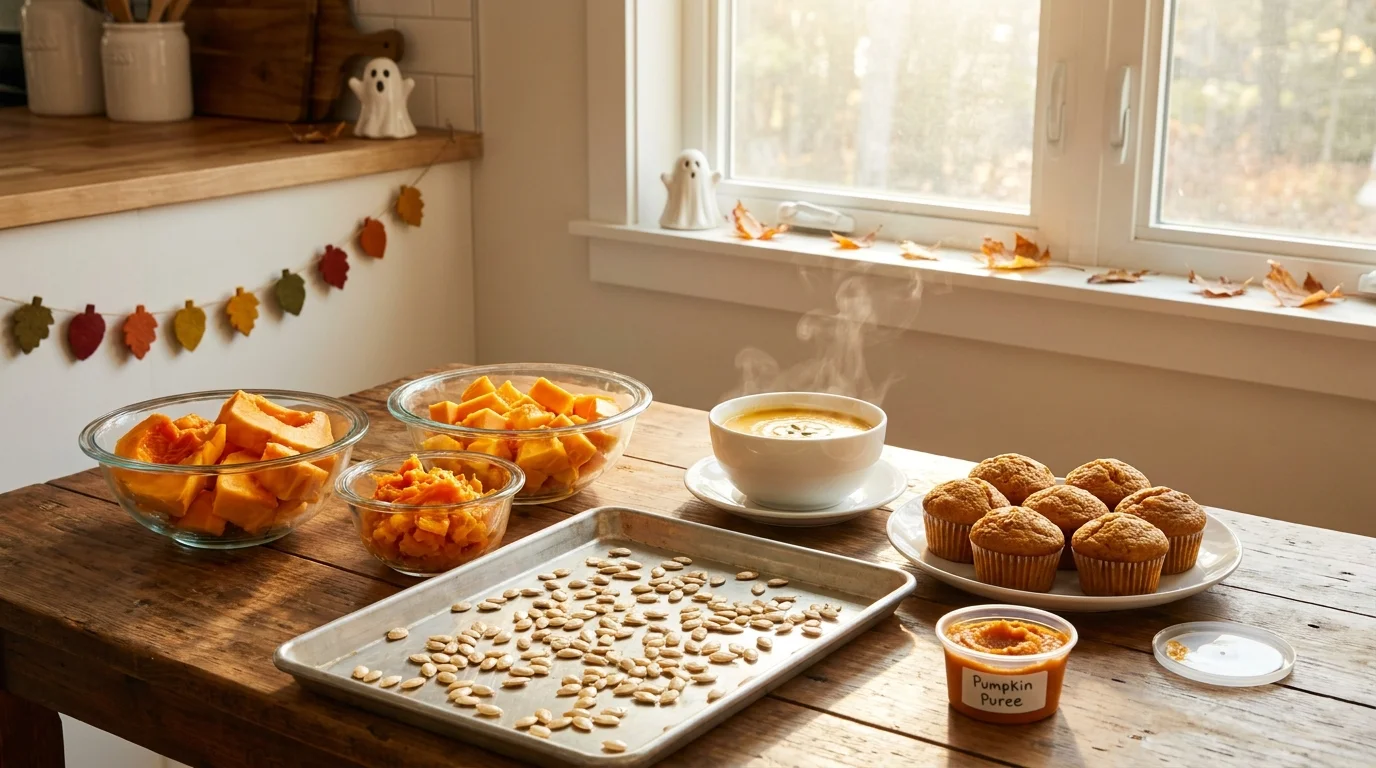
| Off-season fresh vegetables | Seasonal vegetables, frozen mixes, cabbage, carrots, beets, legumes | Reduces overpaying for greenhouse production and long-distance logistics |
When answering the question of what to replace expensive products with, don't look for a perfect substitute for each item. It's much more effective to build a menu from interchangeable groups: several types of grains, several protein foods, seasonal and frozen vegetables, and different cooking methods. Then a price increase on one item won't force you to pay more for the whole basket.
How to measure your personal inflation using your receipts over three months?
A simple analysis takes about 15 minutes if you have paper or electronic receipts. The goal isn't to build a complex financial model but to spot the 5–10 items that are driving your receipt up the most.
- Collect receipts for three consecutive months. If you have many purchases, just pick 3–4 typical receipts per month.
- Divide purchases into categories: protein, dairy, grains and legumes, vegetables and fruits, sweets, oils, ready meals, drinks.
- For recurring items, write down the price per unit of weight or volume: kilogram, liter, 100 grams.
- Compare not only the item price but also the total amount for the category. Sometimes a product rises moderately, but spending goes up because you buy it more often.
- Identify the three main sources of growth: for example, delivery, sweets, and meat. These are what you should work on first.
It's convenient to keep a shared shopping list in Pickt: shared lists in Telegram and notes about actual purchases help you see which items appear regularly in your basket and drive the biggest increase in your receipt. You don't need to track every little thing—just a few weeks of observation gives a clear picture.
For the calculation, you can use a simple formula: the total of a typical basket in the current month minus the total of the same basket three months ago, then divide the difference by the previous total. But compare the same volumes. If you used to buy a 500-gram package and now buy 400 grams, comparing only the package price would be wrong.
How to save on groceries without a strict austerity regime?
The best way to cut spending isn't to chase every discount but to reduce the share of unplanned and high-markup purchases. Plan a menu for at least 3–4 days, check your supplies before going to the store, and choose one or two main places to shop for clear price comparisons.
- Buy staple products with a good shelf life in reasonable quantities: grains, legumes, frozen items, spices.
- Compare the price per kilogram or liter, not the discount size on the price tag.
- Treat sweets and ready meals as a separate budget line, not an automatic addition.
- Use seasonality: replace some fresh vegetables with frozen ones when fresh are more expensive.
- Cook with leftovers for the next day, but don't overbuy perishable items.
Grocery inflation feels especially strong when familiar emotional purchases rise: coffee to go, desserts, a ready dinner, favorite oil, or meat. But a calm analysis of receipts usually shows that you don't need to change everything at once for a noticeable result. Just find a few categories with the fastest growth, pick equivalent alternatives, and keep in your basket what truly matters for your lifestyle.