November is a transitional month for the grocery basket. The fresh local season is almost over: affordable field-grown tomatoes, cucumbers, berries, and most greens disappear. Instead, it's time for long-storing vegetables, late apples and pears, pumpkin, cranberries, the first tangerines, and other citrus fruits. The diet becomes more "autumnal," featuring soups, casseroles, cabbage and root vegetable salads, snack fruits, and freezer staples.
Seasonality varies by region and country: in some places, local persimmons or late greens are still available in November, while elsewhere almost all fruits are imported. So, rely not only on the calendar but also on the country of origin, appearance, and price reasonableness. The main principle for November is simple: focus on what stores well, has been recently harvested, or is naturally in season from warmer regions.
What's the Best Value to Buy in November?
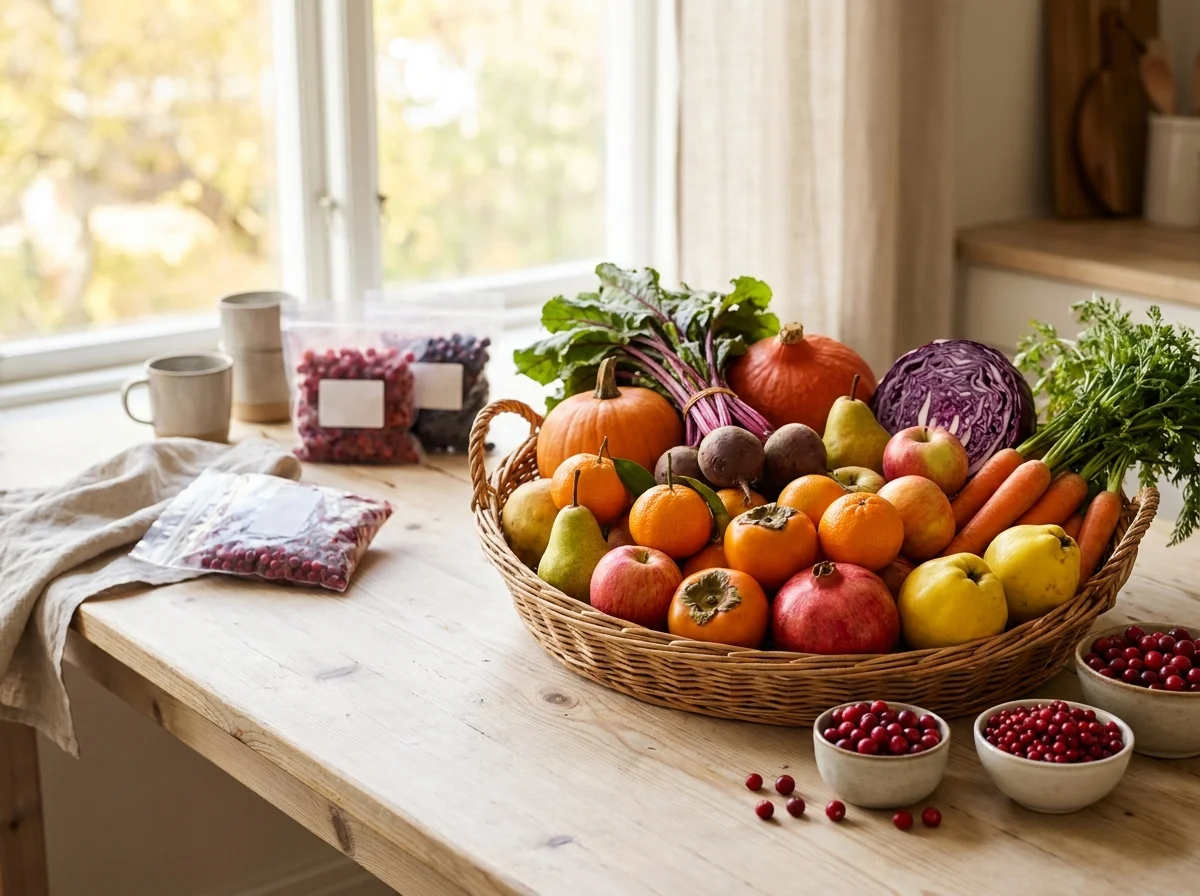
The most rational seasonal products in November are root vegetables, cabbage family vegetables, late pumpkin, apples, pears, cranberries, and lingonberries. These are either harvested in autumn and stored, or they maintain quality without complex greenhouse technology. They typically offer a good balance of flavor, nutrition, and relative cost.
Base your menu on beets, carrots, turnips, rutabaga, potatoes, white and red cabbage, cauliflower, broccoli, kohlrabi, and Brussels sprouts. These are easy to turn into budget-friendly sides, cream soups, stews, salads, and pie fillings. Cabbage family vegetables are especially convenient for planning: one head of white cabbage can be used in cabbage soup, salads, and sautéed dishes.
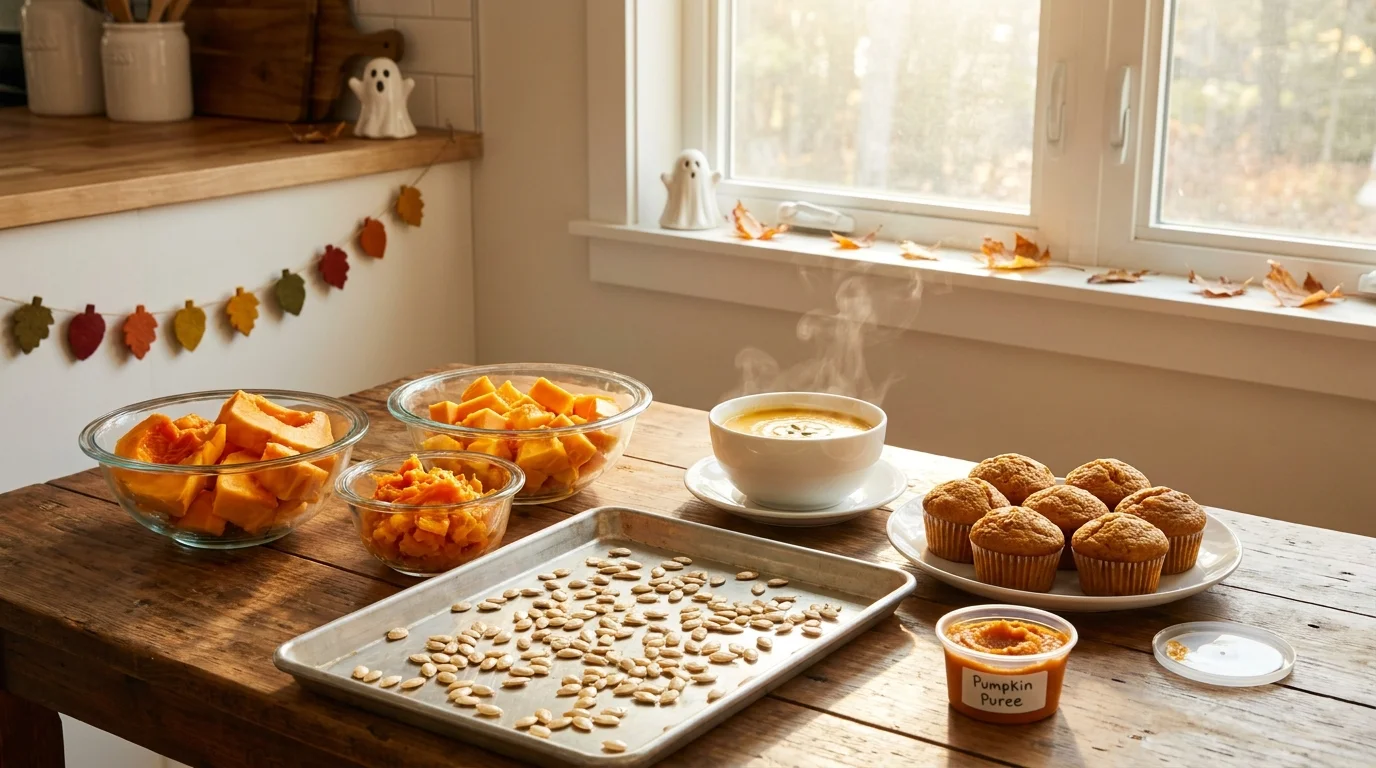
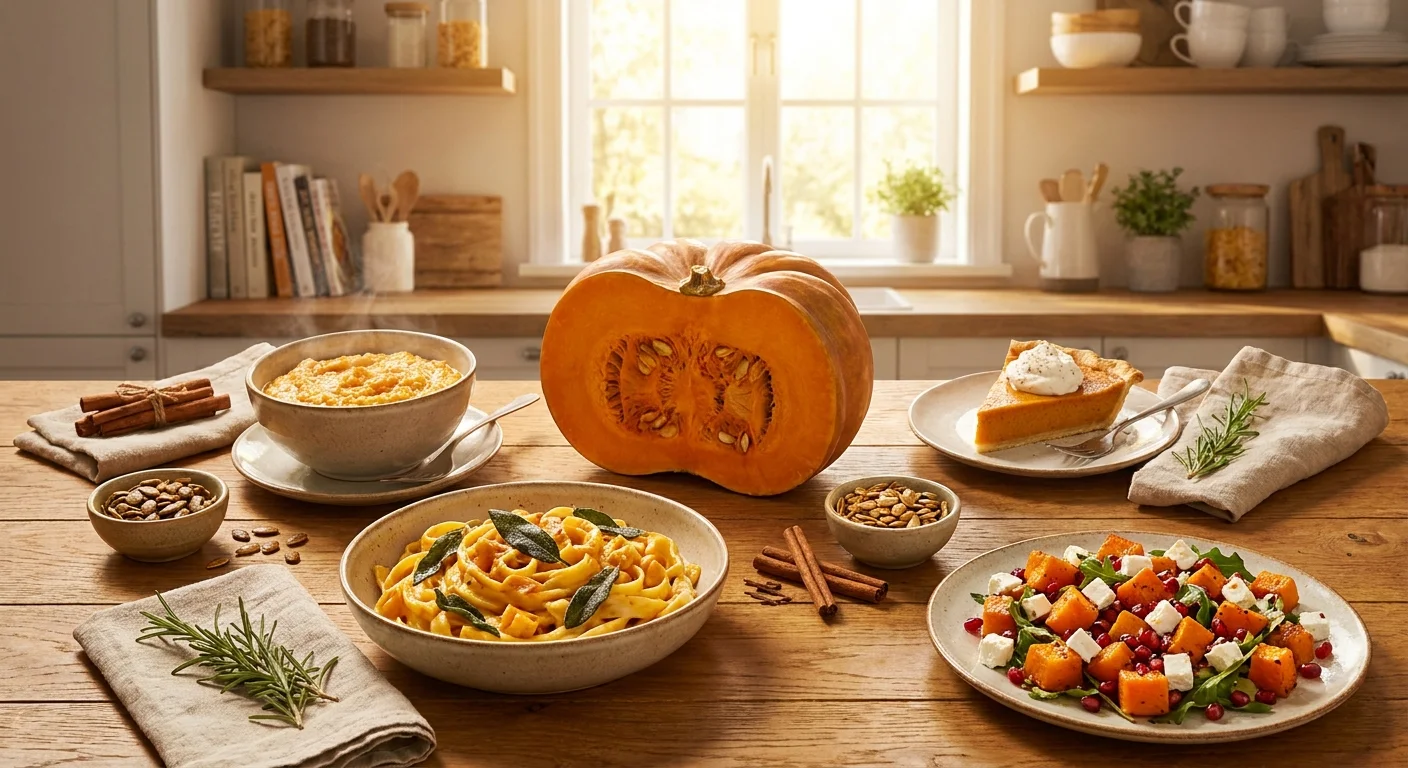
Late-harvest pumpkin deserves special attention. In November, it often has had time to "ripen" after harvest, becoming sweeter and more aromatic. Choose dense fruits without soft spots or deep damage: a whole pumpkin stores for a long time, and its flesh is perfect for porridge, soups, roasting, and desserts.
For the fruit part of your basket, choose late-season apple and pear varieties. They usually handle transportation and storage better than early summer varieties. November also marks the noticeable start of the season for tangerines, oranges, grapefruits, and lemons. Citrus fruits at this time often look and smell more convincing than in early autumn.
What Should You Avoid Buying Fresh?
In November, you don't have to completely give up tomatoes, cucumbers, and greens, but you should buy them thoughtfully. In most regions, these are greenhouse products or imports that cost more than seasonal alternatives. Their flavor may be less intense, and the price noticeably higher due to greenhouse cultivation, logistics, and storage.
Fresh berries—strawberries, raspberries, blueberries, and blackberries—are especially often overpriced. You can buy them for a specific dish or celebration, but for everyday meals, frozen berries are a better value. Frozen berries are a fair alternative to expensive fresh ones: they are typically frozen in season when they are affordable and ripe. They're convenient to add to porridge, yogurt, smoothies, compotes, and baked goods.
In November, it's better to replace summer vegetables with seasonal ones. Instead of watery greenhouse tomatoes, use roasted pumpkin, beets, carrots, or cabbage. Instead of expensive fresh herbs, keep dill, parsley, spinach, or vegetable mixes in the freezer. This helps avoid buying summer products out of habit when they no longer offer the familiar taste and value.
How to Tell If a Vegetable Has Been Stored Too Long?
Long-storing vegetables don't have to look perfectly glossy, but they should be firm, heavy for their size, and without obvious signs of wilting. For carrots and beets, be wary of softness, wrinkled skin, black moist spots, mold, and a strong musty earthy smell. Turnips and rutabaga should not have loose or dented areas.
Choose cabbage by weight and firmness: the head should be dense, with dry, tightly packed leaves. A few outer leaves may be wilted—this is normal, especially for white cabbage. But wet spots, slime, blackening of the core, and a sharp unpleasant odor indicate improper storage or that the product has been kept too long.
Good-quality pumpkin has a hard rind and a dry stem. If the stem is wet, missing, or there's a soft spot around it, the pumpkin may be starting to spoil from the inside. For apples and pears, check the area near the stem: dents and darkening often appear there earlier than on the rest of the skin.
November Fruits: Citrus, Persimmons, Pomegranates, and Quince
The first tangerines are one of the main signs of November. Choose fruits that are heavy, firm, and aromatic, without sticky spots, mold, or overly soft sides. The skin doesn't have to be perfectly smooth; this doesn't always affect the taste. More important are the fresh citrus scent and juiciness, which the fruit's weight indirectly indicates.
Many people wonder how to choose persimmons. First, determine the variety: astringent varieties usually need to be very ripe, soft, and almost jelly-like; non-astringent ones can be eaten firmer. A good persimmon has smooth skin without cracks, dry calyx leaves, and a pleasant orange or red-orange color. Avoid fruits with wet dark spots, a fermentation smell, or damaged skin. If the persimmon is astringent, let it sit at room temperature next to apples or bananas.
Pomegranates in November are great for snacking and salads. A ripe pomegranate has firm, matte skin without soft indentations; the fruit feels heavy. Quince is valued for its strong aroma and shines after baking, in compotes, and in jams. It's rarely eaten fresh due to its dense, tart flesh, but for seasonal cooking, it's a practical and long-storing fruit.
Table: Seasonal Vegetables and Fruits in November
| Product | Seasonality in November | How to Choose | Storage Duration |
|---|---|---|---|
| Beets | High, storage season | Firm, no cracks, wet spots, or softness | Up to 1–3 months in a cool place |
| Carrots | High, storage season | Firm, not wilted, no black spots or mold | Up to 2–4 weeks in the refrigerator |
| Turnips and rutabaga | High, storage season | Heavy, smooth, no dented areas | 2–4 weeks in the refrigerator |
| White and red cabbage | High, storage season | Dense, heavy head, dry leaves | 2–6 weeks in the refrigerator |
| Cauliflower and broccoli | Medium, depends on region | Dense florets, no yellowing, dry leaves | 3–7 days in the refrigerator |
| Pumpkin | High, late harvest and storage | Hard rind, dry stem, no soft spots | Whole—1–3 months; cut—up to 5 days |
| Late-season apples | High, storage after harvest | Firm, no bruises or fermentation smell | 2–4 weeks in the refrigerator |
| Late-season pears | High or medium | No damage near the stem, slightly firm | 5–14 days; ripe ones less |
| Tangerines and oranges | Start of active season | Heavy, aromatic, no mold or stickiness | 1–2 weeks in the refrigerator |
| Persimmons | Active import season from warm regions | No wet spots; softness depends on variety | Up to 7 days; firmer ones longer |
| Pomegranates | Active season | Heavy, with firm matte skin | 2–4 weeks in the refrigerator |
| Quince | Late autumn season | Aromatic, firm, no rot or deep dents | 2–4 weeks in a cool place |
| Cranberries and lingonberries | High, fresh or frozen | Dry, whole berries without mold or juice in the package | Fresh—up to 2 weeks; frozen—up to a year |
| Frozen berries and vegetables | Valuable year-round alternative | Free-flowing, without excessive ice | Until the date on the package, usually 6–12 months |
November Weekly Grocery Basket for a Family
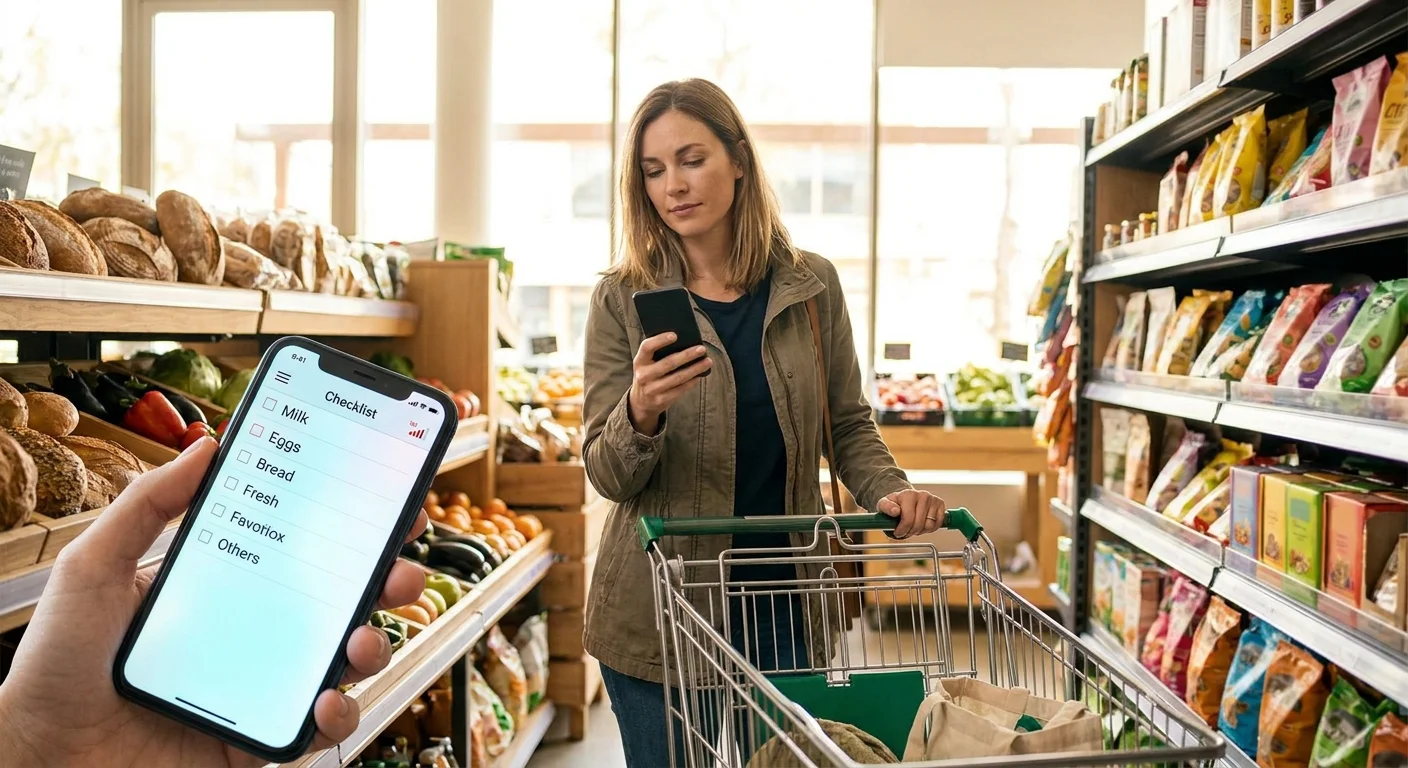
For a family of three to four, it's convenient to put together a basket so that products overlap across different dishes and don't sit unused. You can update a shared list in Pickt once a month: remove summer items, add root vegetables, citrus, and frozen goods, and then distribute the shopping among family members right in Telegram.
- Beets—for salads, roasting, and borscht.
- Carrots—for soups, sides, stews, and snacks.
- Turnips or rutabaga—for roasting and vegetable soups.
- White cabbage—one large head for salad, sautéing, and cabbage soup.
- Cauliflower or broccoli—fresh or frozen.
- Pumpkin—for cream soup, porridge, or roasting.
- Late-season apples—for daily snacks and baking.
- Pears—for a few snacks or dessert.
- Tangerines or oranges—for the family for the week.
- Persimmons—a few fruits, considering ripeness.
- One or two pomegranates or quince—for variety in the seasonal menu.
- Cranberries, lingonberries, or frozen berries—for drinks, porridge, and sauces.
- Frozen spinach, herbs, or vegetable mix—as a backup for days when there's no time to cook.
This approach helps you buy not just "vegetables and fruits" in November, but products with a clear shelf life and multiple usage scenarios. Seasonal vegetables and fruits offer more opportunities for savings: buy fresh produce where it truly shines in November, and confidently replace off-season berries, greens, and some vegetables with quality frozen alternatives.