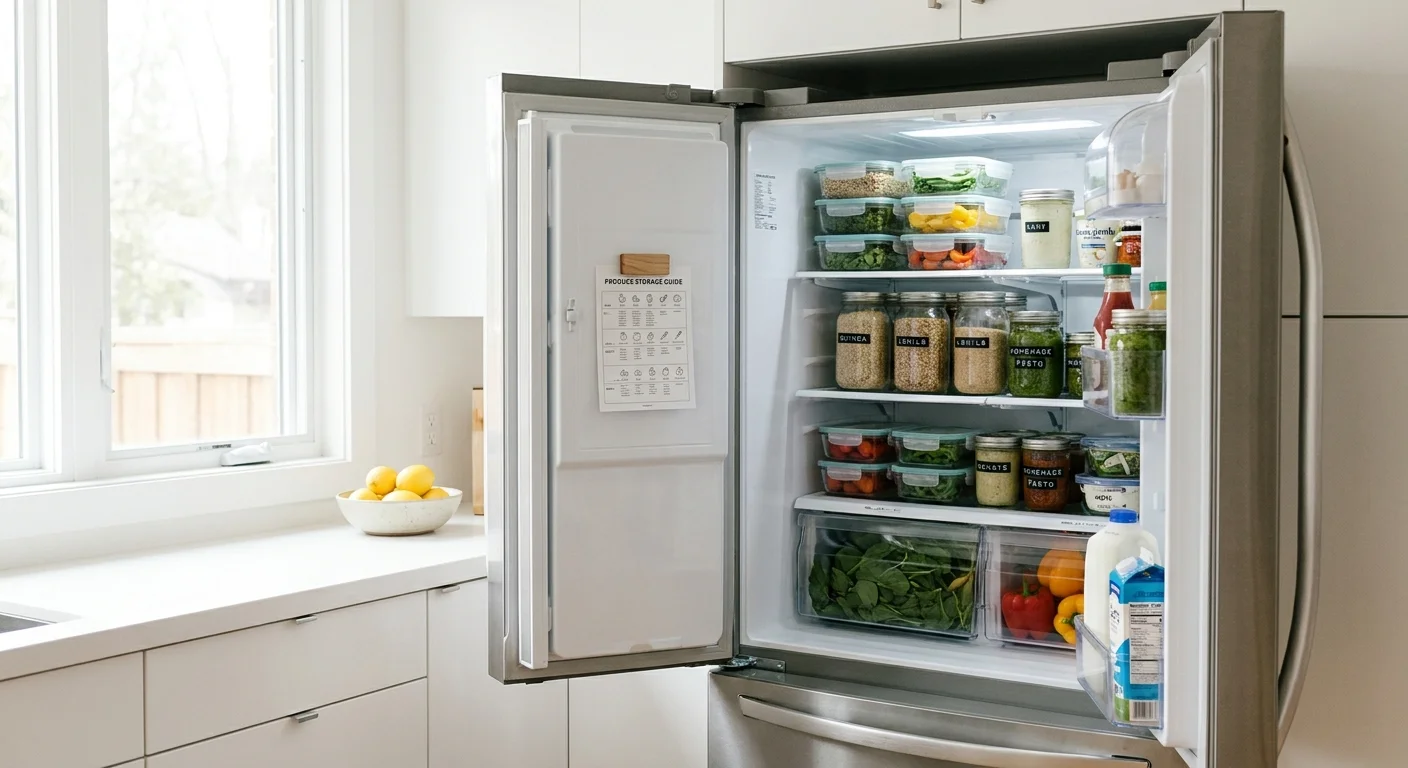
What to replace expensive foods with? Start with simple swaps that barely change the taste of your dishes: choose seasonal vegetables instead of "exotic" ones, cheaper cuts of meat instead of tenderloin, frozen berries instead of fresh ones, grains instead of ready-made side dishes, and homemade sauces instead of branded ones. Below are 6 clear points with budget alternatives and tips on how to buy cheaper without compromising quality.
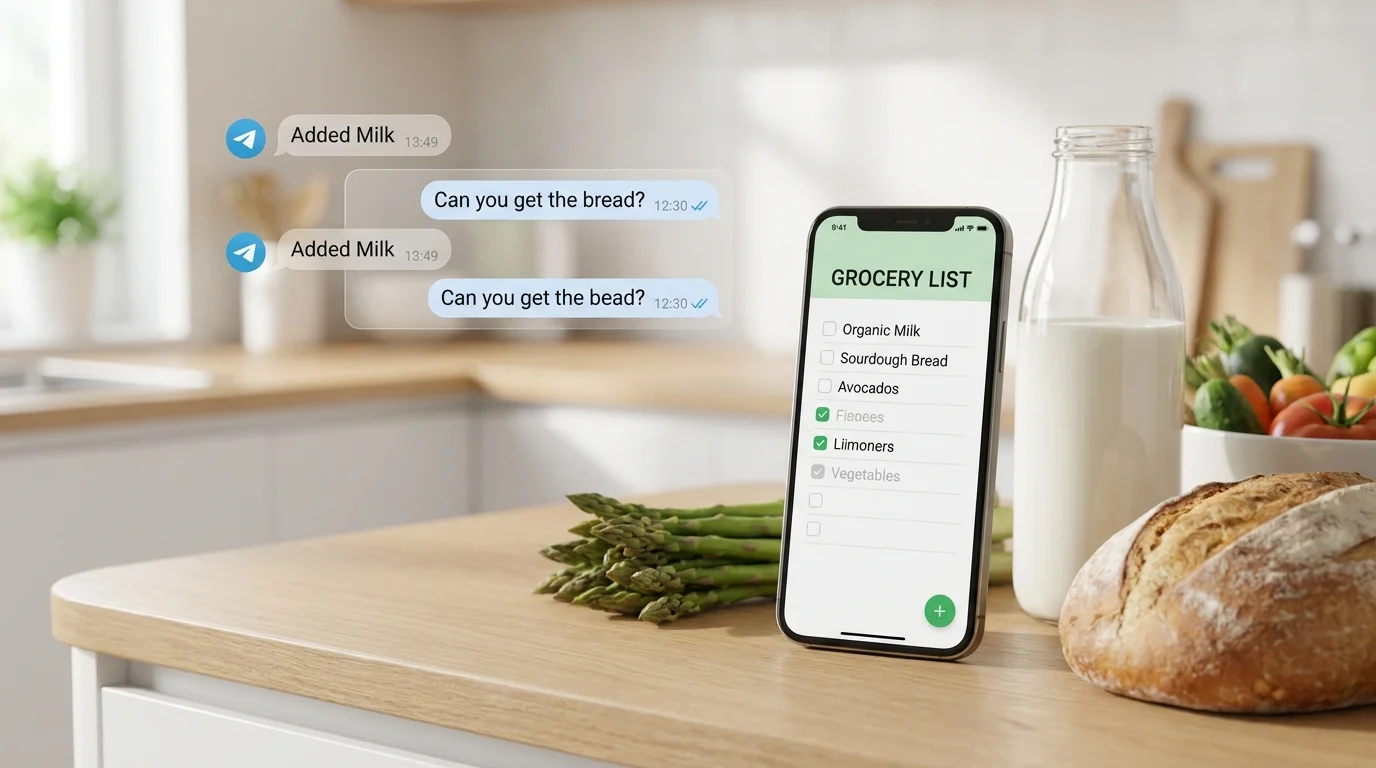
To remember successful swaps and quickly coordinate purchases with your family, it's convenient to keep a shared list in the free mini-app Pickt in Telegram: t.me/PicktBot/app — changes sync in real time.
-
1. Fish and Seafood: What to Replace Salmon, Shrimp, and Steaks With
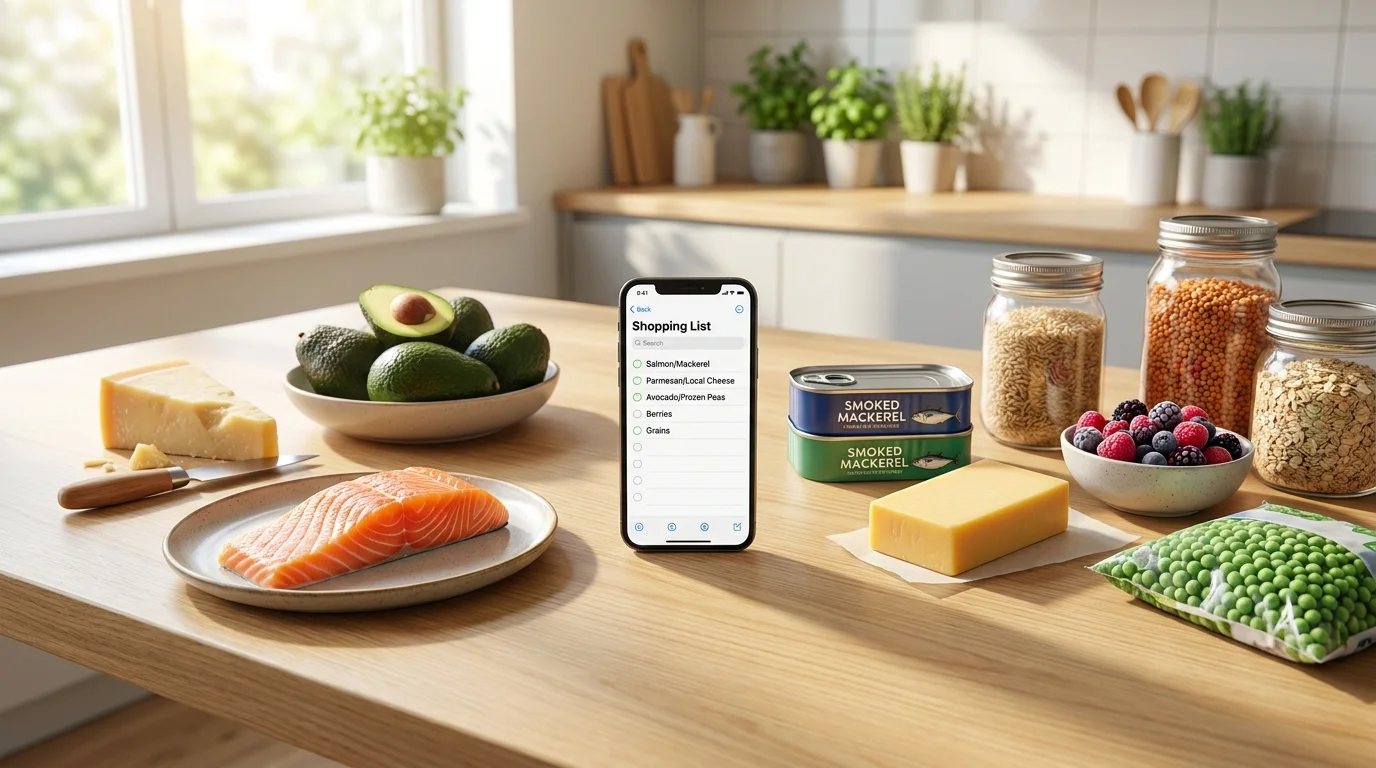
If your basket regularly includes salmon or expensive tuna steaks, replace them with more affordable fish with similar nutritional value: mackerel, herring, pink salmon, hake, pollock, or blue whiting. For salads and pasta, instead of shrimp, use squid (bodies/rings) and frozen mussels — they are often cheaper and just as high in protein.
How to buy cheaper: choose whole frozen fish or large pieces rather than portioned fillets; the cost is mostly driven by processing and packaging. For baking, use a marinade (lemon, garlic, oil, spices) — it evens out the flavor of more budget-friendly varieties.
-
2. Meat: What to Replace Tenderloin, Steaks, and Expensive Convenience Foods With
Instead of beef tenderloin and premium steaks, choose shoulder, neck, brisket, shank, or thigh — these cuts are cheaper and great for stewing, roasting, and soups. Chicken breast can be partially replaced with thigh or drumstick: they are usually cheaper and juicier, especially in the oven.
If you want something like "cutlets/nuggets," make homemade convenience foods: ground turkey/chicken, breadcrumbs with spices, and freeze in portions. This way, you solve the "what to replace expensive foods with" problem in the ready-meal category and control the ingredients without paying extra for a brand.
-
3. Cheeses and Dairy Products: What to Replace Parmesan, Mozzarella, and "Fitness Yogurts" With
Parmesan in pasta and salads can often be replaced with more affordable aged hard cheeses from local producers: their "umami" effect and saltiness are similar, especially when finely grated. Mozzarella in hot dishes (pizza, casseroles) can often be replaced with a mix of semi-hard cheese and a small amount of suluguni — you get a stretchy texture without the high price.
Instead of expensive drinking yogurts and "protein" desserts, choose plain yogurt/kefir without additives and add honey, jam, frozen berries, or banana at home. This is one of the simplest ways to save on food without cutting protein and calcium.
-
4. Vegetables and Fruits: What to Replace Avocado, Berries, and Out-of-Season Produce With
Avocado in toasts and salads can be replaced with a paste of green peas or beans with lemon juice and olive/sunflower oil — you get a similar creamy texture and satiety. Out-of-season tomatoes and cucumbers often lose in both taste and price: replace them with cabbage (white or napa), carrots, beets, radishes, and pickles — salads become vibrant and budget-friendly.
Fresh berries out of season can be replaced with frozen ones: in porridges, smoothies, and baking, there's almost no difference, and the cost is lower. If you need a "fruit for tea," choose seasonal apples/pears or citrus on sale — this is a practical answer to queries like "budget food alternatives" and "what to replace expensive foods with" in the sweet basket.
-
5. Grains, Side Dishes, and Bread: What to Replace Ready-Made Sets and Expensive "Healthy" Foods With
Ready-made side dishes in bags, "instant" porridges, and trendy mixes often cost noticeably more than regular grains. Replace them with basics: buckwheat, pearl barley, millet, old-fashioned oats, bulgur, lentils — these are cheap foods instead of expensive ones that provide satiety and a stable diet.
Quinoa can be partially replaced with buckwheat or bulgur, and for salads, with lentils: they are comparable in protein and fiber, and the price is usually lower. Crispbreads and "fitness bars" can be replaced with whole-grain bread/lavash and homemade snacks (portion-controlled nuts, an apple, cottage cheese) — this makes it easier to control sugar and cost.
-
6. Sauces, Drinks, and "Basket Extras": What to Replace Branded Sauces, Takeaway Coffee, and Sugary Drinks With
Sauces are a common hidden source of overspending: ketchup, mayonnaise, teriyaki, and ready-made dressings can easily be replaced with homemade versions. The base is simple: tomato paste + water + spices; yogurt/sour cream + mustard + lemon; soy sauce + honey/sugar + garlic — you adjust the flavor to the dish, and the price is lower.
Takeaway coffee and sugary drinks quickly eat up your budget: replace them with filter coffee/Turkish coffee at home and water with lemon, compote, or unsweetened tea. To control expenses, create a separate "swaps and deals" section in Pickt and note what you really liked — this keeps your shopping list from sprawling and makes it easier to stick to the plan.
Conclusion
To figure out what to replace expensive foods with in your specific basket, start with 2–3 categories where overspending is highest: fish/meat, dairy products, and "extras" like sauces and drinks. Focusing on seasonality, frozen foods, cheaper cuts of meat, and basic grains usually yields noticeable savings without the feeling that you've "cut back on nutrition." Lock in successful finds on your list and repeat purchases — this way, saving becomes a habit, not a one-time deal.
Frequently Asked Questions
-
Is it true that frozen vegetables and berries are worse than fresh ones?
Not always. Frozen produce is often processed at peak ripeness, so in terms of vitamins, it can be comparable to "fresh" out-of-season products that have traveled and sat for a long time. In porridges, smoothies, and cooking, the taste difference is minimal, and the price is usually lower.
-
How to replace expensive fish while keeping omega-3 in your diet?
Choose mackerel and herring — they are among the most affordable sources of omega-3. Bake or stew them rather than frying until dry, and add lemon, herbs, and spices for a more "premium" flavor.
-
Which foods most often cause overspending without real benefit?
Often these are sweet "fitness yogurts," bars, ready-made sauces, and portioned cuts/fillets in fancy packaging. It's more cost-effective to buy basic products (plain yogurt, grains, unprocessed meat/fish) and build flavor at home.
-
How to remember budget food alternatives and avoid buying unnecessary items?
Keep a permanent list of "swaps" and "favorite brands/weights" and update it after successful purchases. For shared shopping, a shared list in Pickt helps — everyone sees what's already been bought and what can be replaced with a more budget-friendly option.