Lunch at work often seems like a minor expense: coffee, a business lunch, delivery on a busy day. But this habit quietly becomes one of the most underestimated expense items. Over a month, purchased lunches can amount to a sum comparable to a significant portion of a family's grocery budget or even to several major household purchases. A homemade lunch is usually several times cheaper: you buy ingredients for multiple portions, use dinner leftovers, and control portion sizes.
Saving on lunches doesn't mean bland buckwheat in a plastic container. It's enough to assemble a convenient meal kit once, plan a weekly lunch menu, and keep a separate lunchbox grocery list. Then the question "what to take for lunch to work" will no longer pop up every morning five minutes before leaving.
Lunch Builder: Four Elements That Never Get Boring
The simplest weekly meal prep follows a formula: base + protein + vegetables + sauce. By changing at least one component, you get a new dish from familiar ingredients without spending every evening at the stove.
- Base: buckwheat, bulgur, rice, couscous, pasta, potatoes, or whole wheat lavash.
- Protein: chicken, turkey, eggs, tuna, beans, chickpeas, cottage cheese, baked tofu, or homemade patties.
- Vegetables: cucumbers, cherry tomatoes, bell peppers, carrots, cabbage, greens, roasted zucchini, broccoli.
- Sauce: yogurt with mustard, tomato sauce, hummus, olive oil with lemon, soy sauce with sesame.
It's most convenient to prepare two bases and two types of protein on Sunday or Monday evening. For example, cook bulgur and pasta, roast chicken and vegetables, and open a can of chickpeas. Then all that's left is to portion the ingredients into containers. It's better to take the sauce separately: this way the salad won't get soggy, and the grains will retain their texture.
What Doesn't Spoil and Doesn't Smell Across the Whole Office?
The main rule of an office lunch is to choose foods that can easily survive several hours in a bag and won't be too aromatic. Fish, hard-boiled eggs, garlic dressings, reheated cabbage, and dishes with lots of onion can be tasty but aren't always comfortable for colleagues.
Neutral and practical options: roasted chicken, turkey, poultry patties, beans, chickpeas, hard cheese, vegetable salads, grains, and pasta. If the office is hot or the container will sit without refrigeration for more than two to three hours, choose an insulated lunch bag with an ice pack.
Five Combinations for the Work Week
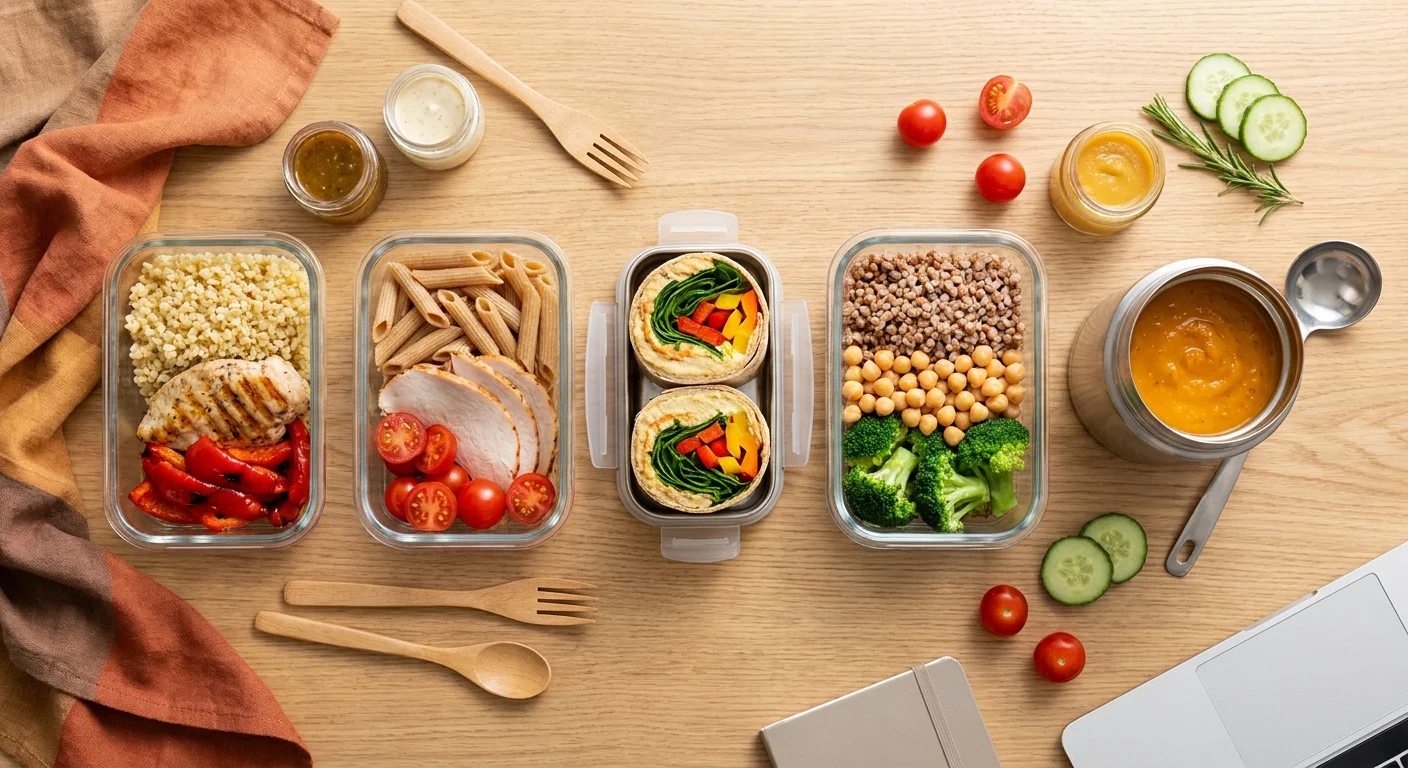
- Monday: bulgur, chicken, roasted pepper, and yogurt-mustard sauce.
- Tuesday: pasta, turkey, cherry tomatoes, spinach, and a bit of pesto.
- Wednesday: lavash roll with hummus, chicken, cucumber, carrot, and lettuce.
- Thursday: buckwheat, chickpeas, broccoli, and a soy-lemon sauce.
- Friday: autumn vegetable puree soup in a thermos, whole wheat bread, and cheese.
This weekly lunch menu is easy to adapt to the season, store discounts, and personal preferences. Don't strive for perfect variety: it's enough to alternate flavors and presentation styles.
How to Assemble Lunch in 10 Minutes in the Evening?
Quick assembly is possible if you don't cook a full new dish every day. In the evening, transfer part of the pre-cooked base into a container, add protein and vegetables, and put the sauce in a small jar. This really takes about ten minutes, especially if the ingredients are already washed, chopped, and placed in a visible spot in the fridge.
A useful habit is to cook one or two extra portions for dinner. Roasted chicken, stewed turkey, a side dish, or vegetables automatically become the basis for the next day. You don't have to take an exact copy of dinner to work: wrap the meat and vegetables in lavash, add a different sauce, or mix with grains.
To avoid forgetting ingredients, keep a separate list specifically for work lunches. In Pickt, it's convenient to create a shared shopping list in Telegram and not mix the lunchbox grocery list with the general family shopping. If two people are packing lunches, both can add depleted containers, fruits, grains, or sauces throughout the week.
Lunch Assembly Table
| Day | Lunch | What's Prepared from the Previous Dinner |
|---|---|---|
| Monday | Bulgur with chicken and vegetables | On Sunday, cook bulgur, roast chicken and pepper |
| Tuesday | Pasta with turkey and tomatoes | Boil pasta, roast or stew turkey |
| Wednesday | Lavash roll with hummus and chicken | Chop vegetables, save some cooked chicken |
| Thursday | Buckwheat with chickpeas and broccoli | Cook buckwheat, roast or quickly blanch broccoli |
| Friday | Soup in a thermos with bread and cheese | Cook soup on Thursday evening or use a frozen portion |
What to Do If There's No Microwave at Work?
Not having a microwave isn't a reason to switch to pastries and random snacks. Cold lunches can be filling if they include protein, complex carbs, and vegetables. Choose dishes that taste good straight from the fridge: grain salads, lavash rolls, pasta with vegetables, sandwiches, bento with chicken and cheese.
- Couscous with chickpeas, cucumber, tomatoes, and herbs.
- Lavash with turkey, cottage cheese, and lettuce.
- Pasta with chicken, arugula, and pesto sauce.
- Buckwheat salad with roasted vegetables and feta.
- DIY kit: whole wheat crackers, cheese, vegetables, hummus, and chicken.
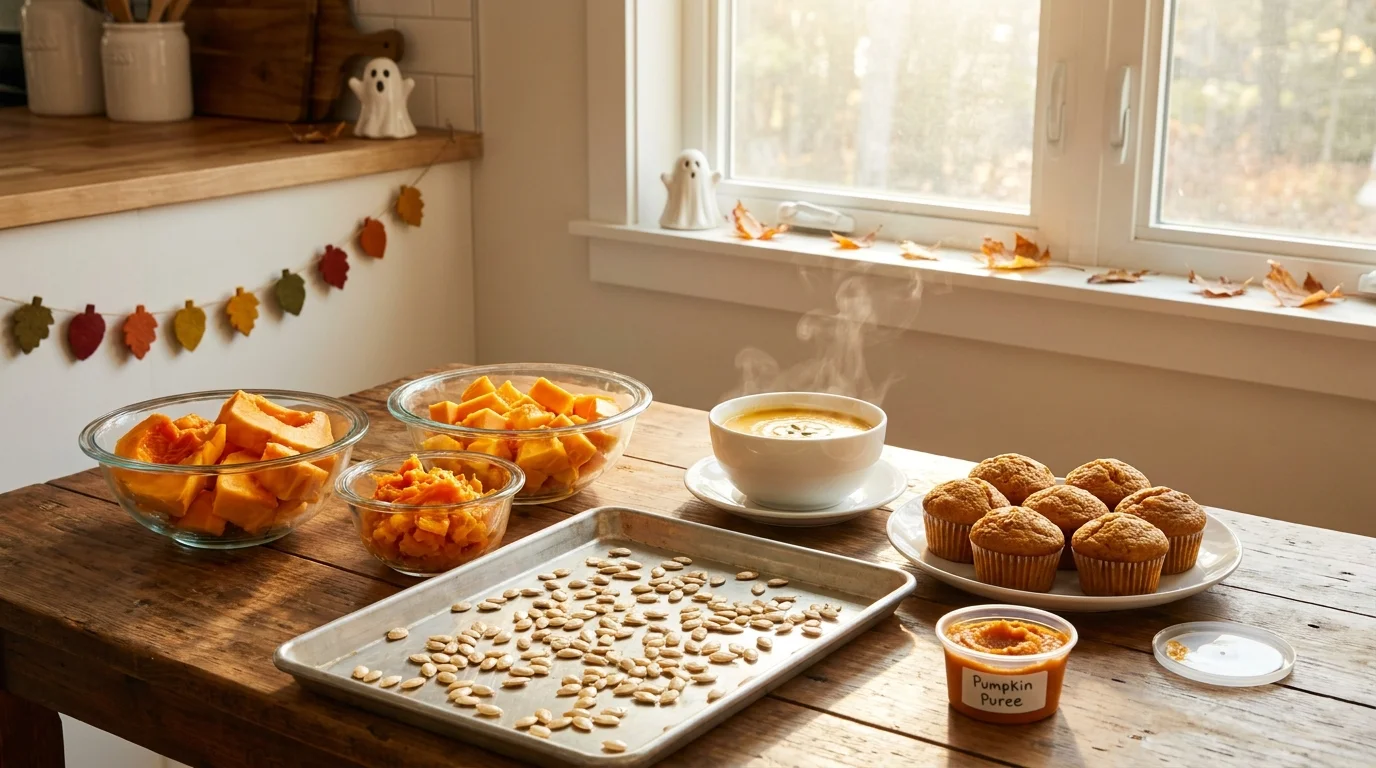
In autumn, a food thermos is especially helpful. Hot soup in a thermos is one of the most comforting options: lentil, chicken with vegetables, tomato with beans, or pumpkin cream soup. Before filling, rinse the thermos with boiling water, then pour in a very hot dish. This way, lunch stays warm until the lunch break.
Containers That Make Homemade Lunch Convenient
You don't need to buy an expensive set of accessories. Start with a few items that are actually used every day.
- Two or three airtight containers with a volume of about 700–1000 ml for main dishes.
- Small jars for sauces, nuts, and dressings.
- Food thermos for soup, porridge, or hot stew.
- Reusable cutlery and a napkin that are convenient to keep at work.
- Insulated lunch bag or a compact thermal case if there's no office fridge.
Label the containers or give them a dedicated shelf: this way they won't disappear into kitchen cabinets. Another practical trick is to keep a stock of crackers, tea, and cutlery in your desk drawer.
A Single Grocery List for a Week of Lunches
This set is designed for one person and covers five different work lunches. For two, simply multiply the main ingredients by two; sauces, spices, and oil usually don't need to be doubled exactly if you already have them at home.
- Chicken fillet or boneless thighs — about 600–700 g.
- Turkey fillet — about 300–400 g.
- Canned chickpeas — 1 can.
- Bulgur — 200 g.
- Buckwheat — 150–200 g.
- Pasta — 200 g.
- Whole wheat lavash — 1–2 sheets.
- Hummus — 1 small package.
- Broccoli — 1 package or a small head.
- Bell peppers — 2 pieces.
- Cucumbers — 2 pieces.
- Cherry tomatoes — 1 package.
- Carrots, salad greens, onions — to taste.
- Pumpkin or vegetable mix for soup — about 500–700 g.
- Hard or cottage cheese, plain yogurt.
- Bread or crackers, lemon, mustard, soy sauce, spices.
It's convenient to save this list in Pickt separately from household purchases: then you see exactly what's needed for lunches and don't buy extra. One evening of planning, basic prep, and clear containers give you not only savings on lunches but also a calm morning without last-minute decisions.