3-Day Meal Prep Grocery List
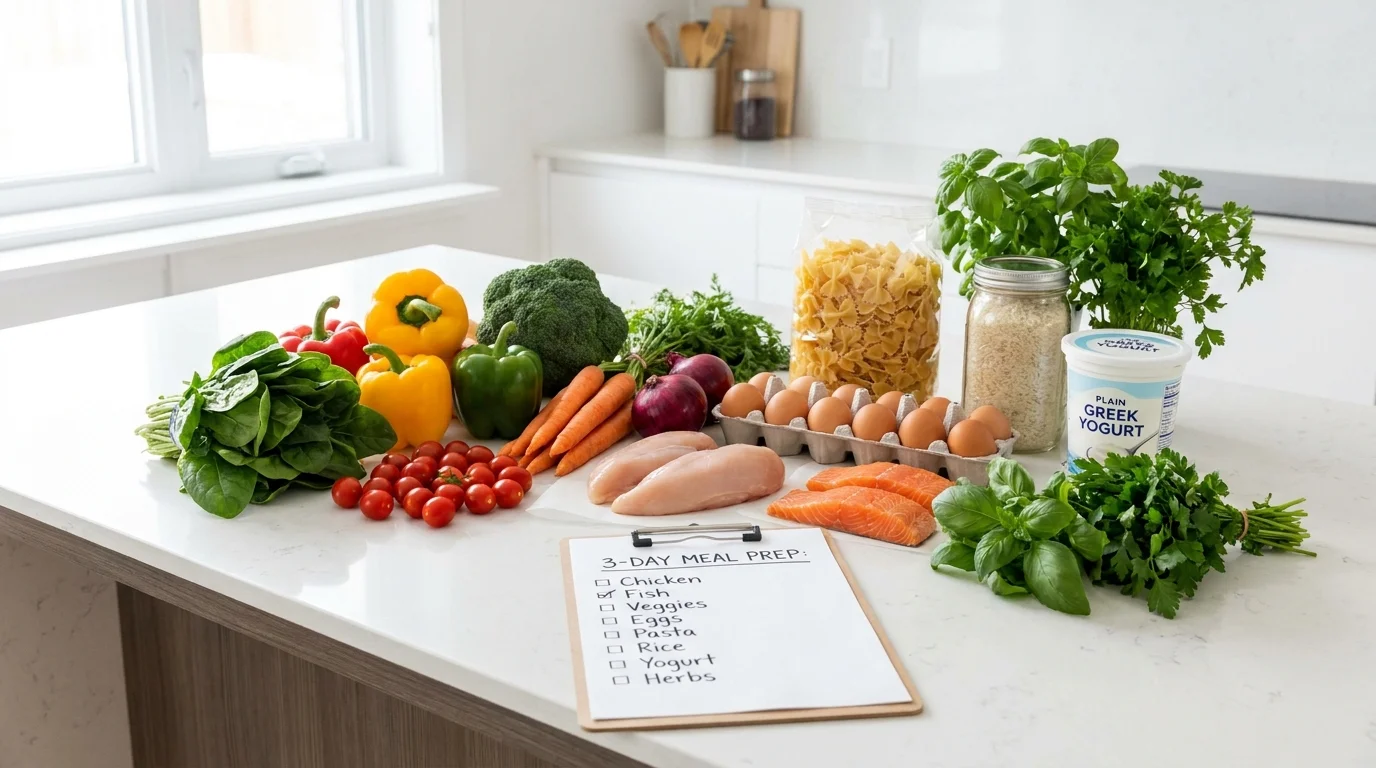
Here is a self-sufficient grocery list for cooking 3 days ahead for 2–4 people: grains and pasta, protein (chicken/fish/eggs/legumes), vegetables and herbs, fruits, dairy products, bread, basic sauces, and spices. It covers 3 dinners, 2–3 breakfasts and snacks, and leaves room for substitutions based on your budget and diet.
Below is a practical checklist: shop by sections, cook with a simple plan, forget nothing, and waste less. If you're shopping as a couple or a whole family, it's convenient to keep a shared list in Pickt (a mini-app in Telegram) — everything syncs in real time: t.me/PicktBot/app.
1) Quick 3-Day Meal Plan (to make the list precise)
This section helps you understand what you're buying for. The menu is specifically built from overlapping ingredients so you use everything up.
- Day 1: Oven-baked chicken with vegetables + salad.
- Day 2: Pasta with tomato sauce and tuna (or turkey) + vegetable platter.
- Day 3: Buckwheat/rice + fish (or legumes) + pan-fried vegetables.
Breakfast options: Omelet with vegetables, oatmeal with fruit, cottage cheese/yogurt with berries. Snacks: Fruit, nuts, cheese, crispbreads.
2) Vegetables, Herbs, and Fruits: The 3-Day Foundation
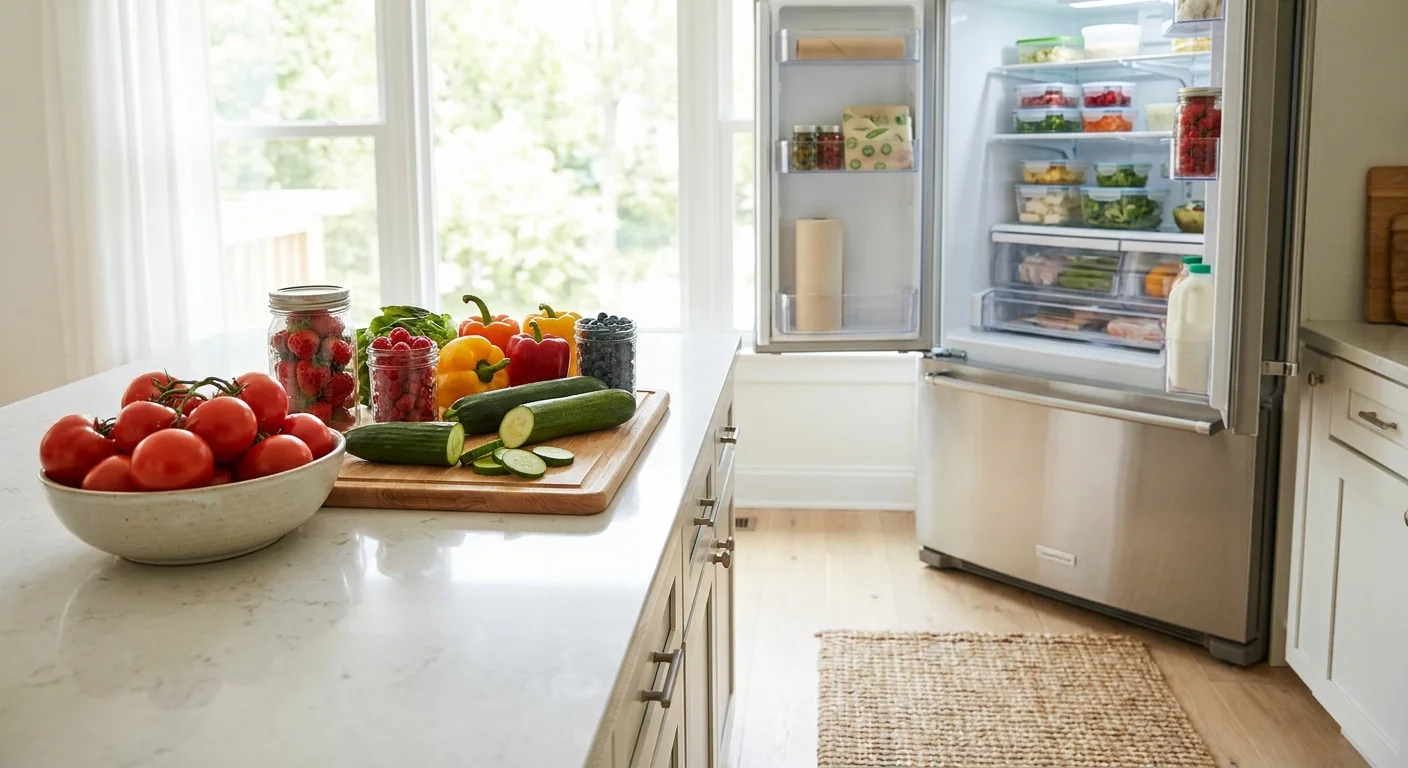
It's better to choose "versatile" vegetables: some will go into hot dishes, some into salads and snacks. This reduces the risk of anything going to waste.
- Onions — 3–4 pcs.
- Garlic — 1 head.
- Carrots — 3–4 pcs.
- Potatoes (optional) — 5–7 pcs.
- Tomatoes — 4–6 pcs. (or cherry tomatoes 400–500 g).
- Cucumbers — 3–4 pcs.
- Bell peppers — 2–3 pcs.
- Zucchini or eggplant — 1–2 pcs.
- Leafy greens or spinach — 1 pack.
- Herbs (dill/parsley/cilantro) — 1–2 bunches.
- Lemon — 1 pc. (for fish, salads, drinks).
- Fruits (apples/bananas/pears) — 6–10 pcs. total.
- Berries (fresh or frozen) — 300–400 g (for porridge/yogurt).
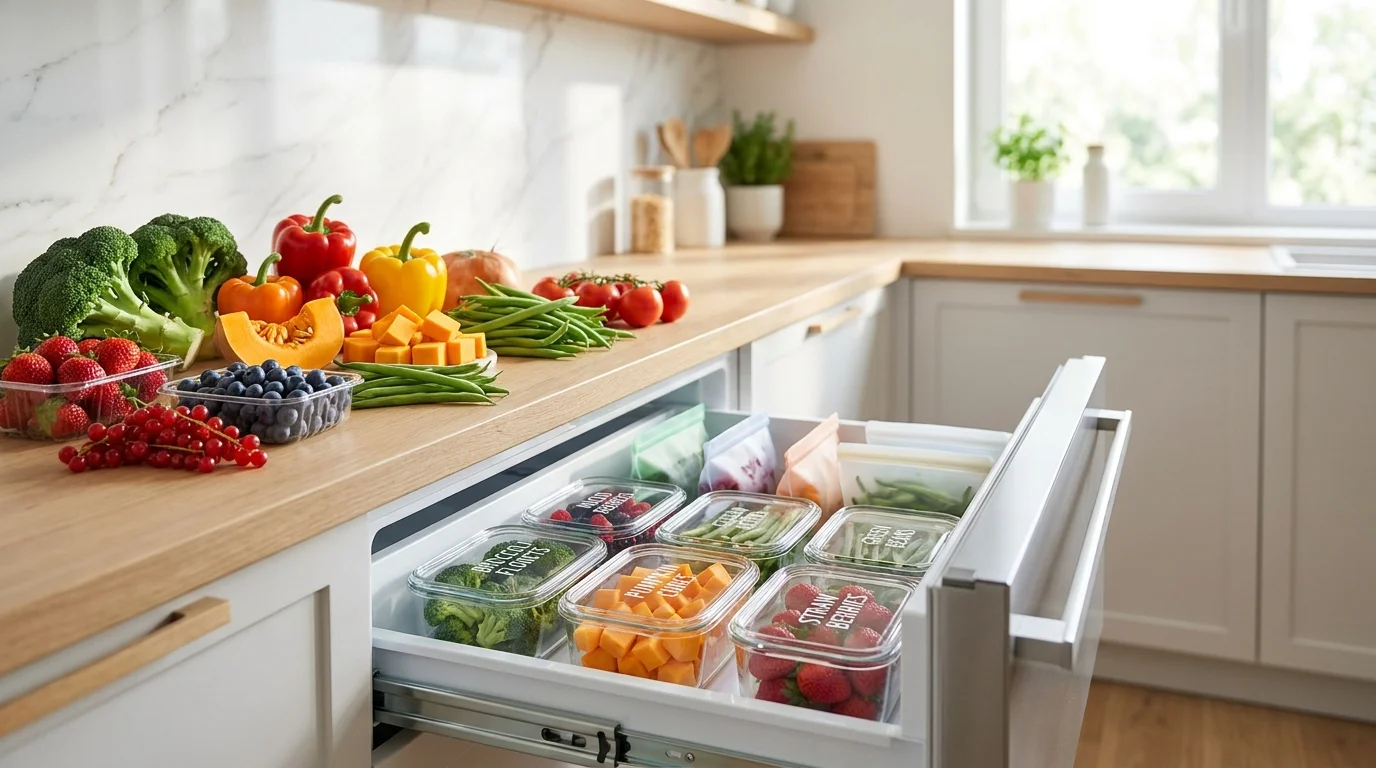
Money-saving tip: If your budget is tight, buy more seasonal vegetables and frozen mixes (broccoli/cauliflower/stir-fry vegetables) — they are often cheaper and last longer.
3) Protein for 3 Days: Meat, Fish, Eggs, and Plant-Based Options
Protein is the main "framework" of the menu. Choose 2–3 sources to avoid buying too much and overloading the fridge.
- Chicken (thigh/fillet) — 700–900 g.
- Fish (salmon/hake/cod) — 500–700 g.
- Canned tuna — 1–2 cans (for pasta/salad).
- Eggs — 10 pcs.
If you don't eat meat/fish: Replace with legumes and tofu — you'll get an equally effective grocery list for cooking 3 days ahead.
- Canned chickpeas/beans — 2 cans (or dried 300–400 g).
- Lentils — 300–400 g (cooks quickly).
- Tofu — 300–400 g (optional).
Mini rule: Plan for 150–200 g of meat/fish per person per dinner, or 70–90 g of dried legumes (per serving).
4) Grains, Pasta, Bread: Sides and "Quick" Calories
It's better to take 2–3 types of sides. This way, dishes don't repeat in flavor, and packages don't end up half-empty.
- Rice — 400–500 g.
- Buckwheat — 400–500 g.
- Pasta — 400–500 g.
- Oatmeal — 400–500 g.
- Bread or lavash/pita — 1–2 packs.
- Crispbreads (optional) — 1 pack.
Related searches often made together: "weekly grocery list," "what to buy for 3 days," "3-day meal plan for family." This set is easily scalable: just multiply the quantities by 2 and add one more protein source.
5) Dairy Products and Dressings: For Flavor Without Complicated Recipes
This section covers breakfasts, sauces, and quick snacks. Take only what you'll definitely use in 3 days.
- Milk — 1 L (or plant-based).
- Natural yogurt — 400–800 g.
- Cottage cheese — 300–500 g (optional).
- Cheese — 200–300 g.
- Sour cream or Greek yogurt — 200–300 g (for sauces/dressings).
- Butter — 150–200 g (if you use it).
- Olive/sunflower oil — 1 bottle.
- Tomato passata or canned tomatoes — 1–2 cans.
- Soy sauce — 1 bottle (for vegetable/rice dishes).
- Mustard or honey — 1 small jar (for dressings).
Quick salad dressing: oil + lemon + mustard + salt/pepper. Takes 30 seconds and saves you when you're short on time.
6) Spices, Freezer Items, and "Safety Net" Against Slip-Ups
This section makes cooking resilient: even if you're running late, dinner will still work out. And spices help prevent boredom with the same ingredients.
Basic Spices and Add-ons
- Salt, black pepper.
- Paprika, dried garlic, Italian herbs.
- Curry or khmeli-suneli (1 bright mix of your choice).
- Vinegar (apple/balsamic) — optional.
Freezer Items and "Quick" Products
- Frozen vegetables — 1 pack (in case fresh ones run out).
- Pelmeni/dumplings or ready-made patties — 1 pack (safety net for late evenings).
- Nuts — 150–200 g (snack and addition to porridge/salad).
How to avoid buying too much: Before heading to the store, check what you already have at home (oil, salt, grains). This is especially important for shared shopping — a common list in Pickt helps avoid duplicates when two people simultaneously grab "another pack of rice."
How to Tailor the List to Your Format: 2 People, Family, Budget Mode
This section is about adaptation. The same checklist works differently depending on the people and habits.
- For a couple: Reduce protein to 500–700 g for 3 dinners and buy less dairy (yogurt 400 g instead of 800 g).
- For a family with a child: Add more simple sides (rice/pasta) and fruits; make sauces mild (not spicy).
- Budget mode: Chicken + eggs + lentils instead of fish; more seasonal vegetables; frozen berries.
- If short on time: Buy pre-cut salads, frozen vegetables, and canned tuna — cooking speeds up 2–3 times.
Conclusion: Cook for 3 Days Easily and Without Chaos
A good grocery list for cooking 3 days ahead isn't about "buying a lot of everything," but about repeating versatile ingredients that combine into different dishes. Use a skeleton menu, shop by sections, and keep 1–2 "safety nets" in the freezer. And to keep the list shared and always up-to-date, it's convenient to manage it in Pickt right in Telegram.
Frequently Asked Questions
How much food do I need for 3 days for one person?
Aim for 400–600 g of vegetables per day, 120–180 g of protein per dinner, and 50–70 g of dry grains/pasta per serving. Buy fewer packages but add variety with spices and sauces.
How to make a 3-day grocery list so nothing goes to waste?
Plan 2–3 dishes with common ingredients (onions, carrots, tomatoes, herbs). Use perishables (salad, fish, berries) in the first 1–2 days, and save grains and canned goods for the end.
Can I stay within a minimal budget?
Yes: replace some fresh vegetables with frozen ones, fish with legumes, focus on eggs, chicken, grains, and seasonal products. Boost flavor with spices and a tomato base.
How to conveniently split purchases between two people?
Divide the list by sections: "vegetables," "meat/fish," "dairy," "dry goods." In a shared list, mark who is buying what to avoid duplicates; in Pickt, this is easy to do in a single shared list with real-time sync.