How to Use Leftovers: 10 Meals from What You Have
To understand how to use leftovers, you don't need complex recipes: choose a base (grains, pasta, bread, eggs), add vegetable/meat/cheese 'scraps', and bind everything with a sauce or broth. Below are 10 self-sufficient meal ideas from what you have that help reduce food waste and save time. Each item can be adapted to your leftovers and taste.
-
1) 'Clean Out the Fridge' Soup: Broth + Vegetable Trimmings
Collect leftover vegetables: herb stems, carrot pieces, onion, celery, tomatoes, some cabbage—anything that needs 'saving'. Quickly sauté onion/carrots, add water or broth, throw in grains or pasta, and finish with herbs and spices. This is one of the simplest answers to the question of how to use leftovers because soup forgives almost any combination.
Tip: If you have a bit of chicken, sausage, or beans, add them at the very end—it will be more filling without separate cooking.
-
2) 'A Little Bit of Everything' Stir-fry/Sauté in a Pan
Leftover zucchini, eggplant, peppers, potatoes, and tomatoes easily turn into a stew: chop, fry in batches, and simmer for 10–15 minutes with a spoonful of tomato paste or sauce. Finish with garlic, spices, and a pat of butter or a drizzle of olive oil—the flavor will come together. This is a great option if you're looking for leftover vegetable dishes without strict proportions.
Tip: Add leftover cooked meat/chicken at the very end to avoid drying it out.
-
3) Fried Rice/Bulgur/Quinoa: The Best Way to Use Yesterday's Side Dish
Yesterday's grains are an ideal base: they're drier and fry well. Heat a pan, add oil, onion/garlic, then the grains, leftover vegetables, and crack an egg—quick and filling. A sauce (soy, teriyaki, tomato, or just salt+pepper+lemon) will bind the flavors and make the dish cohesive.
Tip: If you have a piece of ham, chicken, or tofu, fry it separately and mix in at the end.
-
4) Frittata/'Pie' Omelet: Eggs Save Almost Everything
Eggs are the fastest answer to what to cook from leftovers: mix 4–6 eggs with milk/yogurt, add sautéed vegetables, pieces of sausage/chicken, and leftover cheese. Cook covered over low heat or bake for 10–15 minutes—you'll get a dense frittata that's easy to take on the go. Easily change the flavor with spices: paprika, Italian herbs, curry.
Tip: If you have boiled potatoes, slice and brown them—the frittata will be especially hearty.
-
5) 'Whatever's in the Fridge' Pasta: Sauce from Leftovers and a Little Pasta Water
Pasta saves the day when the fridge has a bit of everything: a piece of cheese, a spoonful of sour cream, leftover tomatoes, spinach, mushrooms, chicken. Make a quick sauce in a pan and add a couple of tablespoons of pasta water—it emulsifies and makes the sauce smooth. This way, you can easily cook dinner in 15 minutes and reduce food waste without feeling like you're 'finishing leftovers'.
Tip: Even 1–2 spoonfuls of pesto, adjika, or tomato paste can completely change the flavor.
-
6) Warm Salad/Bowl: Assemble a 'Builder' from Leftovers
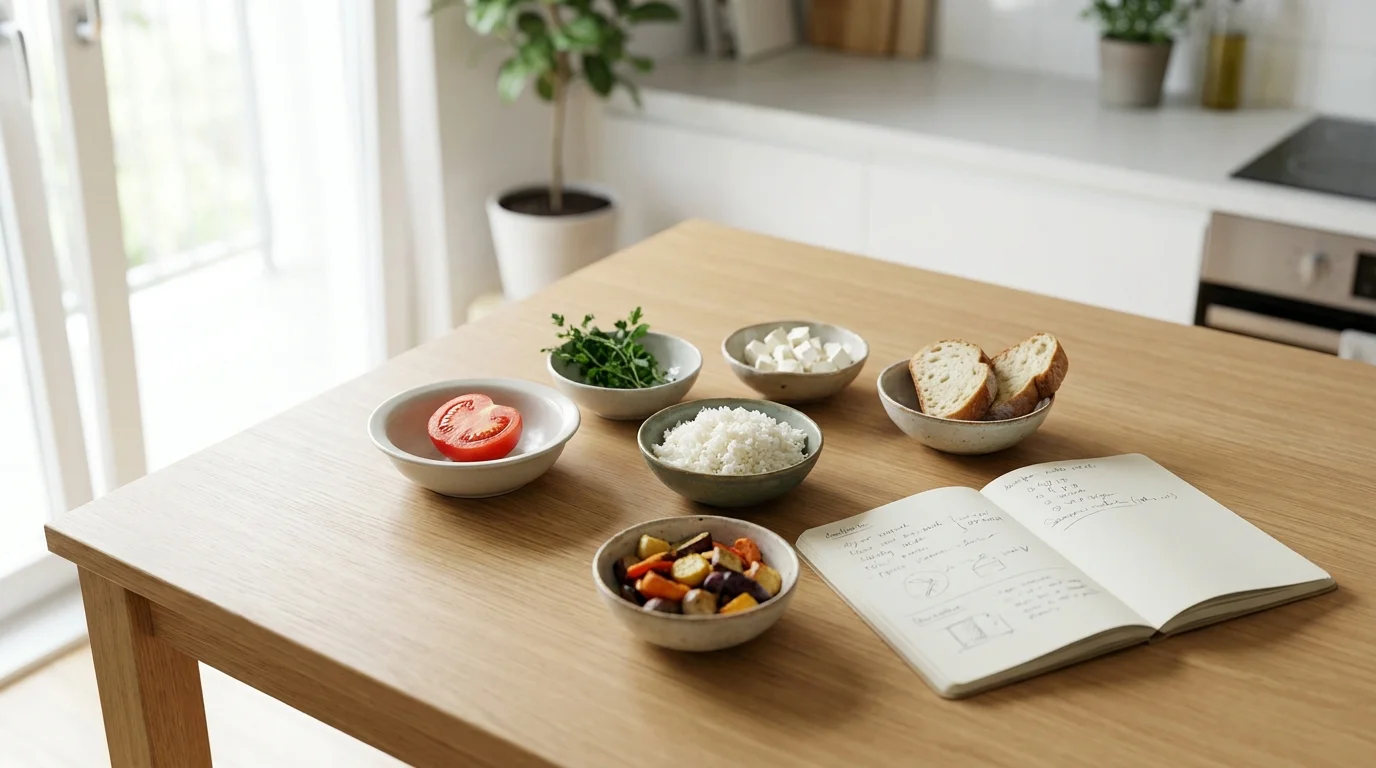
A bowl is a formula: base (rice/quinoa/salad greens), protein (egg, chicken, beans), vegetables (fresh and roasted), plus a sauce. Leftover roasted vegetables, yesterday's chicken, some cheese, olives, and herbs work great here. If you often cook 'a little bit of this and that', bowls help you systematically use leftovers without repeating yourself.
Tip: Keep 2–3 versatile sauces (yogurt+garlic, mustard+honey, soy+lemon)—they 'pull together' any components.
-
7) 'What's Left' Casserole: The Oven Deepens the Flavor
A casserole is perfect for leftover potatoes, pasta, rice, vegetables, meat, and cheese. Mix the base, add a custard (eggs+milk/cream/sour cream), top with cheese or breadcrumbs, and bake until golden brown. This is one of the most convenient ways to use leftovers when you need to feed several people without complicated cooking.
Tip: If you're out of cheese, breadcrumbs, sesame seeds, or just a drizzle of oil on top will create a crust.
-
8) Sandwiches, Toasts, and Bruschetta: Leftovers Turn into 'Snacks'
Toast some bread, add a spread (cream cheese, hummus, pâté, even thick salted yogurt), then top with leftover vegetables, meat, fish, or cheese. This is an ideal format for 'scraps': a couple of cucumber slices, half a tomato, a piece of chicken, some herbs. This way, you quickly prepare breakfast or a snack and don't throw away food because of small amounts.
Tip: If the bread is stale, make croutons or crackers—they're great in salads and soups.
-
9) Quick Homemade Pizza/Flatbread: Everything You Have Goes into the Filling
The base can be anything: lavash, tortilla, pita, ready-made dough, or even bread. Spread with tomato sauce/ketchup/sour cream with garlic, arrange leftover sausage, chicken, mushrooms, vegetables, and sprinkle with cheese. 8–12 minutes in the oven—and you have a leftover meal that feels like proper 'homemade fast food'.
Tip: If you have little cheese, add a thin layer of breadcrumbs or sesame seeds on top—it will be crunchy and give a 'baked' feel.
-
10) Freezing for the Future: Semi-finished Products from Leftovers Without Stress
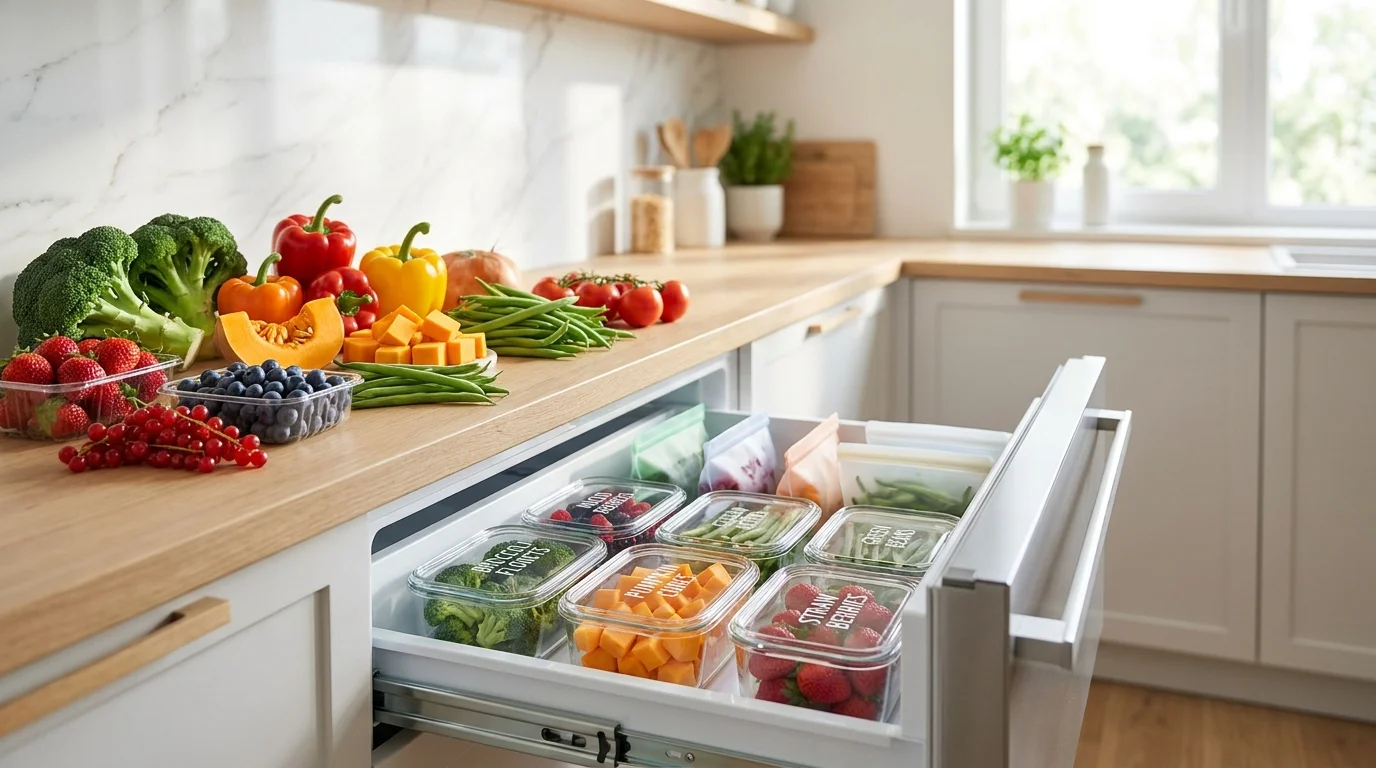
Not everything needs to be cooked right away: turn leftover herbs into pesto or freeze them in oil cubes, portion out broth into containers, slice bread, and put vegetable trimmings in a 'broth bag'. This approach helps you regularly use leftovers and avoid accumulating 'questionable' containers in the fridge. It also makes planning easier: you know in advance what you can quickly grab and add to soup, pasta, or stew.
Tip: Label bags with the date and contents—then you'll actually use them instead of finding 'something unknown' a month later.
How to Organize Leftovers So They Don't Go to Waste (Mini Checklist)
A simple system works: designate one shelf/container 'Eat First' and keep open products and ready-made dishes there. Every 2–3 days, do a quick review and choose 1–2 ideas from the list above for your current leftovers. If you share a household with a partner, family, or roommates, it's convenient to keep a shared list of what's running out and what's already available in Pickt—a mini-app in Telegram with real-time synchronization (t.me/PicktBot/app).
Frequently Asked Questions
-
How do I know if leftovers are still safe to eat?
Rely on smell, taste (if the product is safe to sample), appearance, and shelf life after opening. Ready-made dishes are usually best eaten within 2–3 days when stored in the refrigerator, and don't try to 'save' questionable products with heat treatment. If there are signs of spoilage (slime, mold, strong odor), throw them away without regret.
-
What to cook from leftovers when there's almost no time?
The fastest options are omelet/frittata, fried rice (or any grain), toasts/bruschetta, and pasta with a quick sauce. They easily use small portions of ingredients, and the result is tasty without precise recipes.
-
How to reduce food waste in a family where everyone eats different things?
Cook 'modularly': base separately (grains/pasta), vegetables separately, protein separately, and 1–2 sauces—everyone can assemble their own plate. Leftovers are easier to combine when they aren't mixed in one pot. To coordinate purchases and leftovers among household members, you can keep a shared list in Pickt to avoid buying too much and plan meals from what you have more quickly.
-
What products are most often left over and how to use them?
The most common leftovers are side dishes, bread, herbs, cheese, half vegetables, and cooked meat/chicken. It's best to fry or bake side dishes, dry bread into croutons, freeze herbs or make sauces, add cheese to omelets and casseroles, and put vegetables in soups and stews.
Conclusion. If your goal is to understand how to use leftovers without boring 'finishing up', keep 3 builders in mind: soup, a pan (frying/stewing), and an oven (casserole/pizza). Add eggs, sauce, and grains to them—and almost any leftovers turn into full-fledged meals from what you have.