Student life often looks like this: studying, part-time work, deadlines — and suddenly an empty fridge. To avoid spending money on spontaneous snacks and deliveries, a pre-made student shopping list helps.
Below is a basic set of essentials that covers simple breakfasts, lunches, and dinners, plus household necessities. Everything is designed so that student groceries are affordable, have a long shelf life, and go well together.
The main idea: keep a "skeleton" of grains, protein, and basic vegetables at home, and buy the rest as needed. This way, budget shopping becomes a habit, not a one-time attempt to "save money."
How to Create a Budget-Friendly Student Shopping List
Start with three questions: how many days you plan to cook, how many meals you'll eat at home, and what your weekly budget is. Even a rough estimate already reduces unnecessary spending.
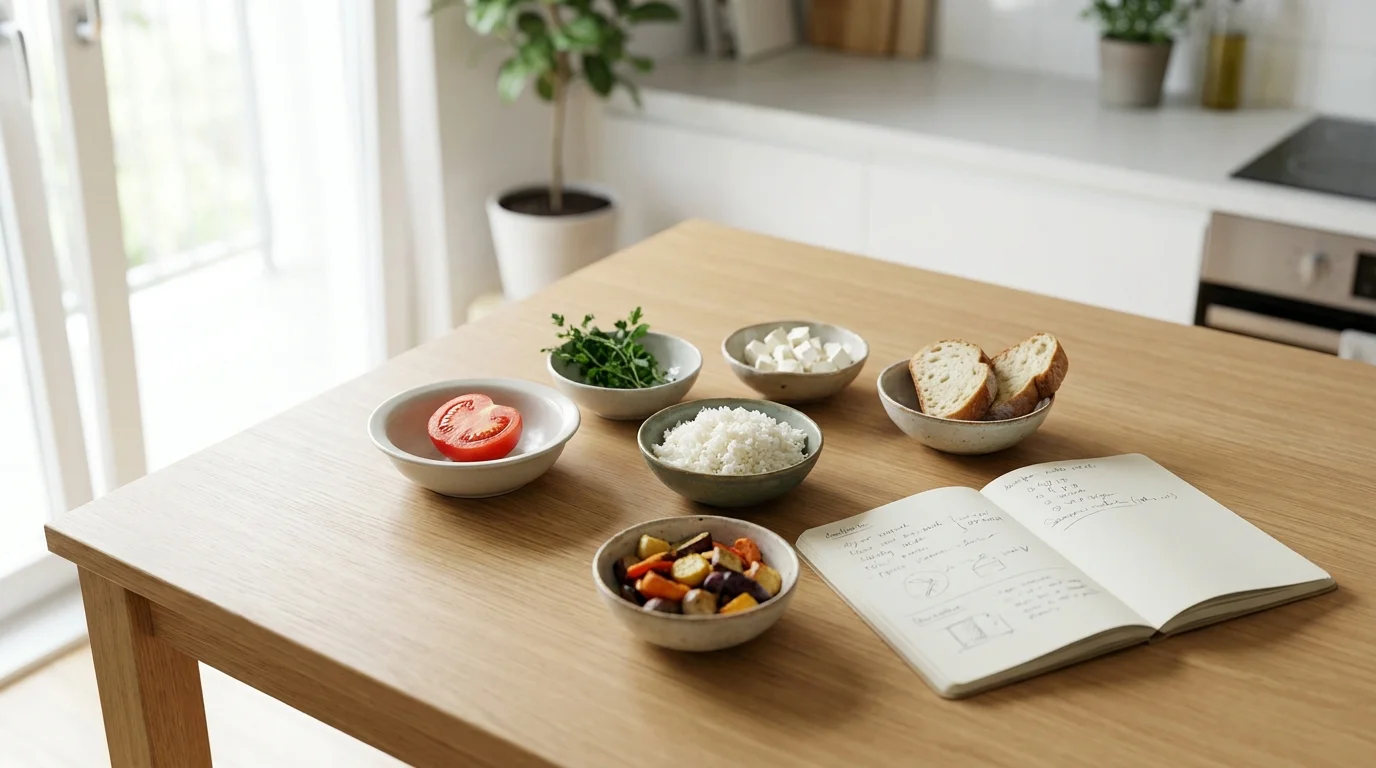
Next, choose foods that can be combined. For example, rice + eggs + frozen vegetables = a quick dinner, and oatmeal + banana = a no-cook breakfast.
Another rule: pick 1–2 "quick" options for busy times (dumplings, canned tuna, ready-made beans). This is cheaper than ordering food when you don't have the energy to cook.
Student Groceries: Base for 7–10 Days
This set is a foundation you can easily adapt to your diet. If you don't eat meat, replace it with legumes, eggs, cottage cheese, or fish.
Try to buy items that store well: grains, frozen foods, canned goods. Buy fresh produce in small portions to avoid waste.
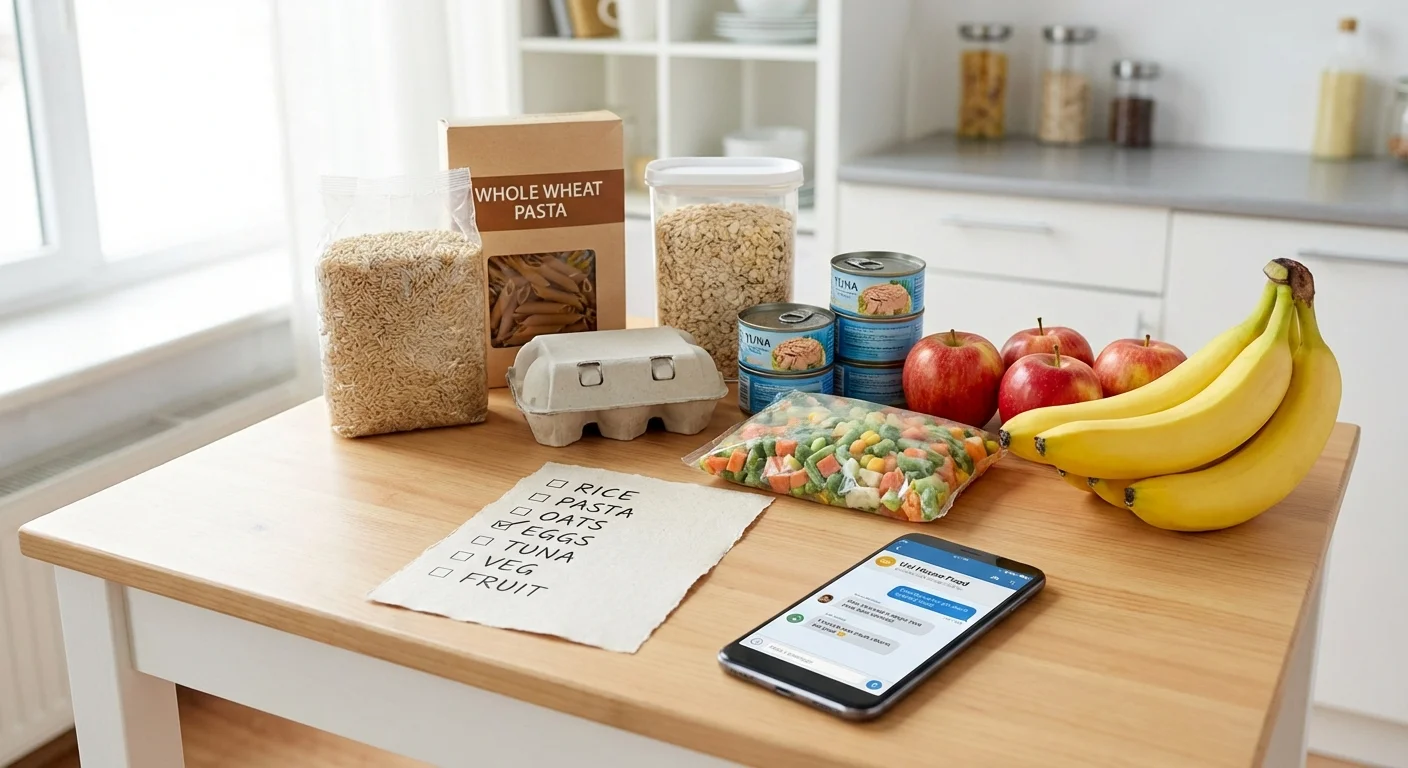
- Grains and Sides: rice, buckwheat, pasta, oatmeal, bulgur/couscous (optional).
- Protein: eggs, chicken (thigh/fillet), ground meat, canned goods (tuna/sardines), beans/chickpeas, cottage cheese.
- Vegetables and Fruits: carrots, onions, cabbage, cucumbers/tomatoes (seasonal), apples, bananas, lemon.
- Dairy: milk/kefir, plain yogurt, cheese (a small piece).
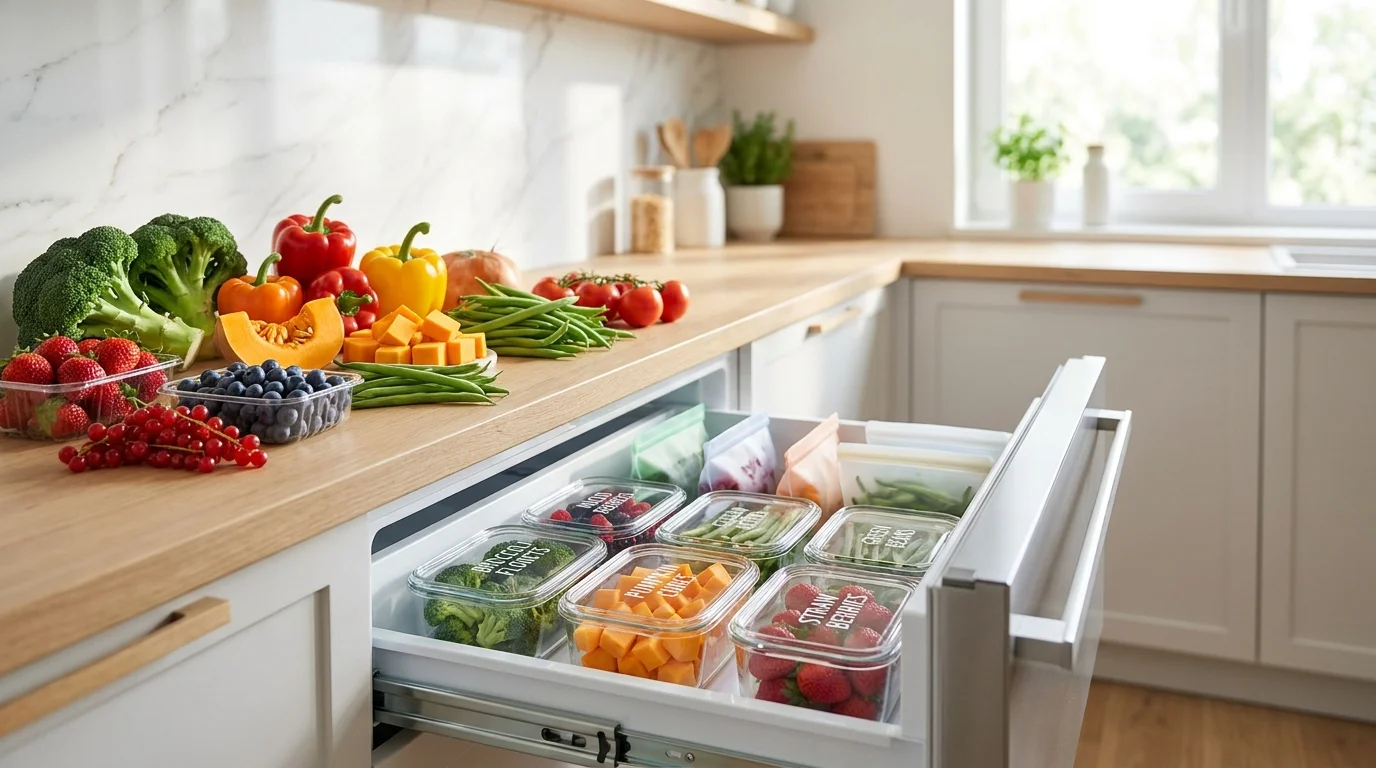
- Frozen: vegetable mix, berries (if you make porridge/smoothies), dumplings/vareniki as a "backup."
- Bread and Snacks: bread/pita, peanut butter or hummus, nuts (a small pack), dried fruit.
If you need it even cheaper, focus on seasonal vegetables, grains, and legumes. Save cheese, fish, and sweets as occasional additions.
"Budget Shopping" Checklist for the Supermarket
The same student shopping list can cost differently depending on your habits in the store. This checklist helps you stick to the plan and avoid impulse buys.
- Go to the store full and with a specific amount/limit.
- Compare the price per 100g/1kg, not the "discount on the package."
- Buy grains and pasta in larger packages if you'll definitely eat them.
- Choose seasonal vegetables and fruits — they're noticeably cheaper.
- Frozen items are often more cost-effective than "fresh" if you don't cook every day.
- Be cautious with drinks, snacks, and sweets: they quietly eat up your budget.
A useful habit is to leave 1–2 items on the list for "something tasty." This reduces the chance of splurging on unnecessary things.
Simple Meal Ideas from the Basic Set
To prevent student groceries from sitting unused, it's important to have 5–7 quick "go-to" meals. They don't require rare ingredients and take 10–25 minutes to prepare.
1) Oatmeal with Banana and Nuts. Suitable for breakfast, can be made with milk or water. If you have frozen berries, add them for flavor.
2) Buckwheat + Chicken + Salad. Bake the chicken for 2–3 days at once or fry it in portions. Salad — cabbage/cucumbers/tomatoes, depending on the season.
3) Rice with Egg and Frozen Vegetables. Almost like a "student stir-fry": fry the vegetables, add rice and egg. Soy sauce optional.
4) Pasta with Tuna and Onion. Canned tuna + onion + a bit of oil/sauce — and you have a full dinner. You can add tomatoes or frozen vegetables.
5) Base Soup for the Week. Onion + carrots + potatoes/grains + chicken or beans. Soup is convenient to portion into containers and take with you.
If you often study late, keep "quick protein" at home: eggs, cottage cheese, beans. This helps avoid snacking on cookies and instant noodles.
What Else to Buy: Household Essentials and First Aid Kit
A student shopping list isn't just about food. Household essentials run out suddenly, usually at the most inconvenient time.
Put together a mini-kit that covers everyday tasks and doesn't take up much space in your room or dorm.
- For the Kitchen: sponges, dish soap, trash bags, containers or zip-lock bags.
- For Laundry and Cleaning: detergent/pods, all-purpose cleaner, wipes/cloths.
- Personal Hygiene: toothpaste, toothbrush, shampoo, soap, deodorant.
- Mini First Aid Kit: band-aids, antiseptic, fever reducer, cold medicine (as needed).
It's better to restock these budget purchases once a month to avoid running to the store for one small item.
Conclusion
A good student shopping list isn't a "perfect diet" but a clear system. A base of grains, protein, vegetables, and a couple of quick options helps you eat decently even during busy weeks.
Assemble your starter kit, save it, and update it based on reality: what runs out faster, what you don't like, what's more cost-effective seasonally. This way, student groceries will work for you, not turn into unnecessary expenses.
If you shop with roommates or share expenses, it's convenient to keep a shared list in Pickt — a free mini-app in Telegram with collaborative lists and real-time sync: t.me/PicktBot/app.