Healthy Grocery Shopping List: What to Buy for a Healthy Lifestyle Without Overspending
Healthy eating doesn't start with motivation, but with a clear plan. When you know in advance what healthy food items you need for the week, you spend less time in the store and are less likely to automatically grab 'something for tea'.
This article contains a healthy eating list by category, tips for creating a menu, and a handy checklist. It's suitable both for beginners and for those who want to bring order to their usual diet.
The main idea is simple: we buy basic products from which it's easy to assemble breakfast, lunch, dinner, and snacks. Then a healthy lifestyle doesn't turn into a complicated project, but becomes the norm.
How to Create a Healthy Eating List: 3 Steps Before Going to the Store
For a healthy eating shopping list to work, it must be based on real dishes that you will actually cook. Otherwise, even the healthiest products will remain in the fridge 'for later'.
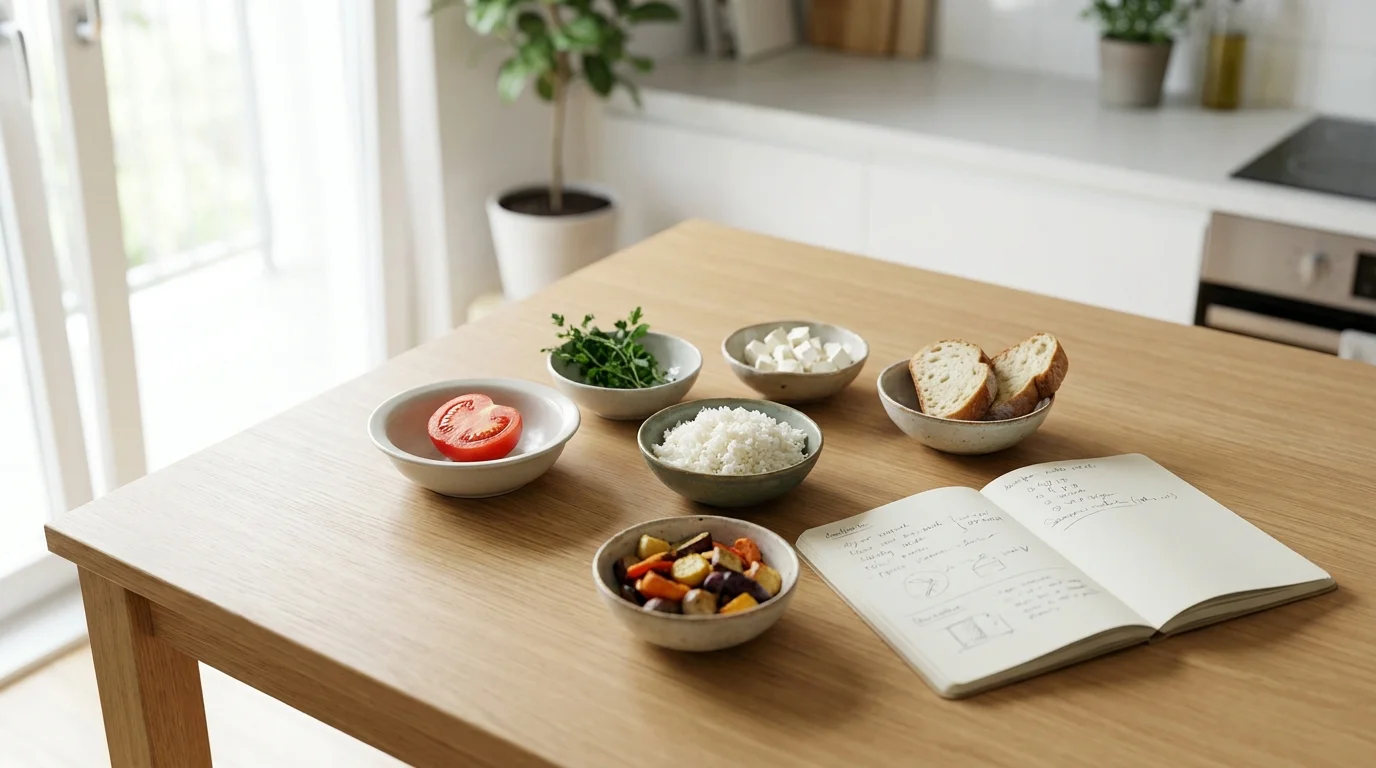
Step 1: Choose 6–10 simple dishes for the week. For example: oatmeal and eggs for breakfast, salad + grain + protein for lunch, fish/chicken + vegetables for dinner. Don't overcomplicate it: the simpler, the more sustainable the habit.
Step 2: Identify sources of protein, fiber, and 'slow' carbohydrates. Protein provides satiety, vegetables and greens provide volume and vitamins, grains and legumes provide energy without sharp spikes.
Step 3: Add snacks and 'insurance'. Unsweetened yogurt, fruits, nuts, hummus, or cottage cheese help prevent cravings for sweets when there's no time to cook.
Healthy Eating Product Base: A Universal List by Category
Below is a basic set from which it's easy to build a diet for 5–7 days. This is not a 'strict diet', but a working foundation: you can swap items according to your taste, budget, and season.
1) Protein
- Chicken/turkey (breast, skinless thigh)
- Fish (hake, cod, salmon within budget), seafood
- Eggs
- Cottage cheese 2–5%, unsweetened Greek yogurt, kefir
- Legumes: lentils, chickpeas, beans (dry or canned without unnecessary additives)
- Tofu (if you like plant-based options)
Tip: keep 2–3 types of protein per week. This way meals don't get boring, and cooking is easier.
2) Vegetables, Greens, Fiber
- Cucumbers, tomatoes, bell peppers
- Cabbage (white cabbage, broccoli, cauliflower), zucchini
- Carrots, beets, onions, garlic
- Leafy greens: lettuce, spinach, arugula
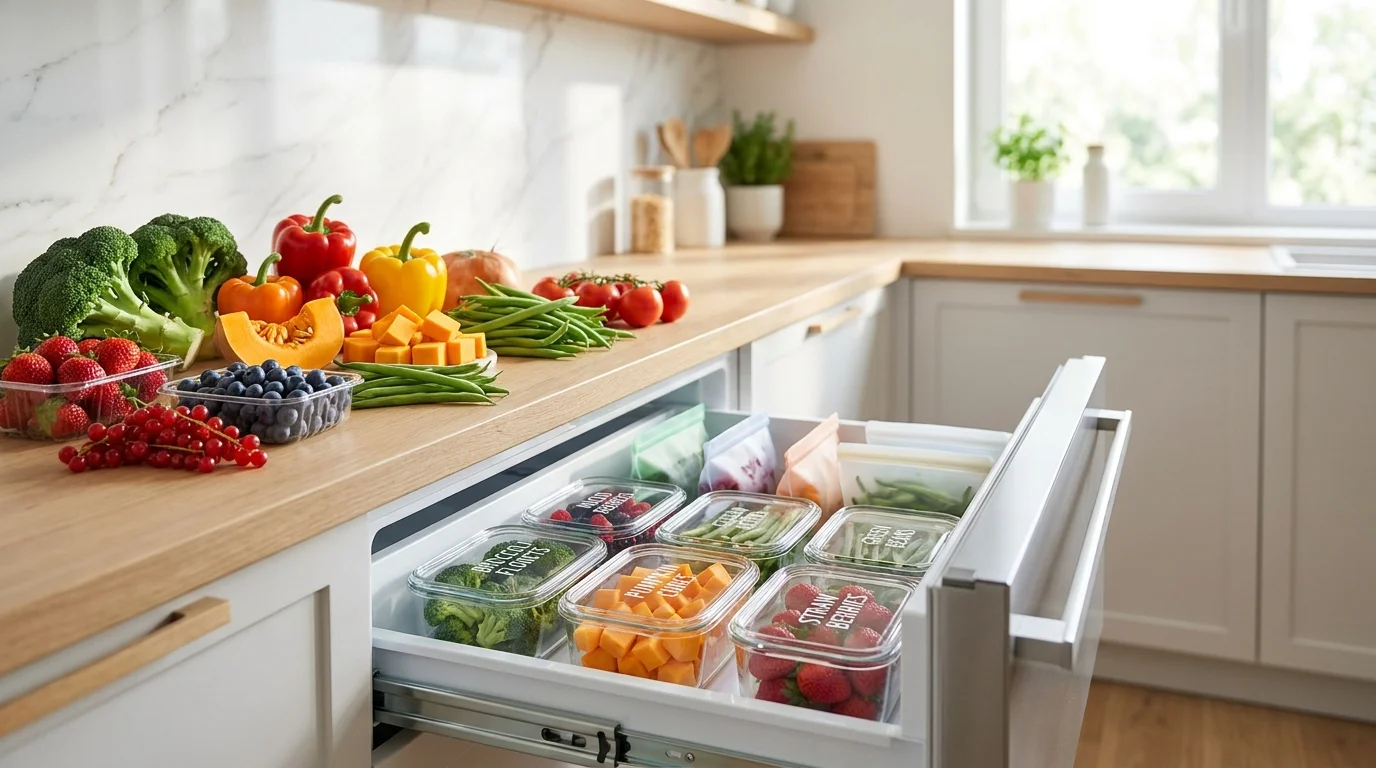
- Frozen vegetable mixes (for 'no time' situations)
Vegetables are the foundation of a full plate. The easier they are to use (chop, bake, use frozen), the more often they'll be in your diet.
3) 'Slow' Carbohydrates
- Oatmeal (whole grain/steel-cut)
- Buckwheat, brown rice, bulgur, quinoa
- Whole grain bread/pita (with a short ingredient list)
- Potatoes/sweet potatoes (better baked than fried)
If the goal is weight control and stable energy, choose grains and whole foods more often than pastries and sweets.
4) Healthy Fats
- Olive/flaxseed oil
- Avocado
- Nuts and seeds (almonds, walnuts, pumpkin seeds)
- Fatty fish 1–2 times a week
Fats are important for hormonal balance and taste. Just keep portions moderate: it's easy to overdo nuts.
5) Fruits and Berries
- Apples, bananas, citrus fruits
- Seasonal fruits
- Frozen berries for porridge, yogurt, smoothies
Fruits are convenient as a snack and the 'sweet' part of the day without extra desserts.
6) Drinks and 'Flavor Enhancers'
- Water, mineral water
- Tea, coffee (without syrups)
- Spices: paprika, curry, garlic, pepper, Italian herbs
- Sauces with a clear ingredient list: tomatoes in their own juice, mustard, soy sauce (in moderation)
Flavor is what keeps you on track with healthy eating. Spices and simple sauces help cook varied meals without extra sugar and fat.
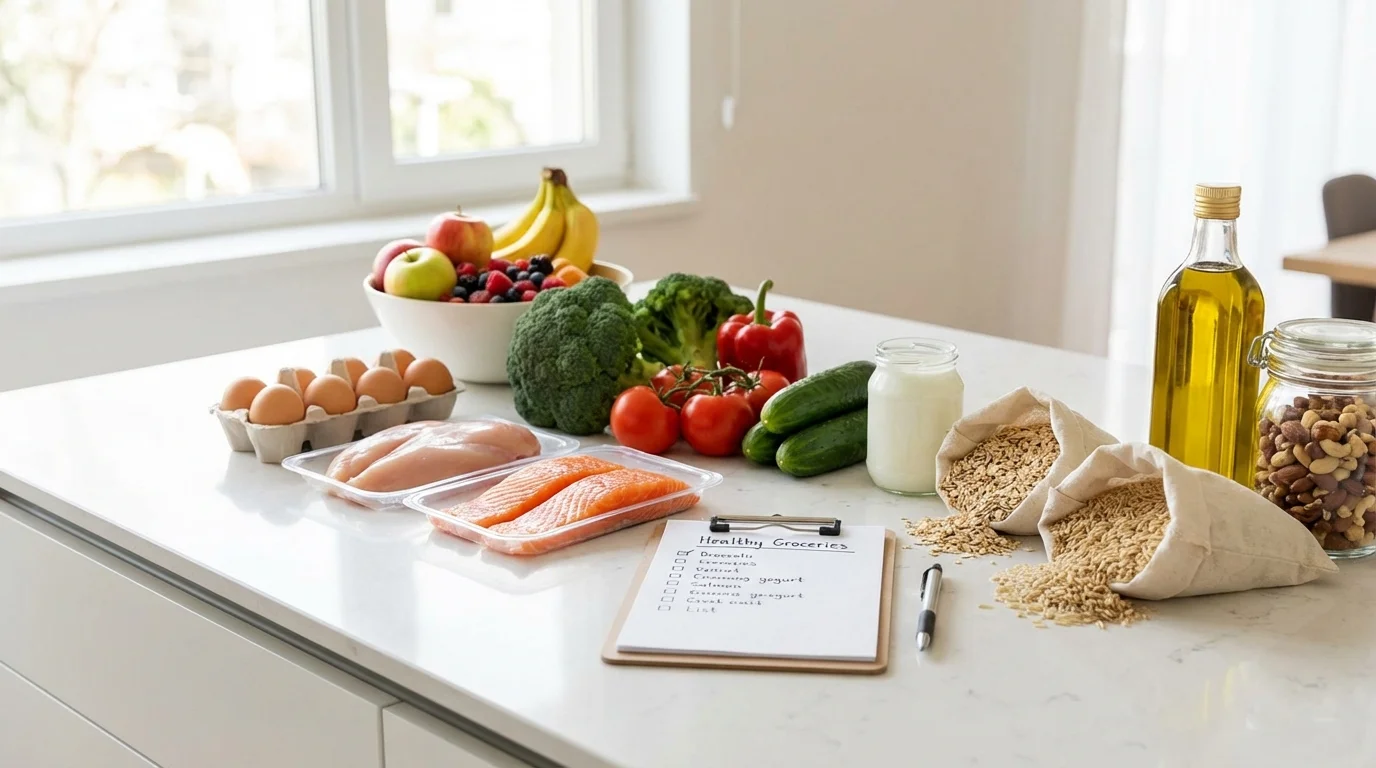
'What to Buy for a Healthy Lifestyle' Weekly Checklist (Example)
If you don't want to create a list from scratch, take this template and adapt it for yourself. It covers basic needs and suits most diets.
- Protein: chicken/turkey (1–1.5 kg), fish (600–900 g), eggs (10 pcs), cottage cheese (2–3 packs), unsweetened yogurt (2–4 pcs)
- Grains/Carbs: buckwheat, rice/bulgur, oatmeal, whole grain bread/pita
- Vegetables: broccoli/cauliflower, cucumbers, tomatoes, carrots, onions, greens, frozen mix
- Fruits/Berries: apples, bananas, seasonal fruits, frozen berries
- Fats: olive oil, nuts/seeds, avocado (optional)
- Additional: lemon, garlic, spices, tomatoes in their own juice
You can keep this healthy eating list as a base and swap items: chicken for turkey, rice for quinoa, broccoli for green beans.
How to Avoid Temptation in the Store: Practical Rules for Consistent Healthy Eating
Even a perfect list doesn't help if shopping turns into chaos. A few simple rules help you stay on course without strict restrictions.
Eat before going to the store. Hunger sharply increases the chance of grabbing sweets, pastries, and 'quick' snacks.
Shop the perimeter. Usually, that's where the basic products are: vegetables, meat, dairy, eggs. The central aisles have more ultra-processed goods.
Read the ingredient list, not the promises on the packaging. 'Fitness', 'natural', 'sugar-free' don't always mean a good formula. The shorter and clearer the ingredient list, the easier it is to control your diet.
Plan 1–2 quick meals. For example, frozen vegetables + eggs, cottage cheese + berries, fish + salad. This reduces the risk of ordering fast food when you're too tired to cook.
Simple Meal Ideas from the List: So Products Don't Sit Around
Healthy eating becomes easier when you understand in advance how to use what you've bought. Here are a few combinations that come together in 10–25 minutes.
- Breakfast: oatmeal + berries + yogurt; vegetable and herb omelet; cottage cheese + banana + nuts
- Lunch: buckwheat/rice + chicken + salad; lentils with vegetables and spices; pita with turkey and vegetables
- Dinner: oven-baked fish + broccoli; roasted vegetables + chickpeas; large salad + eggs/tofu
- Snack: apple + handful of nuts; unsweetened yogurt; vegetables with hummus
If you cook for 2 days ahead (grain + protein + vegetables), the shopping list works even better: fewer decisions — fewer slip-ups.
Conclusion. A healthy eating shopping list is not about restrictions, but about convenience. When healthy food items are sorted by category and you know what to cook with them, healthy habits last longer and require less willpower.
To always have the list at hand and not lose it among notes, it's convenient to keep it in Pickt — a free mini-app in Telegram for shared shopping lists with real-time synchronization: t.me/PicktBot/app. It's especially helpful when shopping for the family or splitting purchases with a partner.