Food prices change not only due to sales but also due to the season. When local harvest appears in markets and stores, the cost drops, and the taste becomes brighter. If you focus on seasonality, you can significantly reduce your bill while eating more varied.
In this article, we'll break down which seasonal vegetables and fruits are more profitable to buy at different times of the year, how to choose and store them, and what to do if the product you need is "out of season." There will be lots of specifics and a small checklist for planning.
Why Seasonality Affects Price
The main rule is simple: the closer the product is to its place and time of harvest, the cheaper it is. Local seasonal products don't require long logistics, storage in refrigerators, or complex packaging.
When the season ends, imported supplies or greenhouse options remain on the shelves. They are often more expensive due to transportation, storage losses, and higher cultivation costs.
To navigate, keep three markers in mind: "local harvest," "peak supply," and "short logistics." During these periods, it's easiest to find cheap seasonal products without hunting for discounts.
Calendar: When to Buy Fruits Cheaper
The query "when to buy fruits" usually concerns two points: price and taste. In season, they coincide—the sweetest and most aromatic fruits are almost always cheaper.
Below is a guideline by month for most regions of Russia (a shift of 2–4 weeks is possible depending on weather and region).
- January–March: citrus fruits (oranges, tangerines, grapefruits), apples from storage. Bananas often stay in a stable segment, but it's more profitable to buy them in bunches.
- April–May: leftover apples, the first berries and stone fruits are usually still expensive. During this time, it's more profitable to buy frozen or focus on citrus fruits and apples.
- June: strawberries (often cheaper at the end of the month), cherries (peak price is usually at the start of the season), apricots closer to the middle/end of the month.
- July–August: the most "tasty" period: peaches, nectarines, apricots, watermelons, melons, raspberries, currants. In August, prices for early grape varieties often drop.
- September–October: new harvest apples, pears, plums, late grapes. This is the time when the fruit basket can be the most budget-friendly.
- November–December: persimmons, pomegranates, citrus fruits (the selection expands by December). Berries and stone fruits usually become noticeably more expensive.
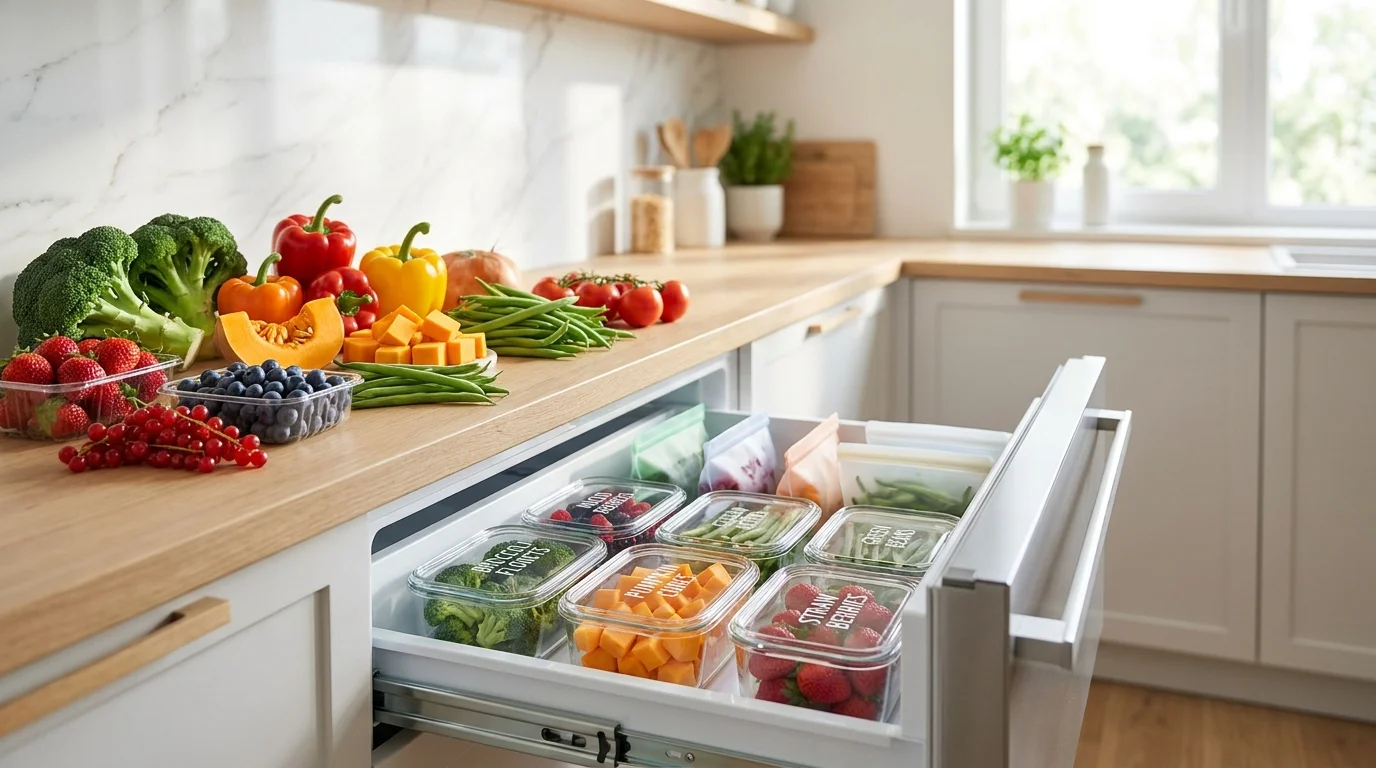
Practice: if you want to save without losing quality, buy fruits "at their peak," and freeze some in portions (berries, sliced peaches, apricots). This is especially convenient for smoothies, porridge, and baking.
Seasonal Vegetables: What and Which Month to Buy More Profitably
Seasonal vegetables are the foundation of an economical grocery basket. In season, they are not only cheaper but also simpler in composition: less chance of getting a "plastic" taste that can come with distant supplies.
Guideline by groups:
- Year-round with a good price: cabbage, carrots, beets, onions, potatoes (but storage quality may decline in spring, so it's better to buy less and more often).
- May–June: radishes, greens, young cabbage, first cucumbers and tomatoes (usually more expensive at the start of the season, but prices drop by June).
- July–September: cucumbers, tomatoes, zucchini, eggplants, peppers, corn, greens. In August–September, prices are often the lowest and the taste is the best.
- September–November: pumpkin, cauliflower, broccoli (often more profitable in season), new harvest root vegetables. An excellent time for preserves and freezing.
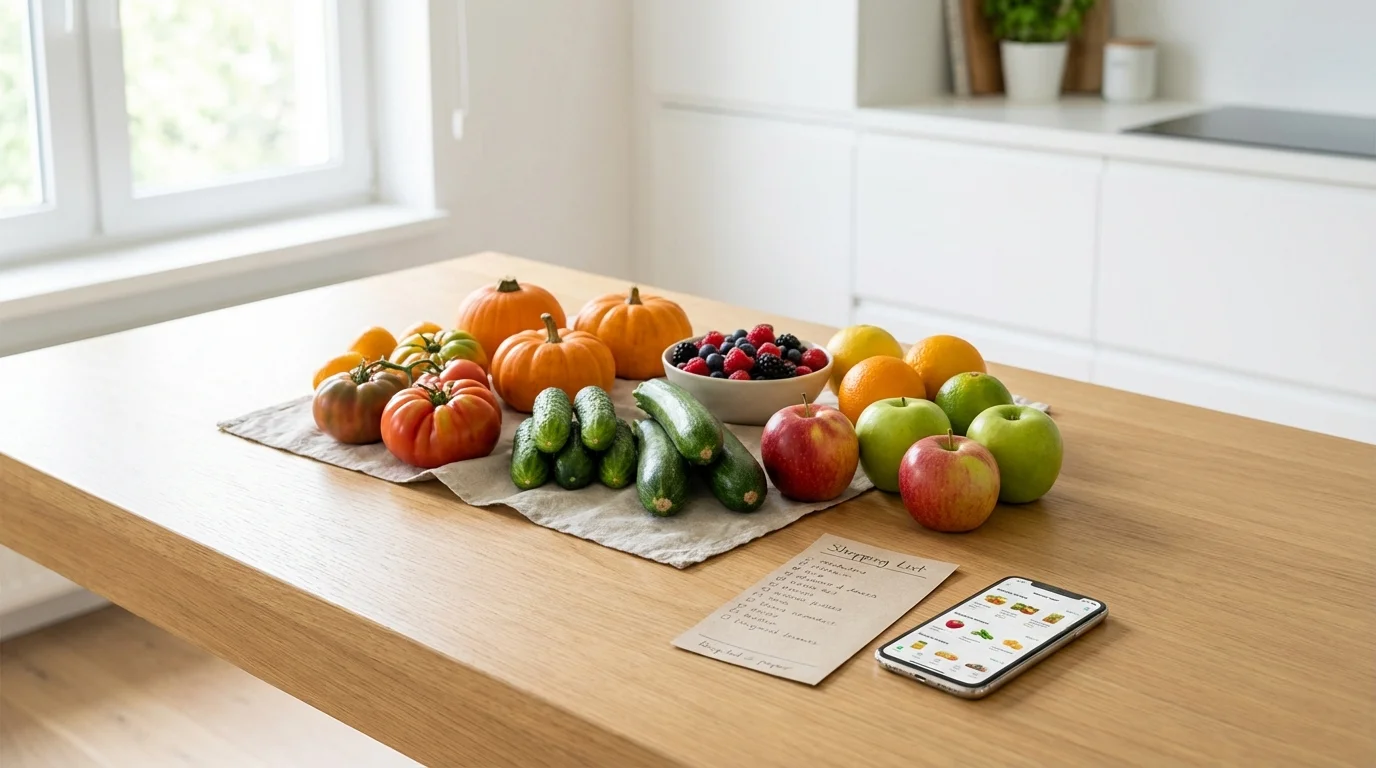
If you're looking specifically for cheap seasonal products, look at zucchini, cabbage, carrots, beets, pumpkin, and apples during their peak months. It's easy to make dozens of dishes from them: soups, stews, casseroles, salads, side dishes.
How to Buy Seasonally and Not Throw Away: Simple Rules
Saving through seasonality only works if the products get eaten in time. Otherwise, the price difference is "eaten up" by write-offs and spoiled vegetables in the fridge.
Here are a few practical rules:
- Plan 3–5 basic dishes for the week and build your basket around them. Seasonal vegetables easily "fit" into soup, stew, and salad.
- Buy perishables more often, but in smaller quantities: berries, greens, ripe tomatoes. Root vegetables and cabbage can be bought in bulk.
- Use freezing: berries, sliced peppers, broccoli, cauliflower. Freeze in portions to take out exactly enough for one dish.
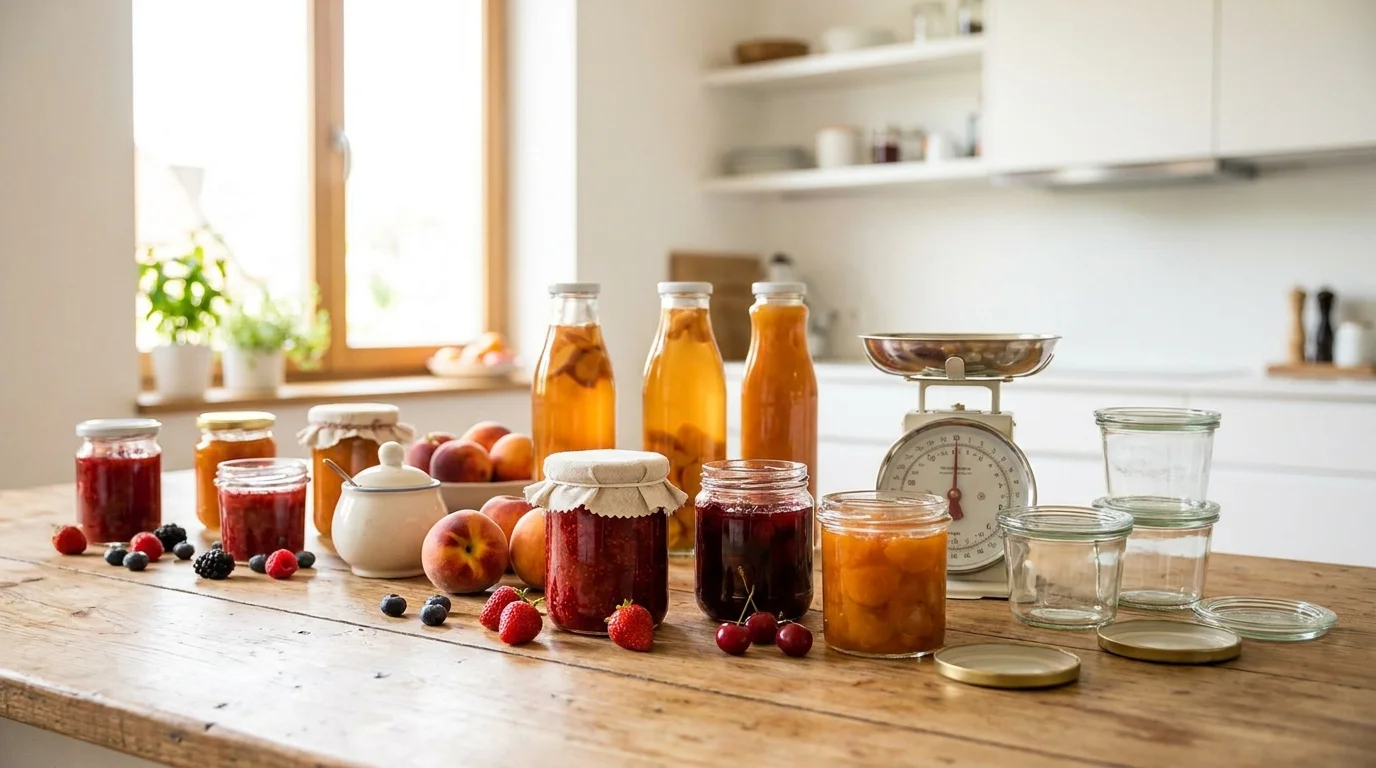
- Make "flexible" preserves: tomato sauce, roasted vegetables, vegetable mixes for soup. This saves time and rescues products that are about to overripen.
Checklist: Quick Check Before Buying
- Is it currently in season? (yes/no)
- How many dishes will I realistically make from this in 3–4 days?
- What can be frozen or processed if there's leftover?
- Are there any "duplicates" at home that need to be eaten first?
If a Product is Out of Season: How to Still Pay Less
Sometimes you want strawberries in February or tomatoes in winter—that's normal. But if the goal is a reasonable budget, there are ways to reduce the cost without giving up familiar dishes.
Workable options:
- Choose an alternative in form: instead of fresh berries—frozen; instead of expensive "winter" tomatoes—tomatoes in their own juice for sauces and soups.
- Look at regional brands and large packages: often the price per kilogram is lower if the product is intended for cooking, not "for display."
- Shift the focus of the dish: in winter, make salads based on cabbage, carrots, beets and add a little "out-of-season" ingredient for flavor (for example, a couple of cherry tomatoes instead of a kilogram).
- Buy during peak supply: even imported fruits have periods when they are abundant and the price is lower (for example, citrus fruits in winter).
This way, you maintain variety and don't overpay for "everything at once" out of season.
Mini-Plan for the Week: Basket of Seasonal Products
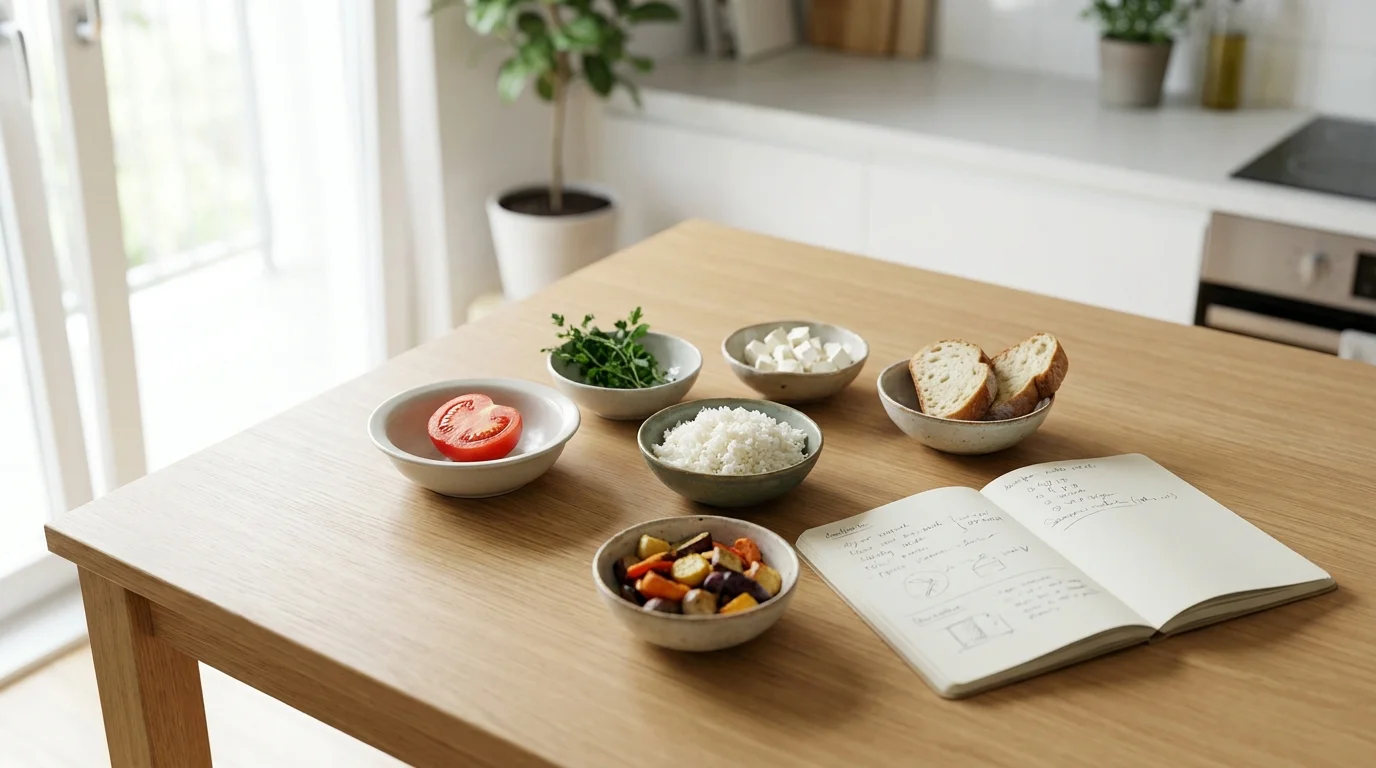
For seasonality to work in practice, it's useful to build your basket around 2–3 "anchor" items for the week. For example, in August, these could be zucchini, tomatoes, and watermelons; in October—pumpkin, cabbage, and apples.
Example of a universal scheme (substitute seasonal vegetables and fruits):
- 1 soup: vegetable/pumpkin/borscht—according to the season.
- 1 large pan/baking sheet: stew, roasted vegetables, chicken with vegetables.
- 2 salads: one "crunchy" (cabbage/carrots), one "juicy" (cucumbers/tomatoes in season).
- Fruits for snacks: 2–3 types, preferably seasonal.
This way, you understand the volumes in advance and less often buy extra "just in case."
Conclusion. Seasonality is one of the simplest ways to spend less without feeling like you're economizing "on yourself." Keep seasonal vegetables in focus and plan purchases around several dishes—this way, you'll more often hit the period when products are tastier and cheaper. And the question "when to buy fruits" solves itself: at the peak of the harvest, when there are plenty and the price drops.
To conveniently compile a list and avoid buying duplicates, you can keep one shared list for the household. For example, in Pickt (a free mini-app in Telegram for shared lists with real-time synchronization), it's convenient to mark what you've already bought and what you still need: t.me/PicktBot/app.