Seasonal Produce of July 2026: Peak Harvest and Best Prices
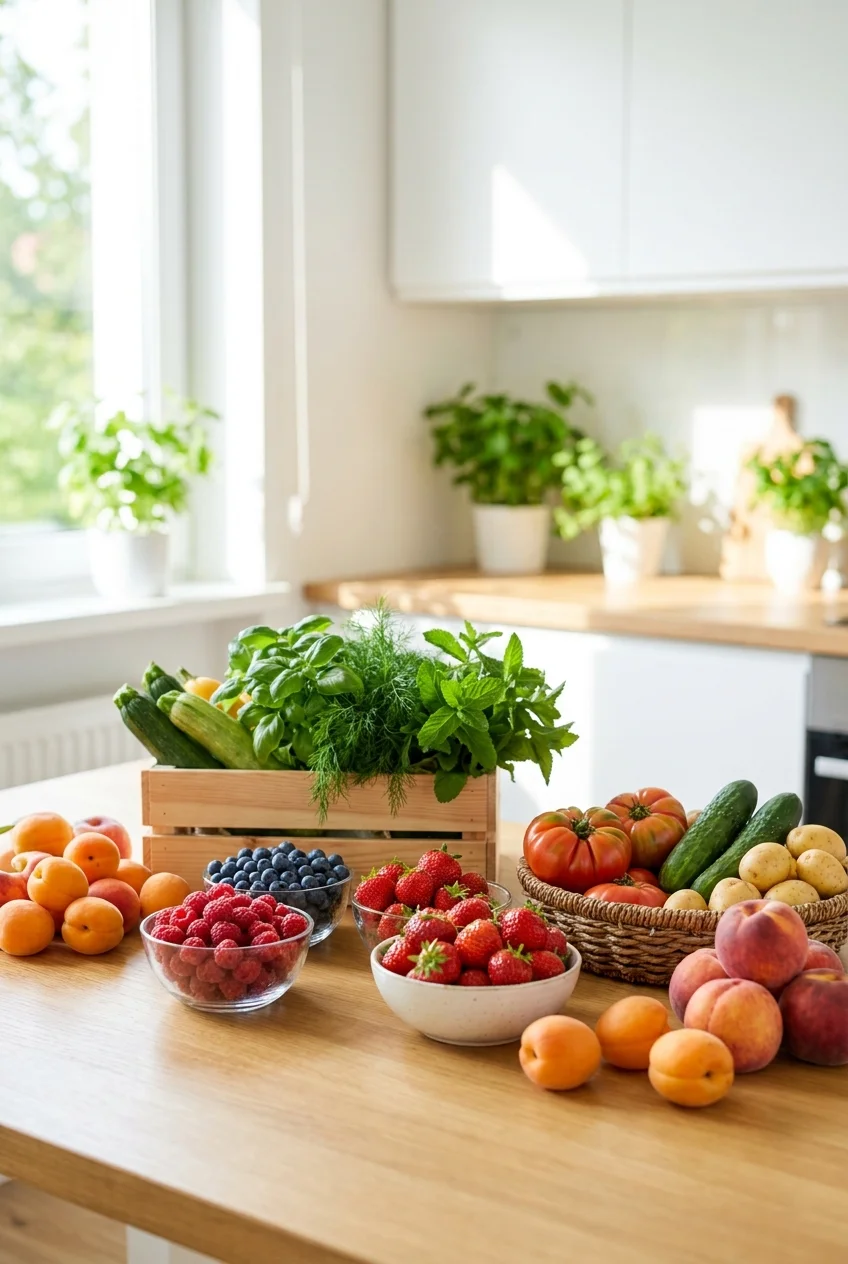
Seasonal July produce includes berries, stone fruits, the first 'real' tomatoes and cucumbers, new potatoes, zucchini, eggplants, and plenty of herbs. In July 2026, most of these items are at peak harvest, so the flavor is more intense and prices are generally lower than in June and noticeably better than in late summer. Below is a practical list by category: what to buy, how to choose, how much to take, and how to store.
In this article, you'll find a selection by product groups, short checklists for choosing at the market or store, ideas for using the harvest, and tips for planning weekly purchases without overspending.
July Berries: Maximum Flavor for Minimum Money
July is the main month for berries: they become more aromatic and the supply increases. During this period, it's easier to find truly sweet berries without a 'plastic' taste, and it's also more cost-effective to buy them for freezing.
- Strawberries (late harvests): choose dry ones without dark spots or wet patches. If you can smell the aroma even through the box, that's a good sign.
- Raspberries: select firm, not runny ones. For transport, buy small containers; at home, sort them immediately and refrigerate.
- Blueberries and bilberries: the berries should be firm with a slight 'bloom' (waxy coating). Wet berries spoil faster.
- Currants (black/red): ideal for juices, sauces, and freezing. The bunch should be dry, without mold at the base.
- Cherries/sweet cherries (still available in some regions): choose ones with green stems and no cracks.
How to Buy Berries Economically
- Buy 2 formats: a small amount 'for today' and a separate portion for freezing/preserving.
- Compare the price per kilogram, not per container: packages often vary in weight.
- If berries are slightly soft, buy them for heat processing (compote, jam, sauce), but not for storage.
Storage: do not wash berries in advance. Keep them in the refrigerator in a single layer on a paper towel and wash them before eating.
July Fruits: Stone Fruits That Finally Taste 'Right'
Seasonal fruits in July are primarily stone fruits: they become sweet, juicy, and noticeably more affordable. This is a great time for fruit salads, homemade ice cream, and baking.
- Apricots: look for fragrant ones, slightly soft near the stem. Very hard ones often ripen 'to no avail'.
- Peaches and nectarines: a good fruit smells and yields slightly when pressed. Wrinkles and stickiness indicate overripeness or improper storage.
- Plums (early varieties): choose ones with a natural bloom, without wet spots or cracks.
- Early apples: buy for snacks and charlotte, but don't expect long storage.
Usage Ideas
- Apricots/peaches: bake with honey and yogurt, smoothies, cottage cheese desserts.
- Plums: sauce for meat, compote, pies.
Tip: if you buy fruits 'to ripen', store them at room temperature in a single layer, and only put fully ripe ones in the refrigerator.
July Vegetables: Garden Hit Parade for Salads and Hot Dishes
Vegetables in July are the foundation of an economical and healthy shopping basket. In 2026, as usual, it's in July that you can most easily find vegetables with pronounced flavor: tomatoes start to smell like tomatoes, cucumbers crunch, and zucchini become tender.
- Cucumbers: choose firm ones without soft ends. For lightly salted cucumbers, pick small ones with bumps.
- Tomatoes: look for aroma at the stem. For salads, choose meaty ones; for sauces, softer and sweeter ones.
- New potatoes: thin skin, no green spots. Great for baking and salads.
- Zucchini and courgettes: better to choose small ones—they have thinner skin and fewer seeds.
- Eggplants: smooth, shiny skin, firm fruit. Overripe ones often taste bitter and have large seeds.
- Peppers: heavy for their size, no wrinkles. Green ones are more grassy, red/yellow ones are sweeter.
- Young beets and carrots: sweet, cook quickly, good for salads and baking.
Quick Weekly Meals
- Vegetable stew: zucchini + eggplant + pepper + tomatoes.
- 'Everyday' salad: cucumbers + tomatoes + herbs + oil/sour cream.
- New potatoes: bake with garlic and dill, serve with kefir sauce.
Money-saving hack: buy some tomatoes 'for sauce'—slightly soft ones are usually cheaper, and after stewing, there's almost no difference.
Herbs and Aromatic Additions: The Cheapest Way to Make Food 'Summer-Like'
Herbs are one of the main answers to the question of what to buy in July: they are relatively inexpensive, and their flavor and health benefits significantly improve the quality of your diet. In July, it's convenient to put together 'weekly sets' and vary dishes without complex recipes.
- Dill, parsley, cilantro: choose bright ones, without yellowing and with dry stems.
- Basil: ideal with tomatoes and pasta. Leaves should be firm, without black spots.
- Green onions: firm stalks, no slime. Great for omelets and salads.
- Young garlic: milder in taste, suitable for sauces and marinades.
How to Extend Herb Freshness
- Wash and dry thoroughly.
- Wrap in a paper towel and place in a container/bag with air access.
- Chop some herbs and freeze in portions (especially dill and parsley).
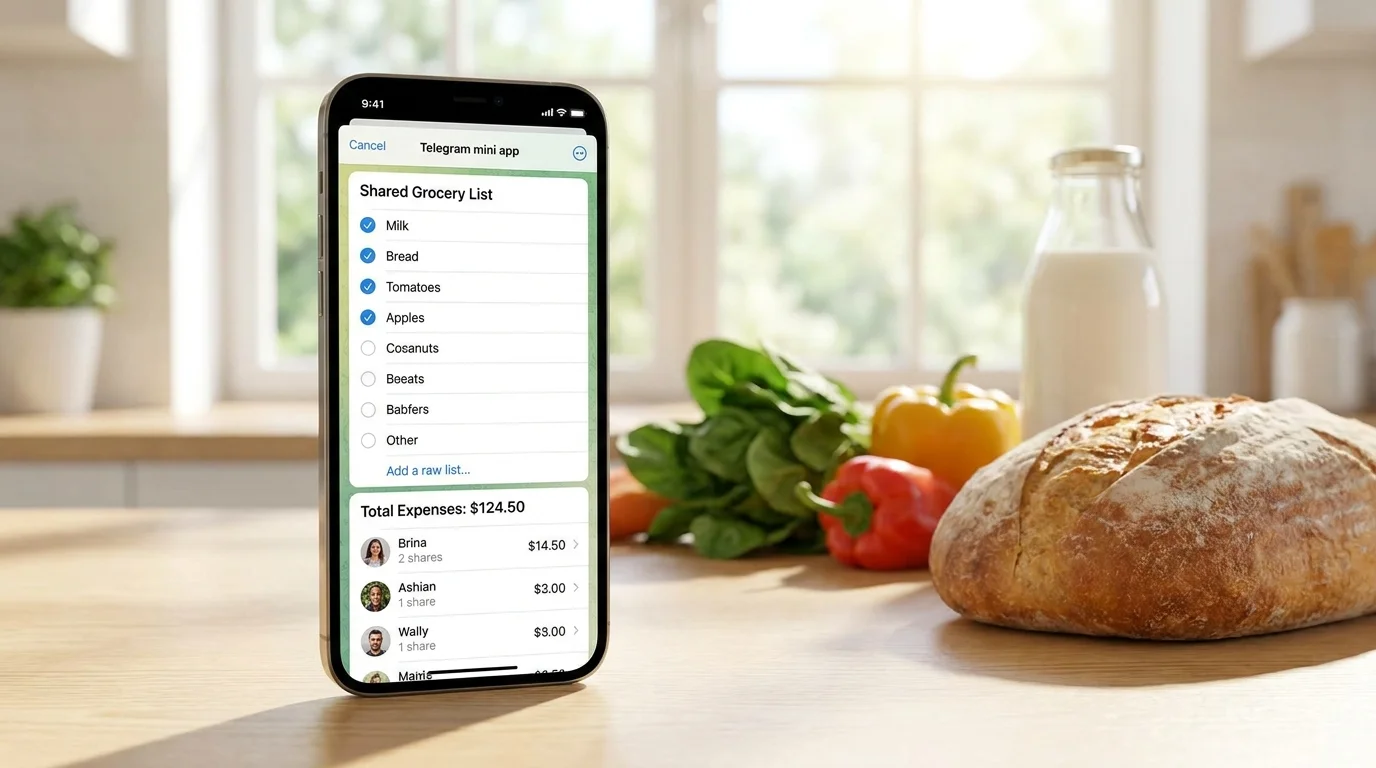
If you're shopping for a family, it's convenient to agree in advance who buys what. In the Pickt mini-app on Telegram, you can keep a shared shopping list and mark items in real time to avoid duplicating herbs, berries, and vegetables: t.me/PicktBot/app.
How to Choose the Best Price and Quality: Market vs. Store
Seasonal July produce is available both at the market and in chain stores. The difference is often not 'where it's better', but what exactly you buy: at the market, it's easier to find local peak produce; in the store, you get stability and promotions.
- For the market: berries, herbs, tomatoes, apricots/peaches—it's easier to assess aroma and ripeness.
- For the store: potatoes, carrots, beets, cucumbers 'for pickling', frozen goods—more convenient by weight and promotional price.
Shopping Checklist (Works Everywhere)
- Plan your menu for 3–4 days, not a week 'in advance' for perishable berries and herbs.
- Buy products 'in season' and replace expensive items with alternatives: for example, use some fruits for compote and some for snacks.
- Look for aroma, dryness, and firmness—these are universal freshness markers.
To avoid forgetting important items and buying too much, keep a list by category: 'berries', 'vegetables', 'herbs', 'dairy'. In Pickt, it's easy to share such a list with a partner or neighbors and quickly mark purchased items right in the store.
Preserving and Storing in July: What to Freeze Now
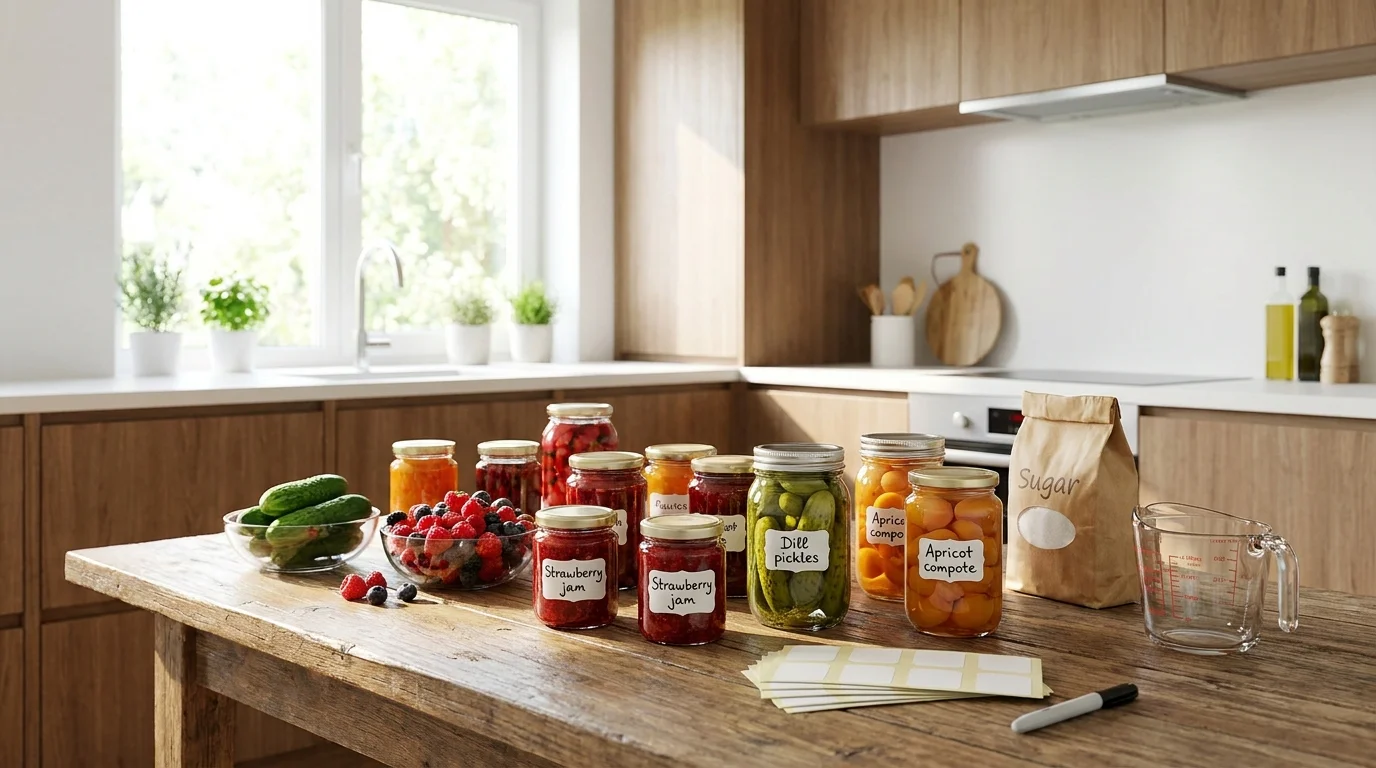
July is the best time to lock in 'summer' prices and flavors for later. You don't have to make dozens of jars: sometimes proper freezing and a few basic preserves are enough.
- Berries: freeze them in a single layer on a tray, then transfer to a bag. This way they won't stick together.
- Herbs: chopped herbs in ice cube trays with water/olive oil—convenient for soups and sauces.
- Tomatoes: make a tomato base (simmer and blend) and freeze in portions.
- Zucchini: grate for fritters and freeze in portions, or blanch in cubes for stews.
How Much to Buy (Guidelines)
- Berries for freezing: 1–2 kg per person—a comfortable minimum for smoothies/porridge/baking.
- Tomato base: 3–5 portions of 300–500 ml per family—for pasta, soups, gravies.
- Herbs: 2–3 bunches of each type, some for the fridge, some for freezing.
The main rule: freeze only what you will actually use. Better to have less, but in portions, so you don't thaw extra.
Conclusion: Seasonal July 2026 produce is the easiest way to eat better and spend less: berries and stone fruits provide sweetness without overpaying, vegetables and herbs form the basis for quick meals, and freezing helps preserve seasonal prices. Put together a list by category, shop for 3–4 days, and restock as needed—this way you'll catch peak quality and avoid food waste.
Frequently Asked Questions
Which seasonal July products are the most cost-effective?
Typically, these are cucumbers, tomatoes (especially 'for sauce'), zucchini, new potatoes, herbs, as well as mass-harvested berries (currants, raspberries, blueberries/bilberries—depending on the region).
How can you tell if tomatoes are truly seasonal and tasty?
Assess the aroma at the stem: seasonal tomatoes have a strong scent. The fruit should be firm but not 'rock-hard', and the color should be uniform without large green areas (unless it's a variety characteristic).
What is best to freeze in July to enjoy summer flavors in winter?
Berries (currants, raspberries, blueberries/bilberries), chopped herbs, tomato base, and zucchini in portions. Freeze in small amounts so you can take out exactly enough for one dish.
How can a family organize a shared shopping list to avoid buying duplicates?
Divide the list into categories ('vegetables', 'berries', 'fruits', 'dairy') and mark purchased items right in the store. A convenient option is a shared list in the Pickt mini-app on Telegram, where changes sync in real time.