A ready-made grocery list for school snacks and lunchboxes for 2026: staple foods, quick 'assemblies', and ideas for different ages. It's suitable for parents of schoolchildren and teenagers, as well as those packing snacks for extracurricular activities or after-school care. The checklist helps maintain a balance: filling, safe, crumb-free, and with minimal sugar.
In 2026, the season is especially important: in spring and summer, fresh fruits, vegetables, and light protein snacks are more appealing, and it's critical to observe proper storage in warm weather. Below are practical categories so you can plan your weekly shopping without racking your brain every morning.
1) The Lunchbox Foundation: A 'Builder' from 5 Food Groups
This section is the core from which any school snack is built. If the lunchbox contains protein, complex carbohydrates, fiber, healthy fats, and water, the child stays fuller longer and is less tempted by sweets.
- Protein (choose 1 per snack): eggs (hard-boiled), baked chicken/turkey, tuna/salmon (portion-sized), cottage cheese, plain Greek yogurt, cheese (slices/sticks), hummus, beans/chickpeas (in a salad).
- Complex Carbohydrates (1 serving): whole-grain bread/wrap/pita, crispbreads, oatmeal/whole-grain tortillas, bulgur/couscous/buckwheat (in a container), whole-grain pasta (salad).
- Vegetables and Fruits (1–2 servings): cucumbers, carrots, bell peppers, cherry tomatoes, apples, pears, bananas, seedless grapes, seasonal berries (in a sealed container).
- Healthy Fats (a little): avocado, olive oil (in salad), nuts (if no allergies and allowed at school), seeds, sugar-free peanut/nut butter (thin layer).
- Drink: water, unsweetened tea, homemade sugar-free fruit drink (in a thermos). Juices are best left as an occasional option.
If you want to keep one shared list for the family, it's convenient to add this 'builder' to a shared list in Pickt and mark what needs to be restocked directly in the Telegram Mini App: t.me/PicktBot/app.
2) Quick No-Cook Snacks: What to Buy 'Just in Case'
This section is a lifesaver on days when there's no time to cook. Choose products that are easy to portion, don't leak, and travel well to school.
- Dairy and Fermented Dairy: sugar-free drinking yogurt, sugar-free cottage cheese, kefir/ayran (small bottles), cheese sticks.
- Convenient Fruits: apples, bananas, tangerines, pears; berries only in a sturdy container.
- Vegetable Snacks: baby carrots, cucumbers, cherry tomatoes, bell peppers (slicing takes 2–3 minutes in the morning).
- Ready Protein Options: hard-boiled eggs, sliced baked fillet, canned tuna in its own juice (mini cans), portioned hummus.
- Dry Options (check the ingredients): whole-grain crispbreads, unsweetened crackers, sugar-free granola (best as a yogurt topping), dried fruit (small portion).
A related query parents often search for: 'healthy school snacks'. The secret isn't 'perfection', but a stable combination of protein + fiber so the child isn't hungry during lessons.
3) Weekly Lunchbox Ideas: 10 Simple Assemblies
This section offers ready-made combinations. Each assembly takes 3–10 minutes if you already have some products in the fridge.
- Wrap Roll: wrap + turkey + lettuce + cucumber + yogurt sauce (on the side).
- Crumb-Free Sandwich: whole-grain toast + cheese + egg + lettuce leaves.
- Yogurt Bowl: Greek yogurt + berries + a spoonful of sugar-free granola (granola separate until eating).
- Veggies with Dip: carrot/cucumber/pepper + hummus + crispbreads.
- Container Salad: couscous + chicken + cherry tomatoes + cucumber + olive oil (dressing on the side).
- Fruit + Protein: apple + cheese sticks + a few nuts (if allowed at school).
- 'No-Surprise' Cottage Cheese: cottage cheese + banana pieces + cinnamon (no sugar).
- Mini Pita: pita + tuna + corn + lettuce (sauce on the side).
- Omelet Muffins: baked portioned omelets + vegetables + crispbreads.
- 'Warm' Option (in a thermos container): buckwheat + turkey meatballs + cucumbers.
If you pack lunchboxes together (e.g., parents taking turns), add these 'assemblies' to a shared grocery list — it makes planning purchases easier and avoids buying unnecessary items.
4) What's Especially Relevant in the Warm Season 2026: Safety and Storage
In spring and summer, food spoils faster, and children often keep their lunchbox in their backpack until the big break. This section is about what really reduces risks and preserves taste.
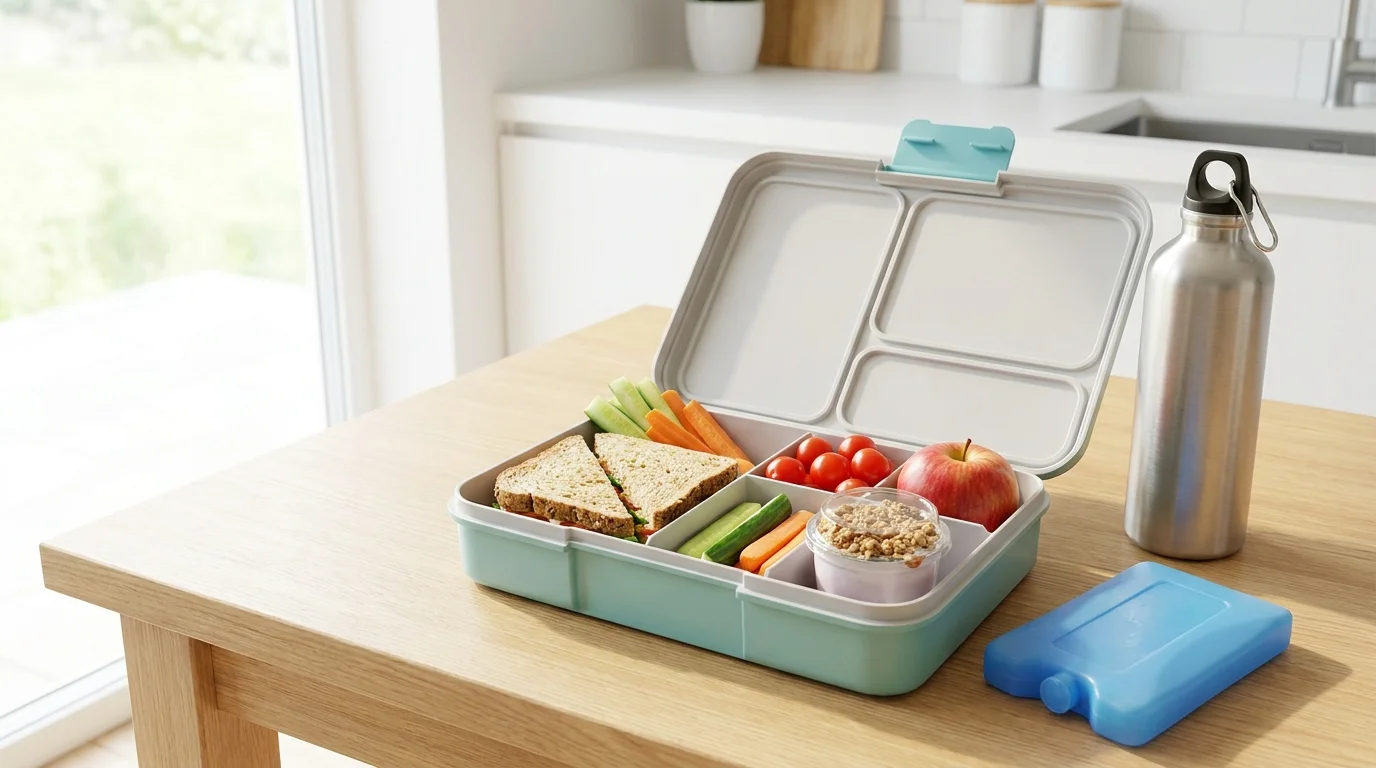
- Add Cold: use a small ice pack or a thermal bag if the school doesn't have a fridge.
- Avoid 'Risky' Combinations Without Cooling: mayonnaise salads, creamy desserts, fish/meat without refrigeration for 4–5 hours.
- Sauces — Separate: put yogurt sauce, oil, and pastes in a mini-container so the bread doesn't get soggy.
- Fruits That Brown: apple/pear — sprinkle with lemon or pack whole.
- Hygiene: wash and thoroughly dry containers; give children wet wipes or a small hand sanitizer (if allowed).
Related query: 'what to put in a child's lunchbox in summer'. In summer, light proteins (yogurt, egg, chicken) and plenty of water work best, with minimal sweets.
5) Shopping List by Category: A Ready-Made Weekly Checklist
Below is a 'grocery list for school snacks and lunchboxes' that's convenient to use as a base for a 5–7 day shop. Mark 1–2 items in each category — and you've already covered the task.
Protein Products
- Eggs
- Chicken/turkey (fillet or mince)
- Cottage cheese
- Plain Greek yogurt
- Cheese (slices/sticks)
- Canned tuna/salmon in its own juice
- Hummus
Vegetables and Fruits (Season 2026)
- Cucumbers, bell peppers, carrots
- Cherry tomatoes
- Leafy lettuce
- Apples, bananas, pears
- Seasonal berries (strawberries/blueberries/raspberries)
- Seedless grapes
Carbohydrates and 'Base'
- Whole-grain bread/toast
- Wraps/pita
- Crispbreads
- Oatmeal or sugar-free granola
- Couscous/bulgur/buckwheat
Healthy Fats and Add-ons
- Avocado
- Olive oil
- Nuts/seeds (if no allergy restrictions)
- Sugar-free nut butter
- Lemons (for fruit and dressings)
Drinks and 'Little Things' That Make a Difference
- Water (bottles/home filter)
- Unsweetened tea/sugar-free fruit drink
- Wet wipes
- Mini containers for sauces
- Bags/containers for slicing
To keep the shopping list from getting lost, save it in Pickt and share it with your partner or grandma: one adds items, the other marks what's bought — synchronization happens in real time.
6) How to Adapt the List for Age, Appetite, and School Restrictions
This section helps quickly 'tweak' the checklist for your child. Appetite, break duration, and rules on allergens differ across grades.
- For Grades 1–4: make fewer 'assemblies', more simple portions: cheese + fruit + crispbreads; cut pieces large so they don't crumble.
- For Grades 5–9: add more filling options: rolls, grain salads, warm lunchboxes in a thermos container.
- For High Schoolers: focus on protein and convenience: yogurt + granola, turkey sandwiches, salads; you can agree on 'staple' products for the week.
- If the school bans nuts: replace with seeds (if allowed), cheese, hummus, avocado.
- If the child doesn't eat vegetables: start with 'crunchy' ones (cucumber, baby carrots) and dips; vegetables in a roll often go down better than as a separate portion.
Related queries worth considering when planning: 'sugar-free school snacks' and 'what to buy for a child's lunchbox'. Both are solved through stable shopping and clear combinations.
Conclusion
A good grocery list for school snacks and lunchboxes isn't about complex recipes, but a system: a few protein options, a simple 'base', seasonal vegetables and fruits, plus safe storage for the warm 2026 season. Save the checklist, mark suitable items, and update it weekly — morning prep will become noticeably calmer.
Frequently Asked Questions
How much food should I put in a lunchbox?
Aim for 1 protein + 1 carbohydrate + 1 fruit/vegetable. For younger students, small portions are better; two small snacks are better than one huge one.
What to pack if the school doesn't have a fridge?
Choose products that last 4–5 hours safely: crispbreads, fruits, vegetables, nuts/seeds (if allowed), a sandwich without sauces. For yogurt, chicken, and salads, use an ice pack.
How to reduce sweets without making the snack 'boring'?
Make sweetness 'natural': fruits, berries, cinnamon in cottage cheese. If you use bars, choose options without added sugar and with a short ingredient list, but keep them as a rare backup.
How to quickly plan weekly shopping?
Create a basic list by category (protein, vegetables/fruits, base, drinks) and repeat it, changing 2–3 items seasonally. It's convenient to keep a shared list in an app so everyone in the family sees current purchases and avoids duplicates.