October in Turkey is the month of big family shopping for winter. Markets fill with seasonal vegetables, stores offer value packs of grains and legumes, and at home, families discuss how much turşu to make, whether to replace blankets, and when to service the combi boiler or stove.
The Turkish tradition of kışlık is not just about stocking up on food. It's peace of mind for several months: the pantry has everything for a hearty dinner, the house is warm, the kids are ready for rain and cold, and important purchases don't turn into a sudden strain on the budget.
It's easier to manage the big preparation as a family project. In a shared Pickt list, you can divide purchases by category, add items from your phone right in the store, and see what other family members have already bought. This is especially convenient when one person picks vegetables at the pazarı, another stops by the supermarket, and someone else takes care of the house.
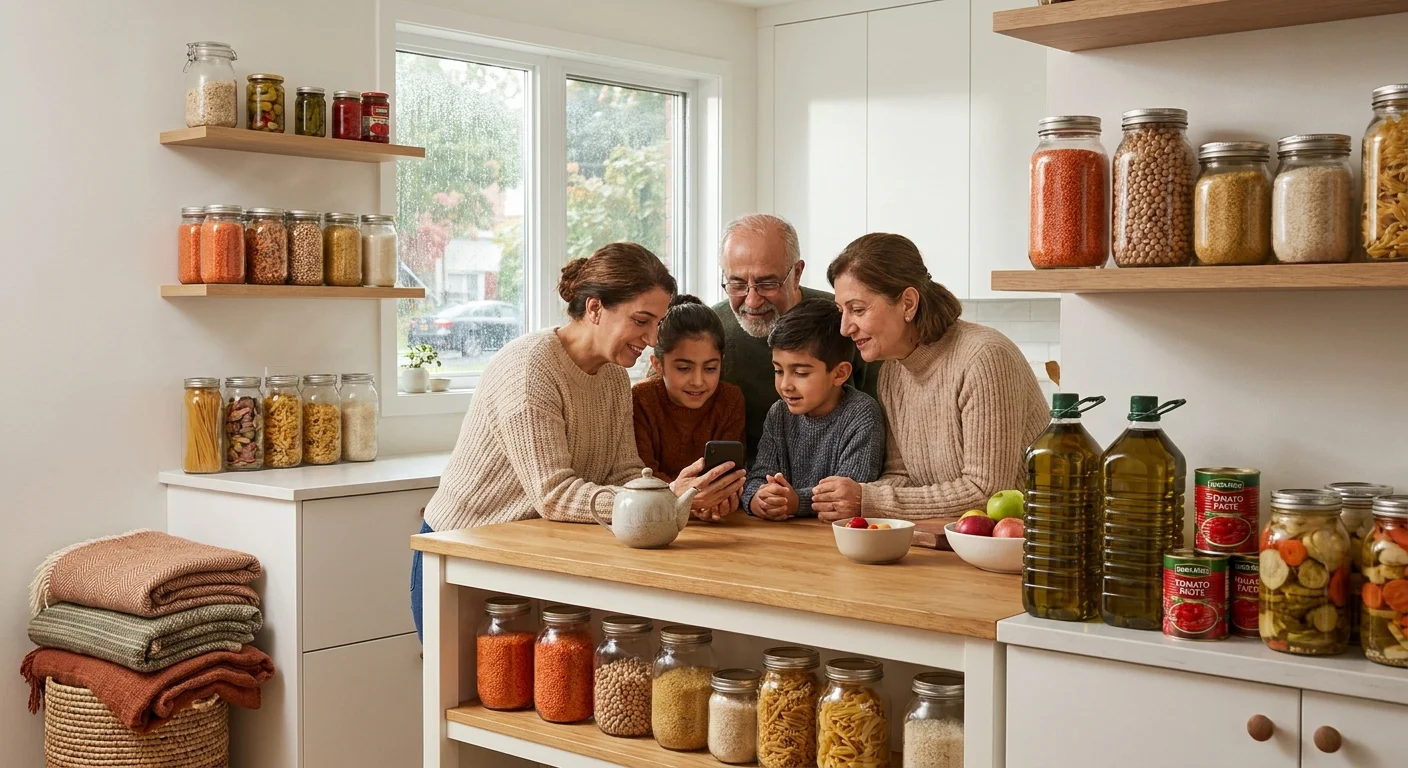
Winter pantry staples: grains, legumes, and basic products
The foundation of the winter pantry is long-lasting foods from which you can quickly prepare familiar family meals. When it's raining or snowing outside, it's especially nice to know you have ingredients at home for lentil soup, beans with meat, bulgur with vegetables, or pasta with sauce.
Start by checking your cabinets. Check expiration dates, open packages, and items your family rarely uses. Don't buy everything just because it's sold in a large pack. Kışlık should match your family's actual menu and the amount of storage space you have.
What to add to your winter stock
- Red lentils, chickpeas, white beans, bulgur, and rice.
- Pasta in different shapes for quick sides and casseroles.
- Flour, sugar, salt, yeast, and spices for homemade baking.
- Vegetable oil, olive oil, and butter in a size that suits your family.
- Tomato paste salça, tomato sauces, and dried vegetables.
- Tea, coffee, cocoa, honey, jam, and breakfast items.
- Nuts, dried fruits, and healthy snacks for school or work.
Think about storage separately. Grains and legumes are best transferred to dry, airtight containers, and jars of salça, sauces, and oils should be kept in a cool, dark place. Label the opening date: this makes it easier to use older stock before newer items.
Prices in liras can change during the season, so it's useful to watch for promotions but avoid buying more than you need. Compare the cost per package and the price per weight, especially when choosing rice, oil, tea, or legumes in large formats.
Turşu and homemade preserves: the taste of winter in a jar
Homemade pickles are an important part of Turkish winter cuisine. A jar of crunchy turşu perfectly complements beans, pilaf, meat dishes, and even a simple sandwich. In autumn, fresh cucumbers, cabbage, carrots, peppers, green tomatoes, garlic, and celery are chosen for it.
For classic turşu, you'll need clean jars, lids, coarse salt, vinegar, water, and spices according to the family recipe. Different regions prefer different acidity levels, adding citric acid, hot peppers, grape vinegar, or chickpeas for fermentation. The key is to maintain cleanliness and use quality vegetables without blemishes.
Besides pickles, many families make homemade salça, dry peppers and eggplants for dolma, prepare tomato sauces, jams, and compotes. You don't have to make a huge batch in one day. It's better to determine which preserves your family actually eats and prepare as many jars as you can use before the next season.
Shopping list for homemade preserves
- Seasonal vegetables for turşu and sauces.
- Vinegar, salt, sugar, and necessary spices.
- Garlic, hot peppers, dill, or celery.
- Jars of suitable size, new lids, and labels.
- Gloves, kitchen towels, and containers for preparing vegetables.
In Pickt, it's easy to create a separate section for “Turşu and preserves.” One person can mark jars and vinegar, another can add vegetables from the market, and the one who cooks can immediately see what's missing. A shared list helps avoid buying three packs of salt and forgetting lids at the most important moment.
Home: insulation, servicing the stove or combi boiler, carpets, and blankets
In coastal cities, winter is often rainy and humid, while in inland and eastern regions, the cold can be much more severe. So home preparation depends not only on family habits but also on the climate of your specific city.
First, check the windows and doors. Seals, thick curtains, draft protection, and simple insulation solutions help retain heat and reduce heating costs. If your home has a balcony or pantry, make sure there are no leaks or dampness.
In apartments with natural gas, it's important to service the combi boiler in advance, check system pressure, radiators, and ventilation. In homes with stove or wood heating, you need to clean the chimney, inspect the stove, and prepare a safe place for storing firewood. Don't postpone technical issues until the first cold snap: during the season, technicians are usually busy.
Take out winter carpets, blankets, throws, and warm mattress pads. Wash or air out the textiles, check the condition of pillows, and buy covers if needed. For families with children, it's useful to have extra throws in the living room and car.
Clothing and footwear for the whole family
An autumn wardrobe check prevents rushing on rainy mornings. Gather winter jackets, sweaters, thermal underwear, hats, scarves, and gloves. Have children try on clothes: they may have grown over the summer, and last year's boots might be too tight.
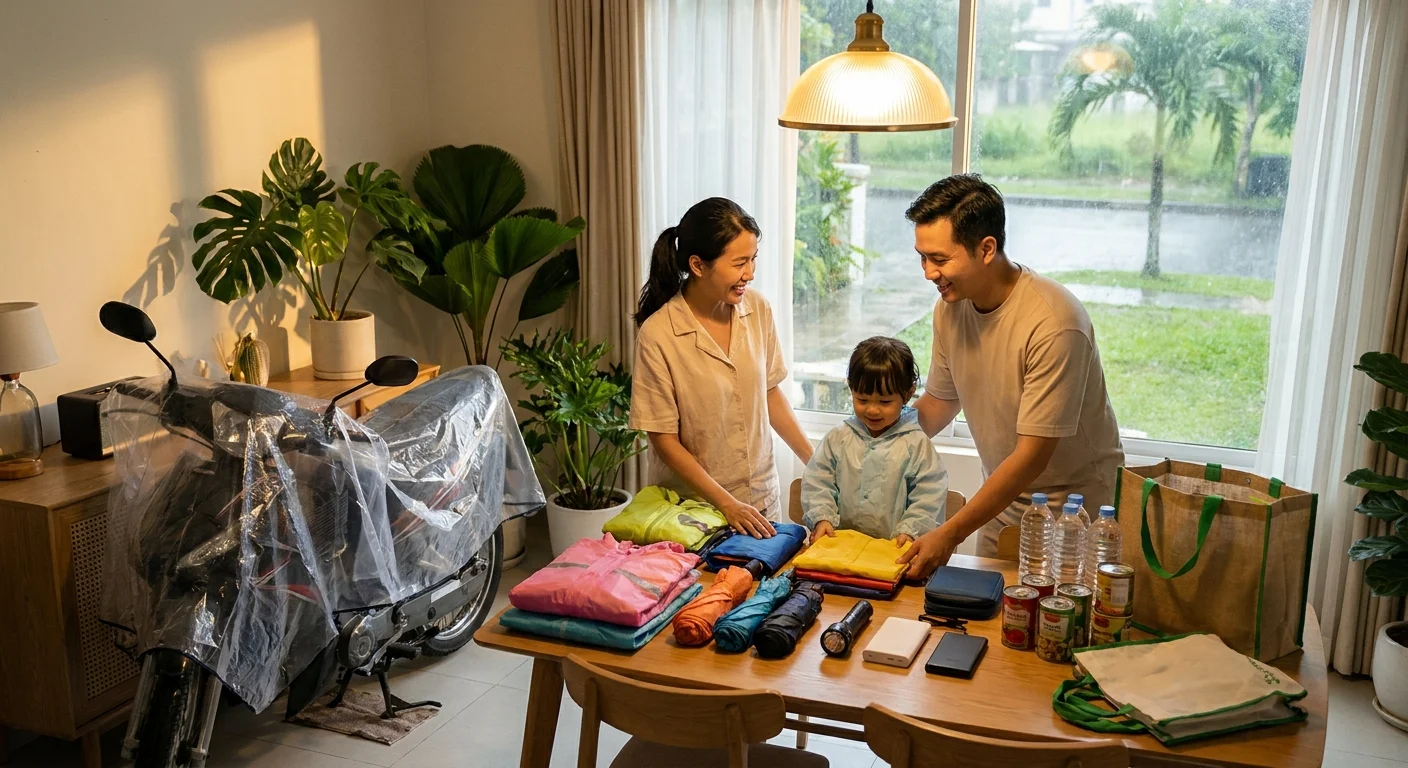
Pay attention to footwear. For Turkish winter, warmth isn't the only thing that matters; protection from rain is also key: waterproof shoes, intact soles, and quality socks are especially useful for schoolchildren and those who walk a lot. Check umbrellas, raincoats, and bags for spare shoes.
You don't have to update the entire wardrobe. Make a list of truly needed items: for example, one warm sweater, new waterproof boots for a child, or gloves for an elderly relative. This approach helps spread expenses in liras and avoid impulse purchases.
How to split a big shopping trip into 3 visits without overloading the budget
Trying to buy all your kışlık at once is inconvenient: the basket gets heavy, it's easy to miss an important item, and the final amount can be an unpleasant surprise. It's more practical to break the preparation into three stages.
First trip: pantry basics
Buy grains, legumes, pasta, oil, salça, tea, and other long-lasting products. This is the base, which is convenient to choose based on promotions and compare by price per weight.
Second trip: market and preserves
Choose fresh vegetables for turşu, sauces, and drying. On the same day, get vinegar, salt, jars, and lids. Plan the volume of preserves in advance so vegetables don't go unused.
Third trip: home and clothing
Buy seals, household essentials, home care products, textiles, and any missing clothing. If the combi boiler or stove needs servicing, add it to the list as a separate task, not just an optional reminder.
Create a shared list in Pickt with sections for “Pantry,” “Turşu,” “Home,” “Clothing,” and “To-do.” Each family member can mark completed items, add missing ones, and see overall progress. This way, the big winter shopping turns into a clear plan rather than endless messages on Telegram.
Comprehensive winter preparation checklist
- Review the pantry and plan a menu for the cold season.
- Buy grains, legumes, pasta, oil, salça, and breakfast items.
- Prepare vegetables, vinegar, salt, jars, and lids for turşu.
- Check expiration dates of last season's homemade preserves.
- Inspect windows, doors, balcony, and areas prone to dampness.
- Schedule servicing for the combi boiler, stove, or chimney.
- Take out, wash, or air carpets, blankets, and throws.
- Check winter clothing, footwear, umbrellas, and raincoats for the whole family.
- Divide purchases into three trips and set priorities.
- Keep a shared Pickt list so everyone can see what's already done.
Preparing for winter doesn't have to be exhausting. If you distribute tasks, shop gradually, and keep everything in one shared list, your family will meet the cold season with stocked food, a warm home, and peace of mind.