How to Create the Perfect Weekly Grocery List
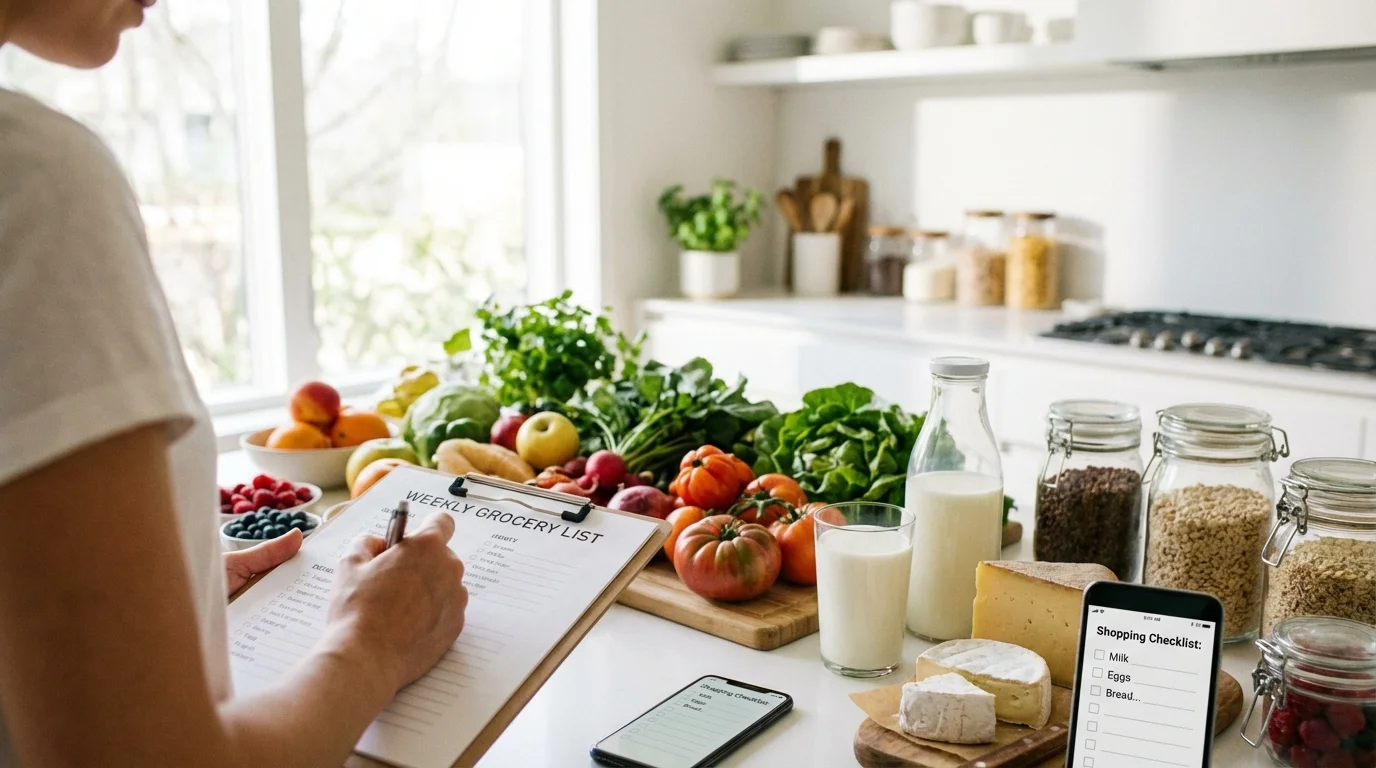
“I’ll just pop into the store for five minutes” often turns into extra spending, forgotten items, and repeat trips. The solution is simple: set up a clear approach to how to make a grocery list once, and then spend just 10–15 minutes a week on it.
A good weekly grocery list helps you keep your budget, meals, and time under control. It also reduces stress: you know exactly what you’ll cook and what you already have at home.
Below is a practical shopping plan you can adapt to any schedule and household size.
Step 1. Define your “week framework”: how often you cook and where you eat
Before you start writing your list, decide what your week actually looks like. How many dinners will you cook at home? Will you pack lunches? Are there days when you’ll definitely eat out or order delivery?
This matters: a weekly grocery list should reflect real life, not an ideal plan. If you cook 3–4 times, don’t plan 7 complicated meals—your groceries simply won’t get used in time.
A quick guideline: plan 3–5 main meals and 2 “backup” options for hectic days (dumplings/frozen meals/eggs/pasta).
Step 2. Do a 3-minute mini inventory at home
To avoid buying duplicates, start with what you already have. A quick look through the fridge, freezer, and pantry staples is enough.
Immediately note the items you need to “save” first: dairy with a short shelf life, herbs/greens, opened sauces, leftover vegetables. It’s easier to build meals around them and reduce food waste.
A simple rule: if you already have it at home, it should appear in your meal plan at least once. That’s how shopping planning becomes both economical and logical.
Step 3. Build a menu skeleton and turn it into a grocery list
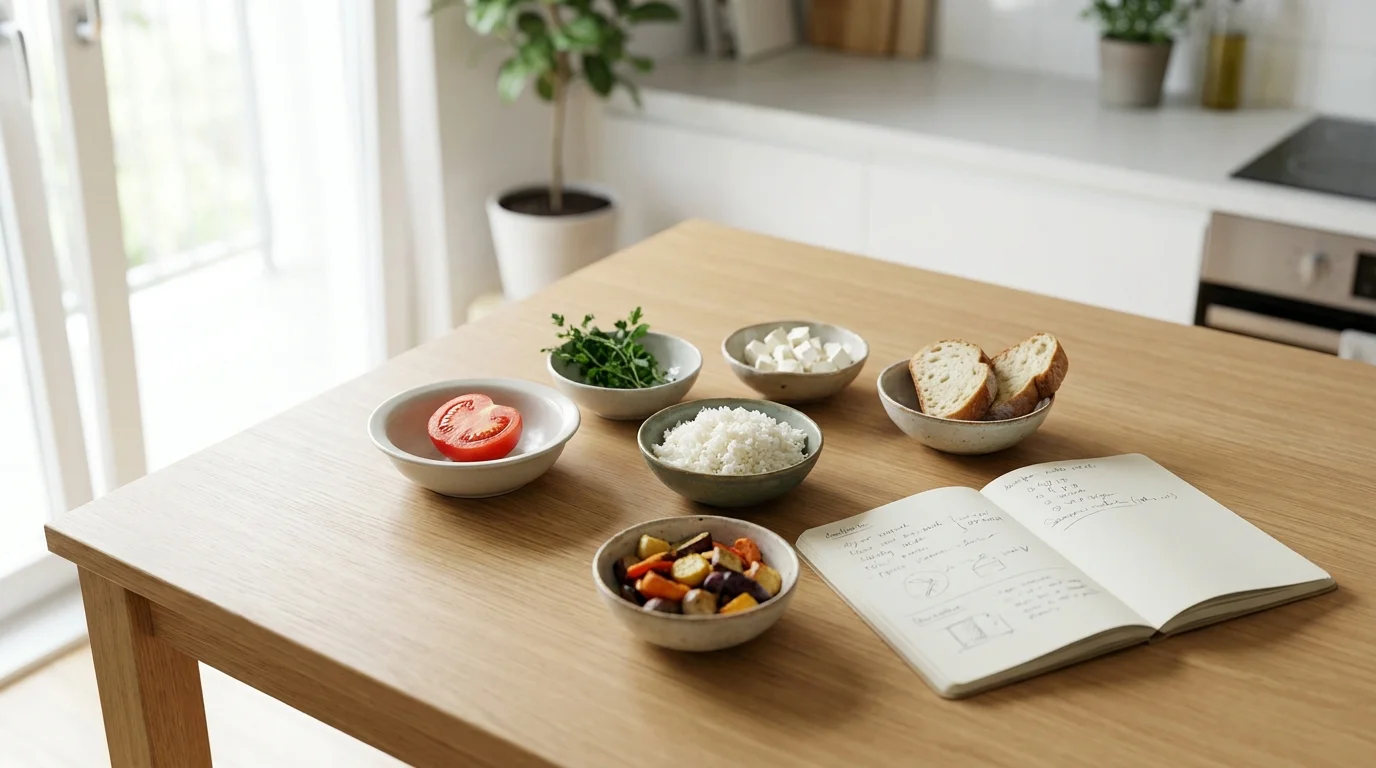
The most convenient format is not writing out full recipes, but creating a “menu skeleton”: protein + side + vegetables. For example: chicken + buckwheat + salad; fish + potatoes + vegetables; pasta + sauce + cheese.
Next, ask yourself: which ingredients repeat? Repetition is your friend. When you use the same basic items (onions, carrots, garlic, eggs, grains), your list gets shorter and cooking gets faster.
To understand how to make a grocery list without chaos, translate meals into categories: produce, proteins, dairy, pantry, frozen, household. That way you’ll stop zigzagging around the store.
Checklist: a quick “menu skeleton” for 5 dinners
- Chicken/turkey + grains + salad
- Fish + potatoes/rice + vegetables
- Ground meat/legumes + tomato sauce + pasta/grains
- Eggs/omelet + vegetables + bread/toast
- Soup/stew from what’s left + sour cream/greens
This template helps you quickly put together a weekly grocery list, even when you have zero time for inspiration.
Step 4. Organize your list by store sections: you’ll shop faster and more accurately
One reason for impulse buys is when your list looks like a stream of thoughts. Split it by store sections: you’ll follow a route and be less likely to grab extras.
Below is an example structure. Add your own items and leave space for “restock staples.”
Example: a universal weekly grocery list (template)
- Produce: onions, carrots, garlic, cucumbers/tomatoes, leafy salad/greens, seasonal fruit, lemon
- Proteins: chicken/turkey, fish, eggs, ground meat or legumes
- Dairy: milk/kefir, yogurt, cheese, cottage cheese, sour cream
- Pantry: rice/buckwheat/pasta, oats, flour/bread, canned tomatoes, beans/chickpeas, oil
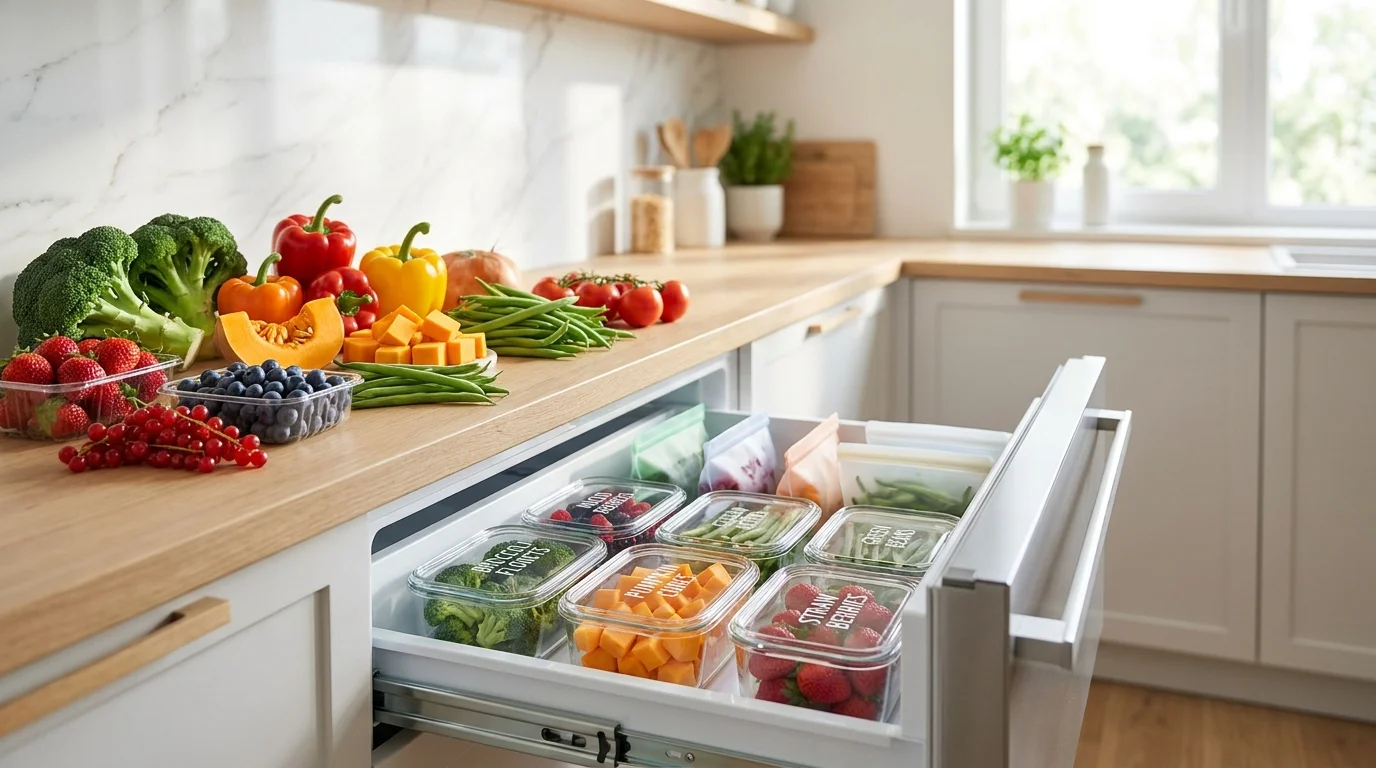
- Frozen: mixed vegetables, berries, convenience foods “for backup”
- Sauces & spices: soy sauce/ketchup, mustard, salt, pepper, paprika, dried herbs
- Household: paper towels, dish soap, trash bags
Then specify quantities. It’s better to write “cheese 200–300 g” than just “cheese,” and “apples 1 kg” instead of “apples.” This reduces extra trips and helps you stay on budget.
Step 5. Check your list for three mistakes: extra, missing, inconvenient
Once your list is ready, do a quick review. It takes a minute but saves money and stress.
1) Extra: duplicates (two packs of grains when you already have one), “mood” items that usually don’t get eaten. If you’re unsure, buy the smaller size.
2) Missing: small things that break a meal: cream for a sauce, lemon for fish, baking powder, herbs/greens, bread. These are often what force a second trip.
3) Inconvenient: foods that take too long when you don’t have time on weekdays. If it’s a busy week, choose simpler options: pre-cut salad mixes, frozen vegetables, ready soup mixes.
Mini checklist before you head to the store
- Do you have a plan for 3–5 dinners and 1–2 quick “backups”?
- Did you include breakfasts/snacks (yogurt, fruit, nuts, bread)?
- Did you check expiration dates for dairy and greens at home?
- Did you write down quantities and priorities (must-have vs. nice-to-have)?
How to make shopping planning a habit: 3 rules that work
So shopping planning doesn’t turn into a separate project, simplify it into a repeatable ritual. The fewer decisions, the better the system works.
Rule 1: one day for the list. Pick a fixed time—Sunday evening, for example, or the morning of your shopping day. It’s easier for your brain when it’s a habit.
Rule 2: keep 10 basic staples stocked. Grains, pasta, eggs, frozen items, canned tomatoes, oil, spices. Then your weekly grocery list is shorter and your menu comes together faster.
Rule 3: one shared list for everyone. If you don’t live alone, it’s important that the list is shared and updated immediately. That way no one buys “more milk” when it’s already in someone else’s cart.
The perfect weekly grocery list isn’t about complicated spreadsheets—it’s a clear algorithm: week framework → inventory → menu skeleton → list by sections → quick check. You’ll know exactly what to buy and spend less on random extras.
If you want to keep one shared list and check off items together, Pickt is a handy option—a free mini app in Telegram for shared lists with real-time sync: t.me/PicktBot/app. That way the list is always at hand and identical for everyone, even if you take turns going to the store.