Buying groceries for one can indeed be more expensive per serving. Family-sized packages look like a good deal on the price tag, but someone living alone often can't use them up completely. As a result, some cheese gets moldy, herbs wilt in the fridge, yogurts expire, and half of the cooked food ends up in the trash.
The paradox is that singles often throw away more food than families: there's no one at home to finish the leftovers, and you have to plan your purchases yourself. The good news is you don't need to eat buckwheat all week or spend evenings on complicated calculations. It's enough to stock a basic pantry, buy fresh produce in small batches, and freeze what you won't get to eat.
Why Does It Cost More for One?
The main reason is package size. Manufacturers and stores find it more profitable to sell a kilogram of apples, a big bag of salad, or a dozen yogurts than one or two servings. But a low price per kilogram doesn't mean real savings. If a third of the product goes bad, you've paid for it in full.
There's no universal answer to how much one person spends on food: it all depends on the city, habits, delivery, and how often you eat out. However, your budget usually drops noticeably when you count not the price per package but the cost per serving eaten. A 180-ruble pack of cottage cheese used entirely is a better deal than a 300-ruble large package half of which ends up in the trash.
Another source of extra spending is buying "just in case." A single person rarely needs a two-week supply of fresh vegetables. It's better to have versatile non-perishables at home and top up on perishables every few days.
Basic Pantry for One Person
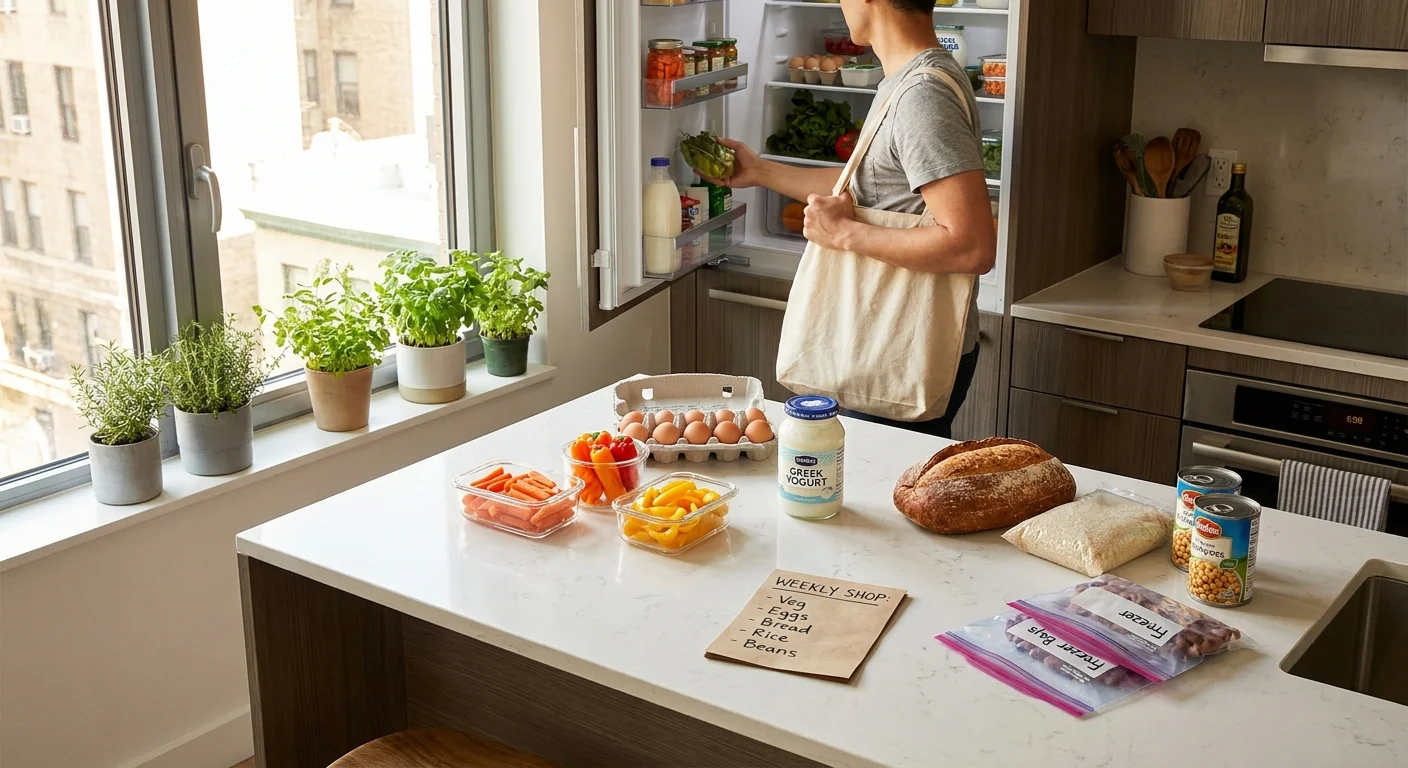
A basic pantry helps you quickly put together dinner without ordering delivery just because the fridge is empty. It's not a huge strategic stockpile but a set of foods that store well and go together.
- Grains and sides: rice, buckwheat, bulgur, oatmeal, pasta, couscous.
- Canned goods: beans, chickpeas, corn, tomatoes in their own juice, tuna or sardines.
- Frozen items: vegetable mixes, broccoli, berries, dumplings, or portions of ready meals.
- Flavor base: vegetable oil, soy sauce, tomato paste, mustard, vinegar, spices, garlic.
- Long-lasting foods: eggs, onions, potatoes, carrots, hard cheese.
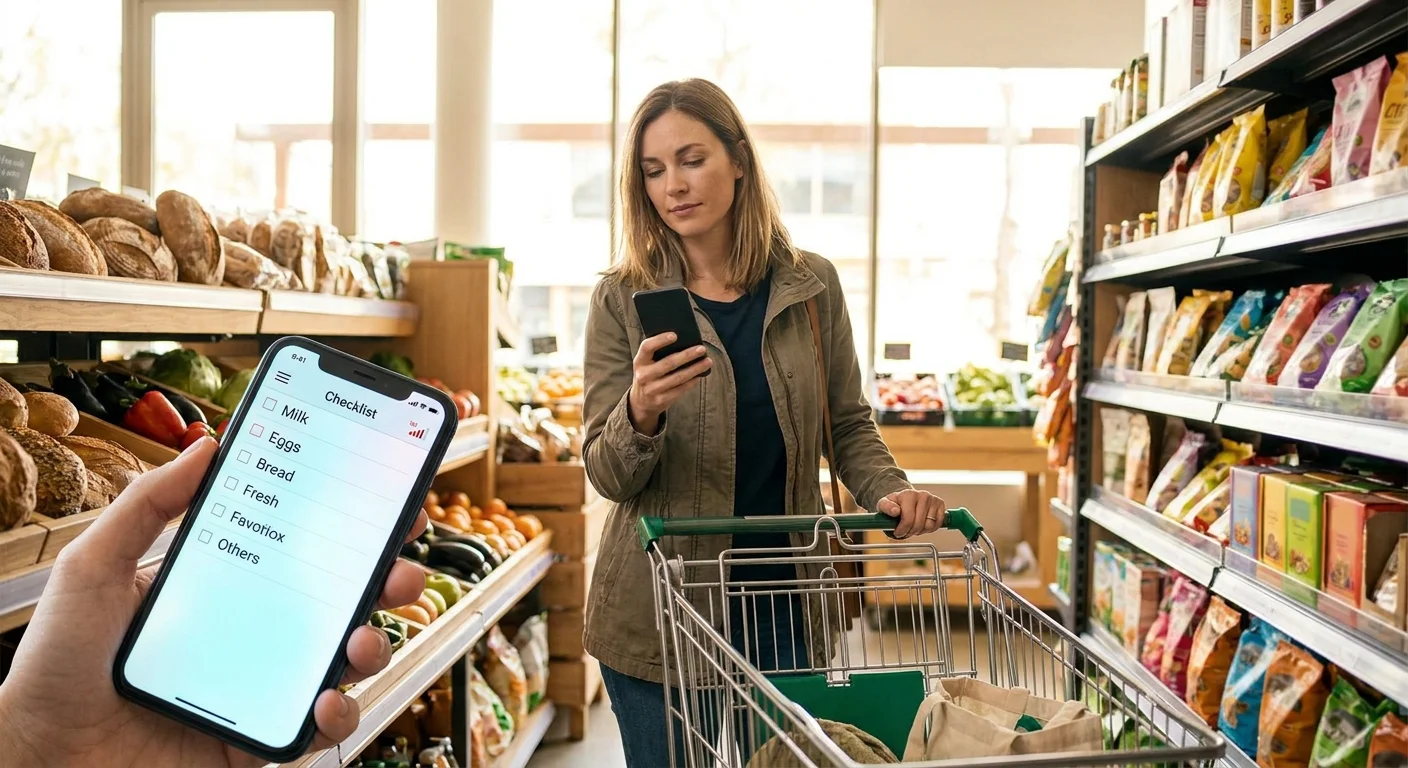
With this set, you can make pasta with tuna and tomatoes, rice with vegetables and egg, bean soup, an omelet, or a salad. Even when alone, it's useful to keep a shopping list: it reduces impulse buys and helps you not forget small things like salt, sponges, or lemons. For example, in Pickt you can quickly put together a list right in Telegram and check off items as you shop.
What to Buy in Small Packages and What in Large Ones?
A small package isn't always necessary. Focus on shelf life, how often you use the product, and whether it can be frozen. If you eat something several times a week or it stores well for months, a large package can be reasonable. But vegetables, delicate greens, and some dairy products rarely justify buying in bulk.
| Product | Package to Choose | How to Use It Up |
|---|---|---|
| Grains and pasta | Large pack, 800 g–1 kg | Store in a dry jar, rotate sides |
| Canned goods | Several cans on sale | Use in salads, soups, pasta, and bowls |
| Eggs | 6–10 pieces | Omelets, boiled eggs, baking, rice with egg |
| Bread | Small loaf or sliced | Freeze part of the slices right away |
| Meat or fish | 400–700 g | Divide into portions and freeze on the day of purchase |
| Herbs | Small bunch | Add to salad, omelet, sauce; freeze the rest chopped |
| Yogurt and cottage cheese | 1–2 single-serving packs | Plan for breakfast or snacks in the coming days |
| Vegetables | 1–3 of each kind | Use the most delicate first, roast or freeze the rest |
Buying in bulk is still worthwhile for grains, pasta, canned goods, coffee, toilet paper, laundry detergent pods, and household chemicals if you have storage space. But a kilogram of salad leaves, a large container of berries, a dozen identical yogurts, and a bag of avocados are often guaranteed waste. An exception is possible if you immediately split products with a neighbor, parents, or friends. For such shared purchases, it's convenient to use a shared list in Pickt: you can see who has already bought what and what needs to be divided.
Fresh Produce: The Strategy of Short Shopping Trips
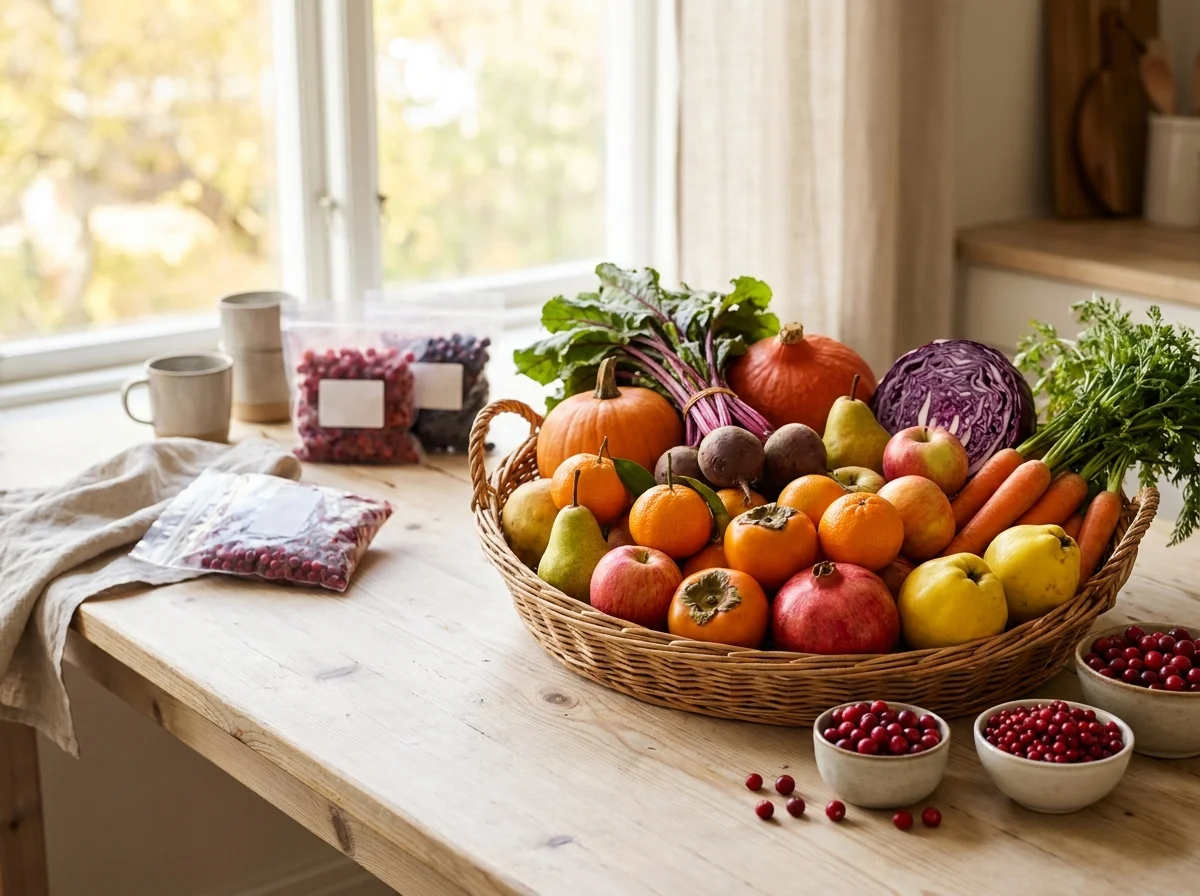
To avoid wasting food, don't try to buy everything for the week on Sunday. Split your shopping into two parts: a main trip for 3–4 days and a quick restock midweek. On the first trip, get longer-lasting items: potatoes, carrots, apples, eggs, cheese, and firm vegetables. A few days later, pick up herbs, soft fruits, fish, ready-made salad mixes, and dairy.
A useful rule: first plan not seven perfect dinners but three main dishes and two "backup" options from the pantry. Life changes: you might stay late at work, meet friends, or simply not feel like cooking. Then the food won't be waiting for you until the end of the week.
Ready-Made Weekly Shopping List for One
- Chicken breast or turkey — 500 g.
- Fish — 250–300 g.
- Eggs — 6 pieces.
- Cottage cheese — 200 g.
- Plain yogurt — 2 pieces of 150–170 g.
- Hard cheese — 150 g.
- Bread — 1 small loaf or 1 package of sliced bread.
- Oatmeal — 300–400 g.
- Rice, buckwheat, or bulgur — 400–500 g.
- Pasta — 400 g.
- Canned beans or chickpeas — 1 can.
- Canned tomatoes in their own juice — 1 can.
- Frozen vegetables — 400 g.
- Potatoes — 1 kg.
- Carrots — 3 pieces.
- Onions — 3 pieces.
- Cucumbers — 2 pieces.
- Tomatoes — 4–5 pieces.
- Broccoli or cauliflower — 1 small head or 400 g frozen.
- Herbs — 1 small bunch.
- Apples — 4 pieces.
- Bananas — 3 pieces.
This grocery list for one covers breakfasts, a few home-cooked dinners, snacks, and lunches from leftovers. If you often eat out at cafés, reduce the amount of fresh produce rather than buying it "just in case."
How Not to Get Tired of the Same Dish Five Days in a Row?
Don't cook five identical containers. Instead, prepare components that can be combined in different ways: roasted chicken, boiled rice, vegetables, sauce, and herbs. On Monday, it's a bowl of rice and chicken; on Tuesday, a salad with chicken and beans; on Wednesday, pasta with vegetables and leftover meat.
A working principle is "one ingredient, three different dishes." For example, chicken breast can be baked with spices, added to pasta with tomato sauce, and the leftovers used in a wrap or salad. A can of chickpeas turns into soup, a warm side with vegetables, or a crispy snack after roasting. Broccoli works with an omelet, rice, and cream soup.
This approach gives variety without extra cooking. Sauces, sides, and presentation change, not the whole set of foods in the fridge.
Freezing in Portions — Your Main Money-Saving Tool
The freezer is especially useful for those living alone. Freeze not "someday later" but on the day of purchase or cooking. Divide meat and fish into 150–250 g portions, bread into a few slices, and cooked dishes into single servings. Label containers with the date: it's easier to use older stock first.
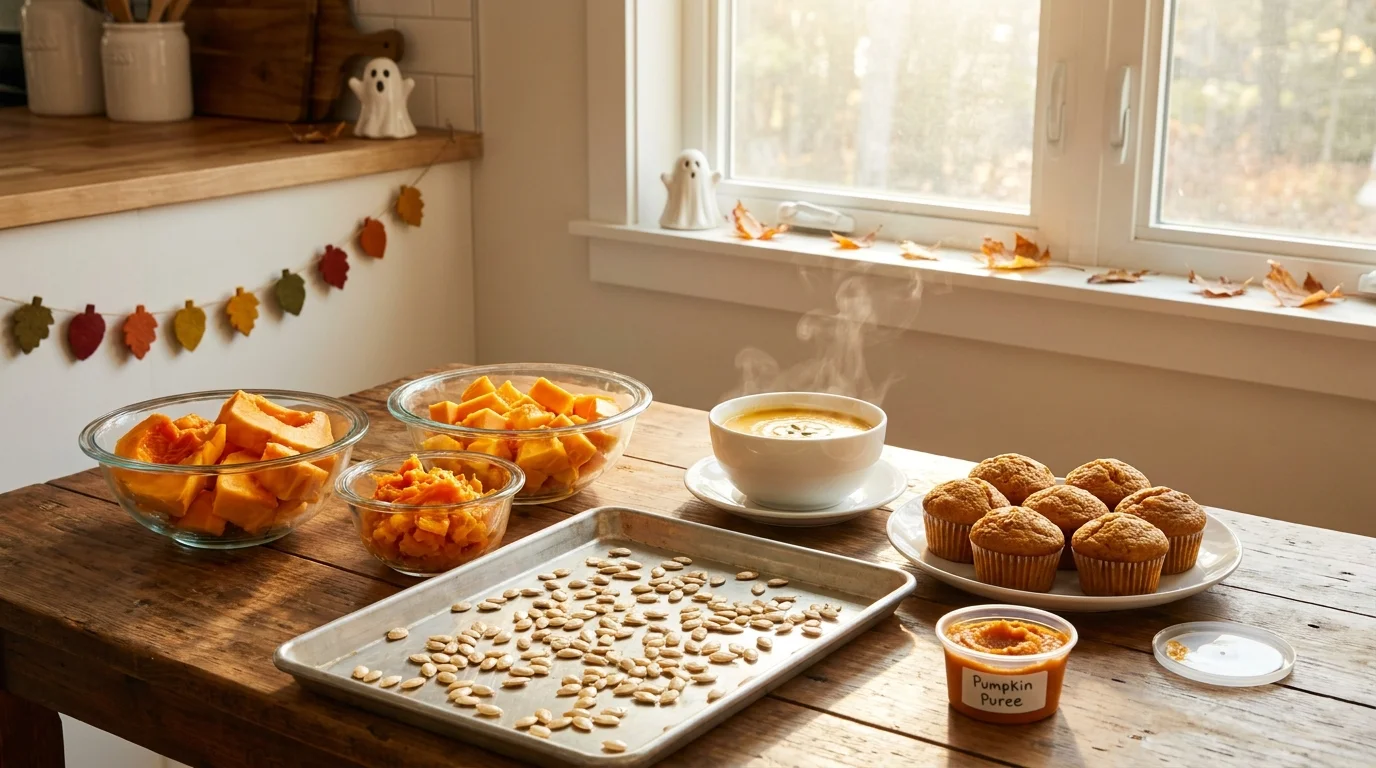
You can freeze cooked rice, soup, bolognese sauce, chopped herbs, grated cheese, bananas for smoothies, and leftover tomato paste in ice cube trays. Don't refreeze thawed meat, salad leaves, cucumbers, or dishes with lots of mayonnaise.
Buying groceries for one becomes easier when the fridge works like a system, not a warehouse. Keep what needs to be eaten in the coming days at the front, plan short shopping trips, and give yourself the freedom to change the menu. Then a week's worth of groceries for one won't be a source of extra expenses but a convenient supply for normal, varied eating.