High-Protein Shopping List for School and College Students: Weekly Checklist
A high-protein shopping list for school and college students is a set of simple weekly groceries that make it easy to put together breakfasts, lunches, dinners, and snacks with enough protein. The list includes budget-friendly sources (eggs, cottage cheese, chicken, legumes), on-the-go options (yogurt, tuna, cheese), and ideas for combining them without a complex kitchen. Perfect for those who study, move a lot, and want to feel fuller and recover better.
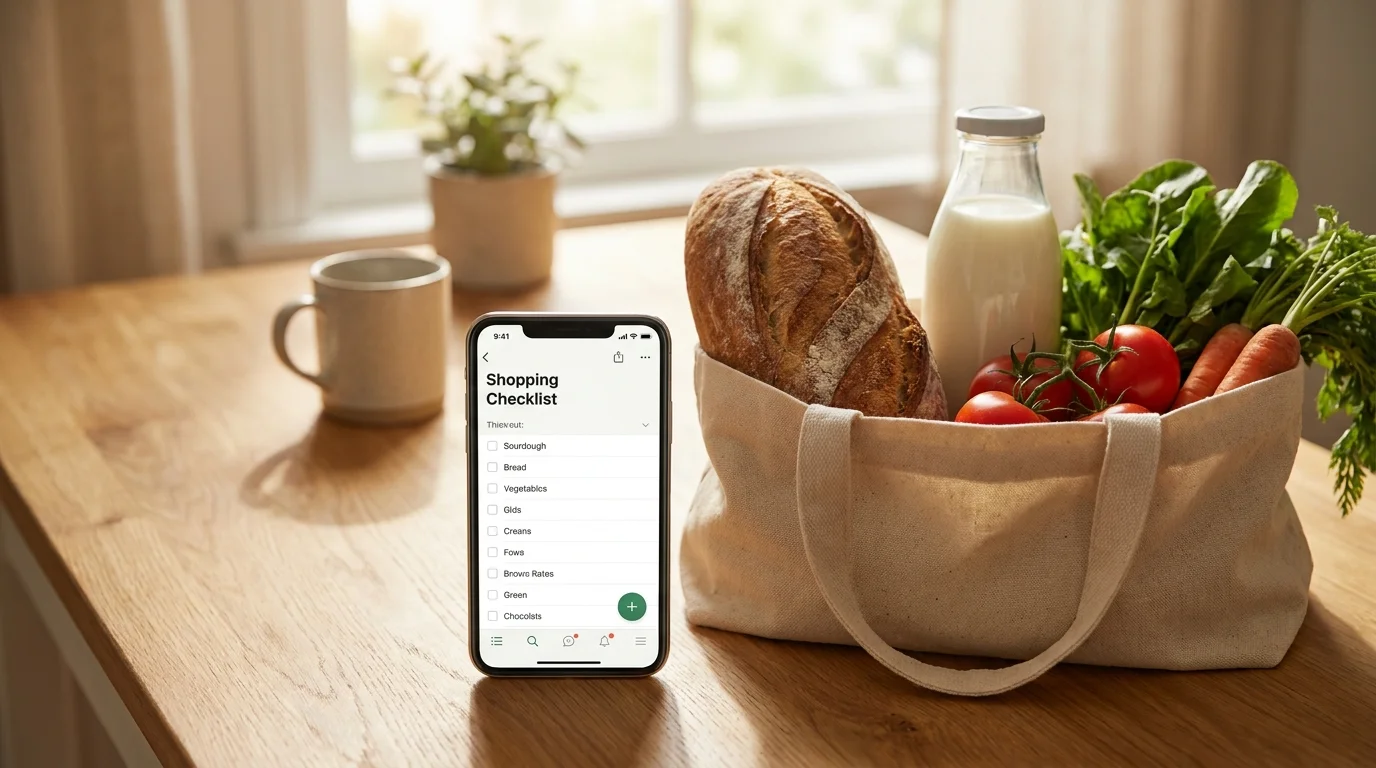
Below is a practical checklist: choose items based on your budget and what's available at the store. If you're shopping for a family or with dorm mates, it's convenient to keep a shared list in Pickt (a mini-app in Telegram) and mark purchases in real time: t.me/PicktBot/app.
1) How to Build a High-Protein Grocery Basket: Quick Guidelines
This section helps you understand what makes a list "high-protein" and how to avoid blowing your budget. Just keep 2–3 main protein sources and 2–3 quick protein snacks in your basket.
- Daily goal: Most school and college students find it easy to aim for 20–30 g of protein per main meal + 10–20 g in a snack (if needed).
- The "2+2" rule: Always have 2 "quick" proteins (cottage cheese/yogurt/eggs) and 2 "main" proteins (chicken/fish/ground meat/legumes) in the fridge.
- Protein + fiber: Add vegetables, grains, whole-grain bread — this increases satiety and reduces the need for snacks.
- Budget: The most cost-effective options are usually eggs, chicken thighs/drumsticks, cottage cheese, beans/lentils, liver, and frozen fish.
Related searches often paired with this topic: protein foods for students, weekly grocery list for college students, high-protein snacks, budget-friendly protein foods list.
2) Main Protein Sources (for 5–7 days): The Core of the List
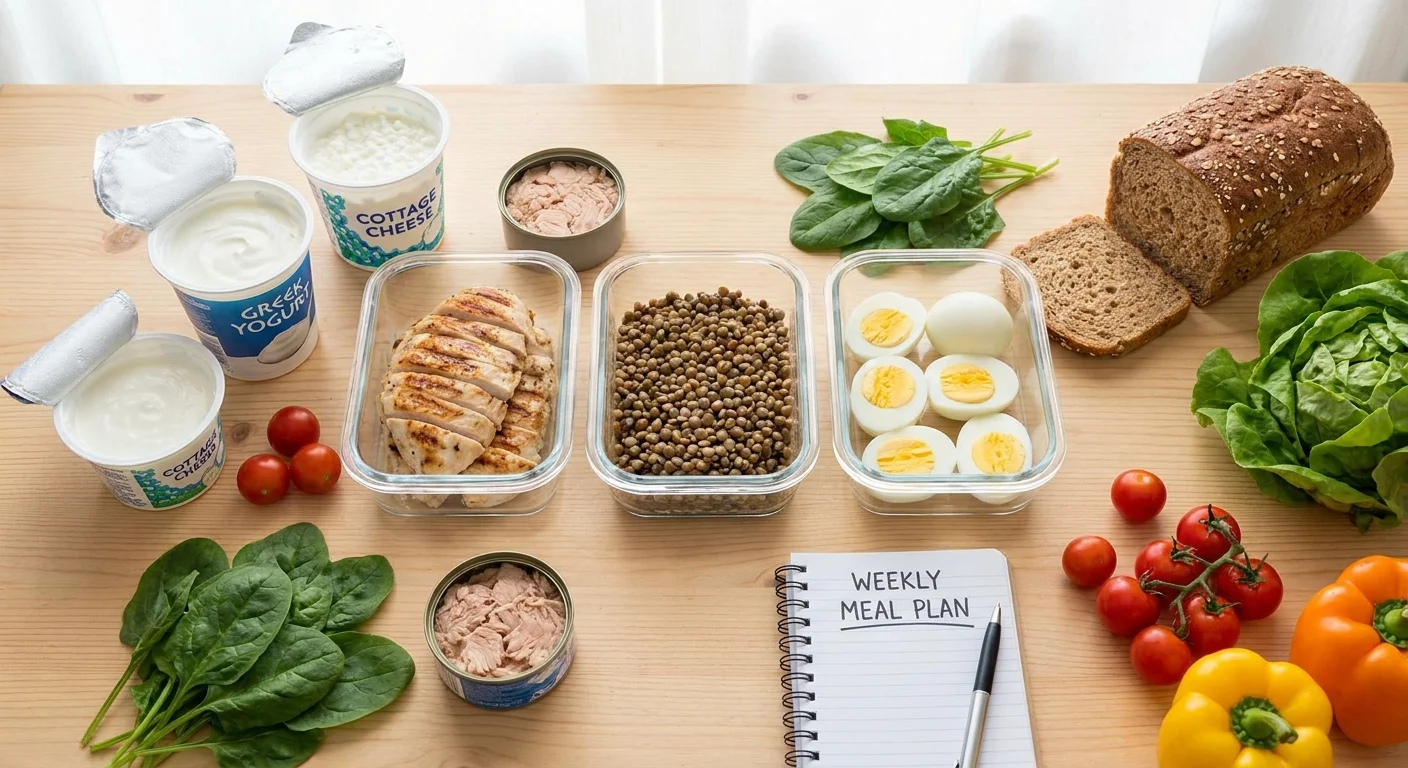
This is the foundation for lunches and dinners. Choose 4–7 items: some animal-based, some plant-based. This makes it easier to hit your protein goals, even if you get tired of eating the same thing.
- Chicken/turkey: Breast, thighs, or ground meat (great for baking, patties, pasta).
- Eggs: Omelets, hard-boiled eggs, egg salad for sandwiches.
- Cottage cheese (2–5% fat): Sweet or savory, can be added to pancakes or spreads.
- Greek yogurt/skyr (unsweetened): Quick snack, base for sauces and dressings.
- Fish: Frozen (hake, pollock, salmon on sale) or canned (tuna/sardines).
- Lean beef/pork or liver: If you can cook, this is a good "dense" protein.
- Legumes: Lentils, chickpeas, beans (dried or canned).
- Tofu/tempeh (optional): Especially handy for those reducing meat.
3) High-Protein Snacks "for School/Classes"
This section is about protein without cooking: grab, eat, go. Useful when there's a long break between classes and you want to avoid sweets and fast food.
- Yogurt/skyr (150–250 g) + banana/berries (filling and quick).
- Single-serving cottage cheese or cottage cheese + honey/fruit.
- Cheese (portioned/slices) + whole-grain crackers.
- Tuna in water (mini can) + bread/rice cakes.
- Hard-boiled eggs (2 pcs.) + cucumber/cherry tomatoes.
- Hummus + carrots/celery/pita bread.
- Nuts (small portion) — not a protein powerhouse, but helps with calories and prevents cravings for sweets.
- Protein bar/shake — a backup for days when there's absolutely no time (check the ingredients and sugar content).
Tip: Put together a "snack pack" for the week (yogurts, eggs, crackers, tuna) so you don't have to think about it every day. In Pickt, you can easily create a separate "Snacks for Class" list and share it with parents or roommates to avoid buying duplicates.
4) Sides and Add-ons That Boost Protein Without Breaking the Bank
Protein isn't just meat. The right sides and add-ons make meals more balanced and often add 5–15 g of protein without extra cooking.
- Grains: Buckwheat, oatmeal, bulgur, brown rice (better than "empty" snacks).
- Durum wheat pasta or legume-based pasta (if available).
- Whole-grain bread/pita — for quick rolls with chicken/tuna.
- Frozen vegetables: Stir-fry mixes, broccoli, spinach (speed up cooking).
- Fresh vegetables: Cucumbers, tomatoes, cabbage, salad mixes (for volume and fiber).
- Fruits and berries: As a "dessert" for cottage cheese/yogurt.
- Protein-boosting sauces: Greek yogurt as a base for garlic sauce/tzatziki.
- Seeds (pumpkin, sunflower): Sprinkle on salads and porridge.
5) Ready Daily Combinations: Menu Builder from the List
This section shows how to assemble a clear eating routine from your groceries. Pick one option for each meal and repeat 2–3 times a week, switching up flavors.
Breakfasts (choose 1)
- Omelet with 2–3 eggs + whole-grain toast + vegetables.
- Cottage cheese (200 g) + berries/banana + a few nuts.
- Oatmeal with milk/water + a spoonful of yogurt/skyr on top.
Lunches (in a container)
- Chicken/turkey + buckwheat/rice + vegetables (the most versatile option).
- Tuna + pasta + vegetable salad (quick and easy).
- Lentils/chickpeas + vegetables + yogurt sauce (if you want less meat).
Dinners (quick and filling)
- Baked fish + frozen vegetables sautéed in a pan.
- Ground meat (patties/meatballs) + salad + bread/grain as desired.
- Tofu + vegetable mix + soy sauce (5–10 minutes in a pan).
Snacks (as needed)
- Yogurt/skyr or cottage cheese.
- Eggs + vegetables.
- Hummus + pita/crackers.
6) High-Protein Weekly Shopping List (Checklist)
Below is a ready-made "high-protein shopping list for school and college students" that can be adapted for 1–2 people. Check off what works for you and add it to a shared list if you're shopping together.
Protein Foods (Core)
- Chicken/turkey: 1–1.5 kg
- Eggs: 20–30 pcs.
- Cottage cheese: 1–1.5 kg (or 5–7 servings)
- Greek yogurt/skyr: 1–2 kg (or 7–10 servings)
- Frozen fish: 0.8–1.2 kg
- Canned goods: tuna/sardines 3–6 cans
- Legumes: lentils/chickpeas/beans 0.6–1 kg (or 4–6 cans)
- Cheese: 300–500 g
Sides and "Binding" Foods
- Buckwheat/rice/bulgur: 1–1.5 kg total
- Oatmeal: 0.5–1 kg
- Durum wheat pasta: 0.5–1 kg
- Whole-grain bread/pita: 1–2 packages
- Crackers: 1–2 packages
Vegetables, Fruits, Frozen Items
- Fresh vegetables: cucumbers, tomatoes, cabbage/salad (for 5–7 days)
- Frozen vegetables: 2–4 packages
- Fruits: bananas/apples/seasonal (for the week)
- Frozen berries (optional): 1 package
Sauces and Small Items That Save the Flavor
- Olive/vegetable oil
- Soy sauce/mustard
- Garlic, lemon
- Salt, pepper, paprika, curry
- Hummus (store-bought) or ingredients for it
If you're shopping for two (e.g., a couple or roommates), split the list into "shared" and "personal." In Pickt, you can easily do this with separate lists and mark purchases as someone goes to the store.
Conclusion. A high-protein shopping list for school and college students works best when it's simple: 4–6 basic protein foods, 3–4 convenient snacks, and straightforward sides. Put together your basket once, repeat successful combinations, and only change up the spices and vegetables — this way you'll consistently hit your protein goals without overspending or complicated cooking.
Frequently Asked Questions
How much protein does a school or college student need per day?
The exact amount depends on age, weight, and activity level. A practical guideline is 20–30 g of protein per main meal and 10–20 g per snack if needed. For chronic conditions, it's best to consult a doctor.
Can I build a high-protein list without meat?
Yes. The base can be eggs and dairy (if suitable), along with legumes, tofu, chickpeas, lentils, beans, plus yogurt/skyr. It's important to combine legumes with grains and vegetables for a variety of amino acids and satiety.
What are the most budget-friendly protein foods?
Most often, these are eggs, cottage cheese, chicken thighs/drumsticks, liver, lentils and beans, as well as frozen fish and canned goods on sale. Buying in bulk and freezing in portions significantly reduces the cost.
What can I take to class if there's no fridge?
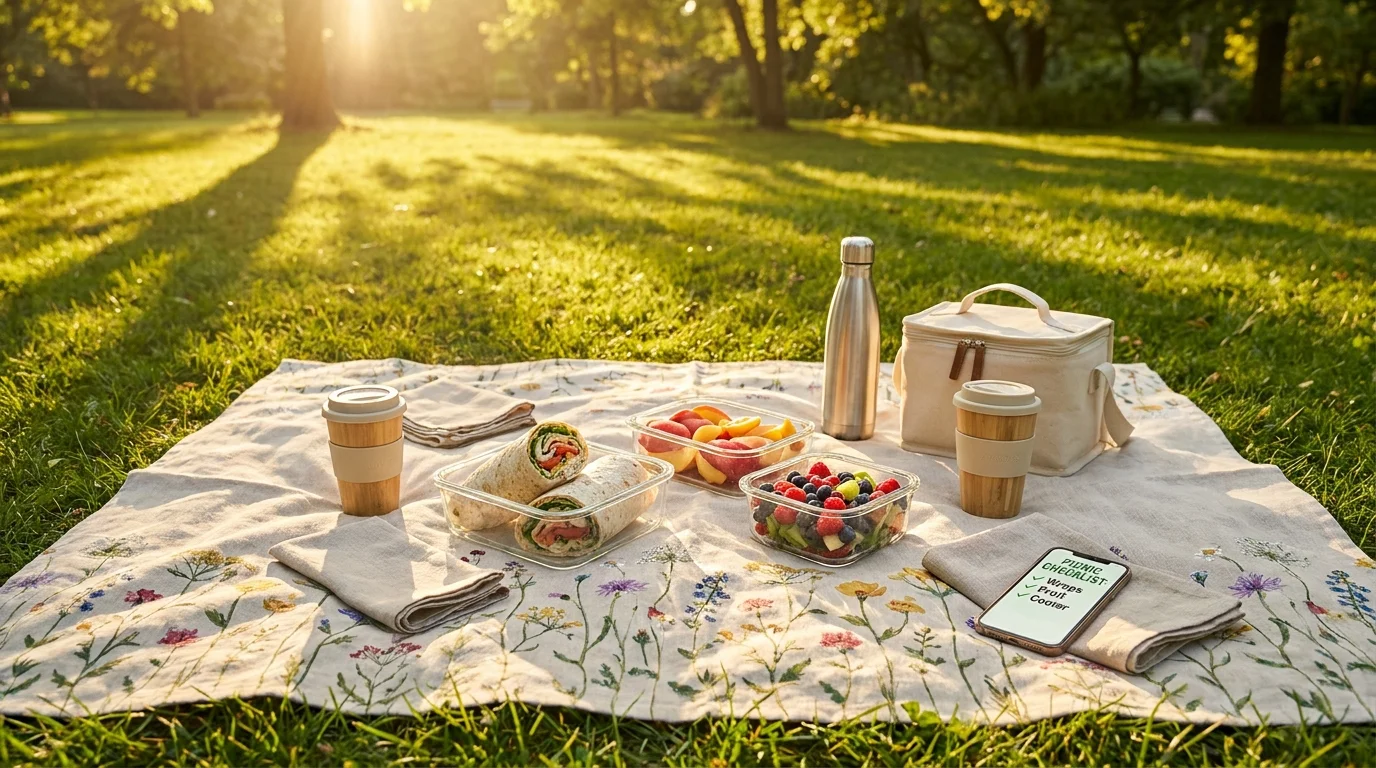
Good options include tuna in a mini can, crackers, a small portion of nuts, whole-grain bread with cheese, and a protein bar as a backup. If you have a thermal bag/cool pack, add yogurt or cottage cheese.