Freezing vegetables seems understandable and familiar: you bought broccoli, chopped peppers, put away berries—and done. But freezing ready meals is still underestimated. Yet a container of homemade soup, a portion of pilaf, or meatballs in sauce can save an ordinary Tuesday when at 7 PM the whole family is hungry, there's no energy, and you don't want to order delivery.
Cooking in advance for a week or even preparing dinners a month ahead is not about living on a strict schedule or filling the freezer with identical food. It's about having a stock of solutions. On one weekend day, you cook several base dishes, eat some immediately, and portion out the rest. On weekdays, all you need to do is thaw, reheat, and add fresh salad, bread, or a side dish.
How to Organize a Big Cooking Day Without Fatigue
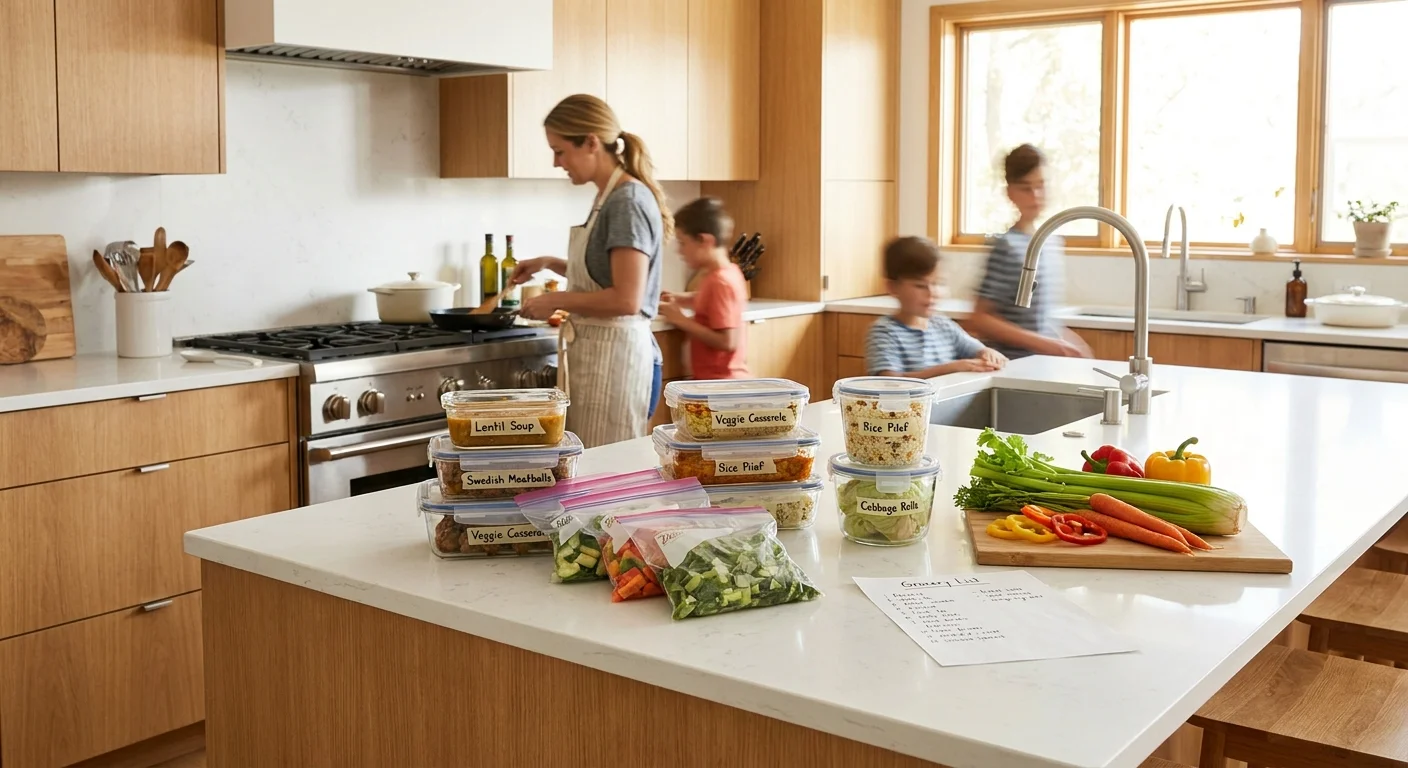
The main rule of batch cooking: don't try to prepare ten complex recipes. Choose 5–6 dishes that share ingredients and processes. For example, ground meat will be useful for cutlets, meatballs, and stuffed cabbage rolls, and a tomato base for stew, sauce, and soup.
Timing for One Weekend Day
- 09:00–09:30. Clear the work surface, prepare containers, bags, a marker, and labels. Start boiling broth or a large pot of soup.
- 09:30–10:30. Chop vegetables for all dishes at once: onions, carrots, peppers, cabbage. Send some to the soup, some to the stew and sauce.
- 10:30–12:00. Make the ground meat: form cutlets and meatballs, wrap stuffed cabbage rolls. While they bake or simmer, prepare the tomato sauce.
- 12:00–13:00. Start pilaf, stew, or casserole. In parallel, knead pizza dough or bake pancakes.
- 13:00–14:00. Have lunch with part of the cooked food and let the rest cool to room temperature.
- 14:00–15:30. Portion out the food, label the packages, and place them in the freezer in thin layers.
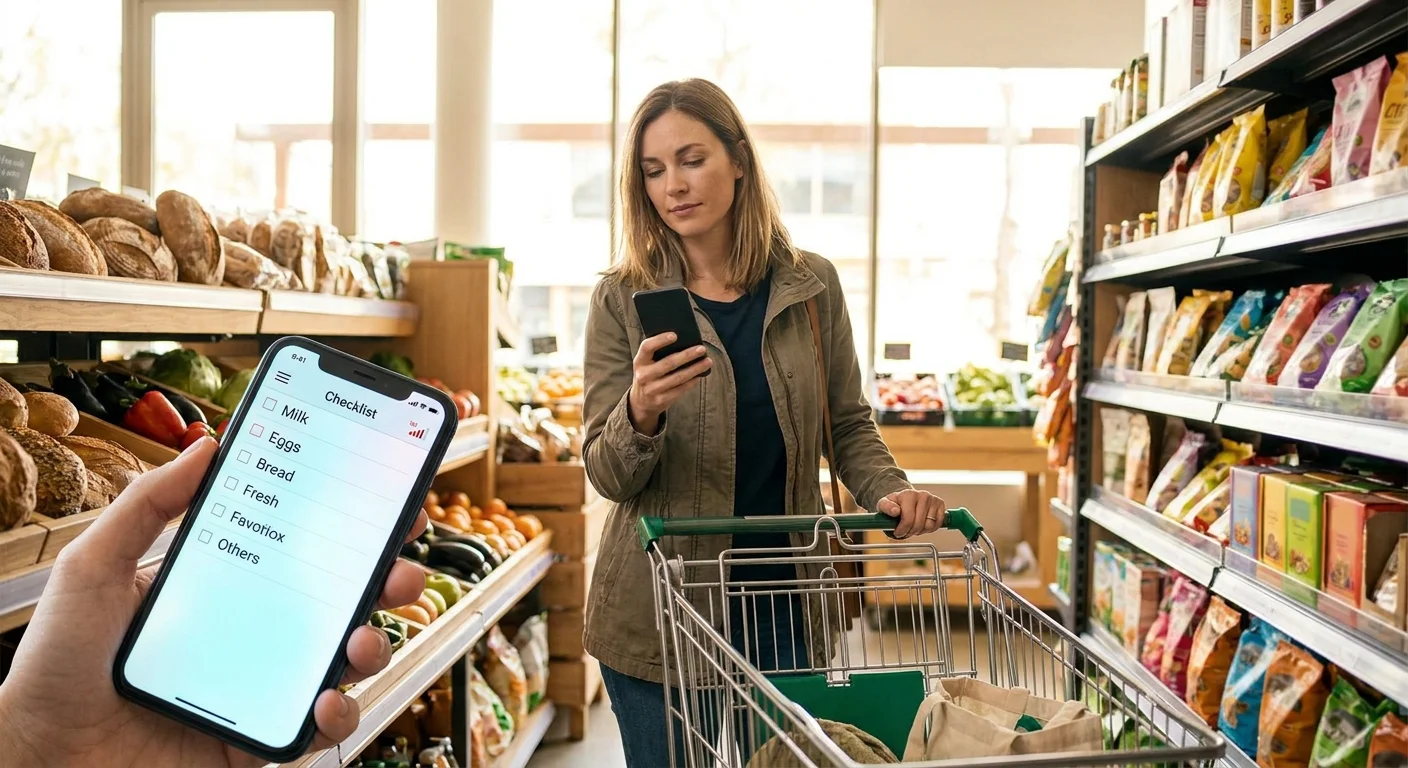
Shopping for a big cooking day is one long list that's convenient to split among adults. For example, in Pickt you can keep shared shopping lists right in Telegram: one person takes meat and dairy products, another takes vegetables, grains, and household items. This way, the store visit goes noticeably faster.
Unified Shopping List for a Family of 4
- Meat and poultry: mixed ground meat—2 kg, chicken fillet or thighs—1.5 kg, beef for stew—1 kg.
- Vegetables: onions—2 kg, carrots—1.5 kg, cabbage—1 large head, bell peppers—1 kg, zucchini—1 kg, tomatoes or canned tomatoes—2 kg, garlic—2 heads, fresh herbs.
- Grains and staples: rice—1.5 kg, buckwheat—800 g, pasta—1 kg, flour—1 kg, potatoes—2 kg.
- Dairy and eggs: eggs—20 pieces, cheese—500 g, cottage cheese—500 g, milk—2 L.
- Additional: tomato paste, vegetable oil, butter, breadcrumbs, spices, bay leaves, salt, sugar, zip-lock bags, and containers.
Which Dishes Freeze Well and Which Don't?
Freezing ready meals works best with food that has sauce, broth, grains, meat, or stewed vegetables. After gentle thawing, such dishes barely lose texture or flavor. Portion formats are especially convenient: one package equals one family dinner or two adult servings.
Champion Dishes for the Freezer
- Soups without potatoes: borscht, cabbage soup, lentil, chicken noodle, vegetable cream soup without cream.
- Stews of meat, poultry, beans, and vegetables.
- Cutlets, meatballs, and meatballs—cooked or formed raw.
- Casseroles: meat, cottage cheese, vegetable with cheese.
- Stuffed cabbage rolls and stuffed peppers.
- Tomato, meat, and vegetable sauces for pasta.
- Pizza dough, pie dough, and homemade baking preparations.
- Pancakes with meat, cottage cheese, or apple filling.
- Pilaf, buckwheat with meat, rice with vegetables.
There are foods that become watery, separate, or lose their pleasant texture after freezing. Don't freeze salads of fresh vegetables, dishes with mayonnaise, boiled eggs, fresh cucumbers, or herbs as a standalone side. Potatoes in soup often become mushy and sweet after thawing, so it's better to add them fresh when reheating. Cream sauces are also finicky: they can separate. If you need a sauce, freeze the tomato or meat base and add cream after thawing.
Packaging and Labeling: Order That Saves Money
Good packaging protects food from odors, drying out, and forgetfulness. For soups, stews, and pilaf, choose plastic or glass containers designed for freezing. Don't fill them to the brim: liquid expands. For cutlets, pancakes, stuffed cabbage rolls, and dough, use sturdy zip-lock bags. Squeeze out excess air and freeze in flat layers—this way bags take up less space and thaw faster.
Portioning matters more than container size. For a family of four, it's convenient to make packages for one dinner: for example, 1.2–1.5 kg of stew or 12–14 meatballs. Separately, it's useful to have 2–3 small portions for a late dinner, a school lunch, or a day when not everyone is home.
On each package, write the dish name, preparation date, and number of servings. The format 'Meatballs in tomato—15.09—4 servings' takes five seconds but saves you from a guessing game three weeks later. Use the oldest frozen items first.
How to Thaw So It Tastes Great?
The safest and most delicious way is to move the dish from the freezer to the refrigerator 8–12 hours before dinner. Take the container out in the morning, reheat in the evening. If you didn't plan ahead, use the microwave on the defrost setting or reheat food directly from frozen over low heat.
- Soups and stews: transfer to a pot, add 2–4 tablespoons of water or broth, heat under a lid, stirring occasionally.
- Cutlets, meatballs, stuffed cabbage rolls: best reheated in the oven under foil at 170–180 °C or simmered in sauce in a skillet.
- Casseroles: thaw in the refrigerator, then warm in the oven for 20–30 minutes.
- Pancakes: place on a dry skillet under a lid or in the oven without waiting for full thawing.
- Pilaf: reheat in a skillet with a spoonful of water, gently breaking up clumps with a spatula.
Don't thaw ready meals at room temperature for the whole day and don't refreeze already thawed dishes. Reheat until hot throughout, especially meat and poultry.
How Much Freezer Space Do You Need for a Month of Dinners?
For a family of four, you don't need to store 30 full dinners at once. A realistic goal is a stock of 12–16 family meals plus a few small portions. That's about 18–25 liters of useful freezer volume if you use flat bags and stackable containers.
A practical scheme: 4 containers of soup, 4 packages of stew or pilaf, 4 bags of cutlets or meatballs, 2 casseroles, 2 packages of stuffed cabbage rolls, and a few bags of pancakes or dough. This set covers two to three weeks of dinners, considering fresh food, restaurant outings, and usual family plans. If your freezer is small, start with cooking in advance for a week: that already noticeably lightens your evenings.
Storage Times and a Quick Dinner Plan
At a stable temperature of −18 °C, home-cooked dishes maintain quality for several months, but they taste best within the first 1–3 months. The table will help you plan the menu and avoid keeping stock too long.
| Dish | Freezer Storage Time | How to Reheat |
|---|---|---|
| Soup without potatoes | 2–3 months | In a pot over low heat, add a little water |
| Stew | 2–3 months | In a pot or skillet under a lid |
| Cutlets and meatballs | 2–3 months | In the oven under foil or in sauce in a skillet |
| Casserole | 1–2 months | In the oven at 170–180 °C until fully heated |
| Stuffed cabbage rolls | 2–3 months | Simmer in sauce under a lid |
| Tomato sauce | 3 months | In a saucepan, then combine with pasta |
| Pancakes with filling | 1–2 months | In a skillet under a lid or in the oven |
| Pilaf | 1 month | In a skillet with 1–2 spoons of water |
When making a batch cooking grocery list, think not only about recipes but also about weekdays: which days you return late, when kids have activities, and when you just want a calm dinner together. Freezing ready meals doesn't replace fresh cooking—it gives you options. And that choice is especially valuable at seven in the evening.