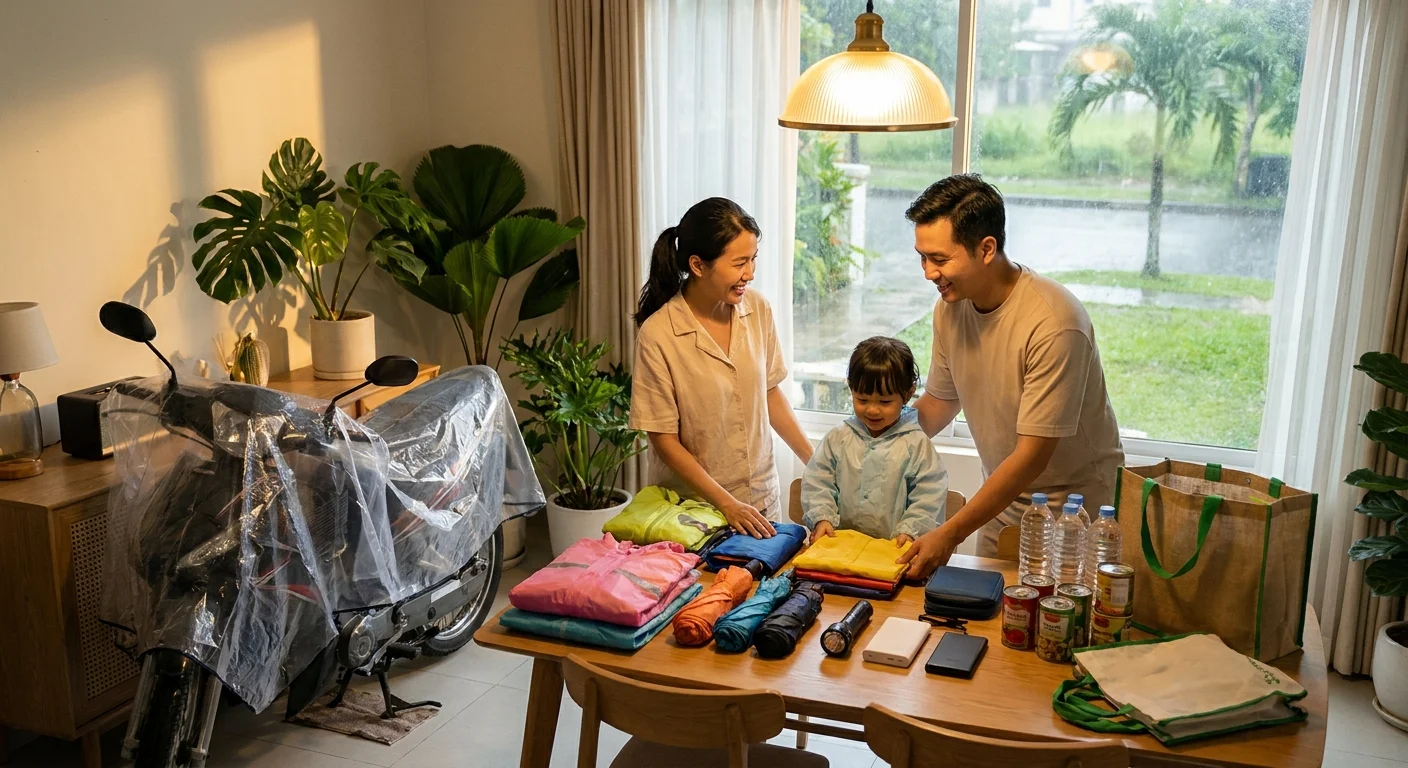
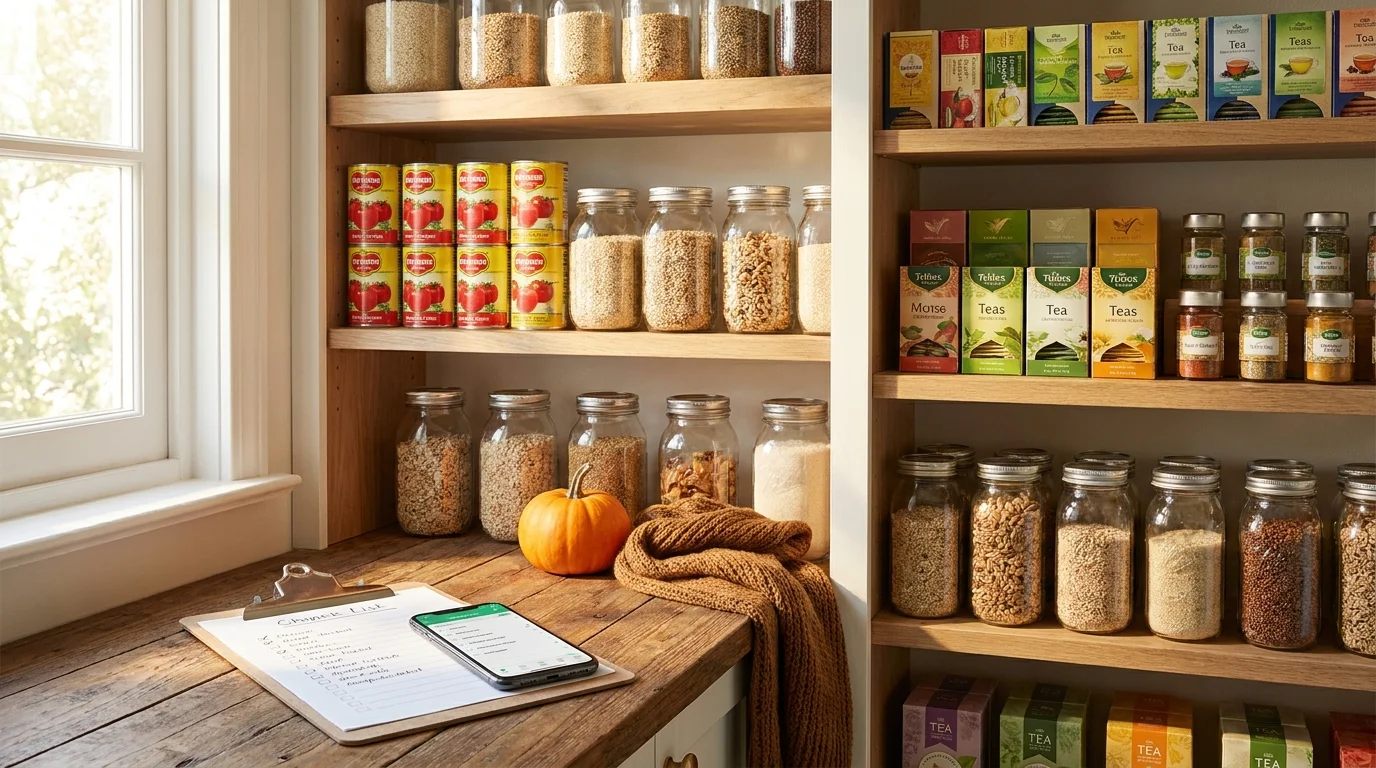
This fall home essentials checklist is a short but comprehensive list of what to have on hand for the rainy season, colds, and temperature swings: long-lasting food, frozen items, household chemicals, a first-aid kit, warm items, and minor repair supplies. Below are ready-made items for a family, couple, or shared apartment to cover daily needs and avoid running to the store for every little thing.
In fall 2026, it's especially convenient to stock up in advance: seasonal viruses, short daylight hours, and frequent rain make "quick trips to the store" less pleasant. Use this checklist as a base and adjust it to your diet, allergies, and household composition.
1) Long-lasting Food for 2–3 Weeks (Dietary Staples)
This section forms the basic "skeleton" of your diet. It helps you get through busy weeks when you don't have time to cook complex meals and reduces the number of trips to the store on rainy days.
- Grains and Sides: rice, buckwheat, oatmeal, bulgur/couscous, pasta, lentils/chickpeas/beans (dried or canned).
- Canned Goods and Ready Bases: tomatoes in their own juice, corn/peas, tuna/sardines, beans, vegetable mixes, bouillon cubes or concentrate.
- Flour and Baking: flour, baking powder/baking soda, yeast, breadcrumbs, crackers/crispbread.
- Oils and Sauces: vegetable oil, olive oil (optional), vinegar, soy sauce, tomato paste, mustard, mayonnaise/yogurt sauce.
- Breakfasts and Snacks: muesli/granola, nuts, dried fruit, protein/grain bars, dark chocolate.
- Drinks: tea (including herbal), coffee, cocoa, mineral water, lemons (some can be frozen in slices).
- Sweet Treats "for Mood": honey, jam, condensed milk (according to preferences).
- Spices: salt, sugar, black pepper, paprika, curry, cinnamon/ginger, bay leaf.
Tip: if you're looking for "what to buy in bulk for fall," start with 10–12 items from this list and replenish as you use them—it's easier than buying everything at once.
2) Fall "Quick Meals": Frozen Foods and Soup/Stew Prep
In fall, you crave hot food more often: soups, stews, porridge. Frozen foods and basic prep save time and help you eat more consistently when your schedule is tight.
- Base Vegetables: onion, carrots, potatoes, garlic, pumpkin, cabbage (white/cauliflower), beets.
- Frozen Items: broccoli/cauliflower, green beans, spinach, vegetable mixes, berries (for porridge and drinks).
- Protein: chicken/turkey, ground meat, fish, eggs; for long-lasting options—canned fish, legumes.
- Quick Bases: frozen broth in portions, tomato base, sautéed onions and carrots in portions.
- Bread and Alternatives: bread for freezing, lavash/tortillas, dry crispbread.
Mini weekly plan: keep 2 types of grains, 1–2 types of frozen items, and 1–2 protein products—from these, you can make soup, stew, pasta, or a warm salad in 20–30 minutes.
3) Household Consumables and Cleaning (So You Don't Run Out of Essentials)
This block is the main reason why "home supplies" truly save the day. In fall, consumables are used up faster: more laundry, wet shoes, dirt from the street.
- For the Kitchen: dish soap, sponges, brushes, dishwasher tablets/powder (if applicable), paper towels, foil/parchment paper, trash bags, containers or zip bags.
- For the Bathroom: toilet paper, soap/shower gel, shampoo, toothpaste/floss, feminine hygiene products, cotton pads/swabs.
- For Cleaning: all-purpose cleaner, bathroom cleaner, glass cleaner, wipes/microfiber cloths, gloves, floor cleaner.
- For Laundry: detergent/powder, fabric softener (optional), stain remover, laundry bags, lint roller.
- For Shoes and Entryway: water-repellent spray, shoe cream/wax, brush, doormat, wet wipes for quick cleaning.
Life hack for shared apartments: set up a separate "consumables shelf" and restock when only one package remains. This makes it easier to follow the fall home essentials checklist without last-minute rushes.
4) First-Aid Kit and Cold Season: Minimum for Fall 2026
This section does not replace a doctor's consultation but helps you gather a reasonable minimum. In fall 2026, colds, allergy flare-ups, and dry air from heating are common.
- Thermometer (preferably digital) and batteries for it.
- Antipyretic/pain reliever (according to age and contraindications).
- Sore throat remedies (lozenges/spray), saline nasal spray.
- Digestive aids: sorbent, rehydration salts, mild heartburn remedy (as needed).
- Bandages and dressings: plasters of various sizes, sterile wipes, bandage, antiseptic.
- Chronic medications: a 2–4 week supply (as prescribed by a doctor).
- Useful extras: masks, hand sanitizer, moisturizing cream/lip balm.
Seasonal check: expiration dates, package integrity, availability of instructions and dosages for children (if applicable). This is an important part of your fall home checklist.
5) Warmth, Comfort, and Safety: What to Buy Before the First Cold Snap
Fall is when the apartment gets cooler and the streets get darker. This list helps you prepare for dampness, drafts, and minor household issues.
- Textiles: a warm blanket, an extra set of bed linen, towels, a bathroom rug.
- Home Clothing: warm socks, slippers, loungewear, raincoat/umbrella.
- Heating and Air: humidifier (if needed), replacement filters, hygrometer, salt/baking soda for household tasks.
- Lighting and Electronics: light bulbs, extension cord/power strip, batteries (AA/AAA), power bank.
- Safety: mini fire extinguisher (if relevant), smoke detector (if possible), flashlight.
- Anti-slip and Dampness: mold remover (if there are issues), dehumidifying granules for closets, anti-slip stickers for the bathroom.
If there are children or elderly at home: add a night light in the hallway and a non-slip mat at the entrance—wet shoes in fall increase the risk of falls.
6) How to Maintain a Shared Checklist and Avoid Overbuying (Family, Couple, Roommates)
The main problem with supplies isn't a shortage but duplicates: two bags of salt, three dish soaps, and not a single trash bag. It's most convenient to keep a single list and note who buys what.
- Divide the list into zones: kitchen, bathroom, first-aid kit, entryway, "warmth and light."
- Set minimum stock levels: for example, "toilet paper—at least 2 rolls," "grains—1 package in reserve."
- Agree on brands and sizes: this reduces arguments and returns.
- Add items as needed: see something running low—add it to the list immediately.
For shared purchases, it's convenient to use Pickt—a free mini-app in Telegram with real-time synchronization: open a shared list, assign items, and see what's already been bought. Bot: t.me/PicktBot/app.
Related queries this checklist covers: "what to buy in bulk for fall," "fall home supplies," "fall shopping checklist for family," "list of long-lasting food."
Conclusion
The fall home essentials checklist isn't about "stocking up for six months" but about peace of mind: hot meals without extra trips to the store, consumables at hand, a ready first-aid kit, and comfort during the first cold spells. Take the checklist above, mark the essentials, and leave room for your habits—this way, fall 2026 will be more organized.
If the list is shared, keep it in one place and update it as items are used. In Pickt, it's easy to do this together: someone adds an item, someone buys it, and real-time synchronization eliminates duplicates and forgotten items.
Frequently Asked Questions
How much should I stock up for fall: a week, two weeks, or a month?
Optimal is basic food and consumables for 2–3 weeks, and the first-aid kit and batteries with a reserve and considering expiration dates. For a small kitchen, it's better to restock more often than to store excess.
What foods are best for fall supplies?
Grains, legumes, tomatoes/vegetable cans, frozen items, tea/cocoa, eggs, and a few protein options (meat/fish/legumes). They easily come together in soups, stews, and hot breakfasts.
How to avoid expiration in the home pantry?
Use the FIFO principle: new items go to the back, old ones to the front. Do a 10-minute inventory once a month: what's running low, what needs to be bought, what should be used in upcoming meals.
How to maintain a shared shopping list to avoid buying the same thing?
Keep one shared checklist and mark the "bought" status. In the Pickt mini-app in Telegram, it's convenient: the list syncs between all participants, and you can see who has already bought what.