Grocery Delivery vs. Going to the Store: Which is Cheaper in 2026
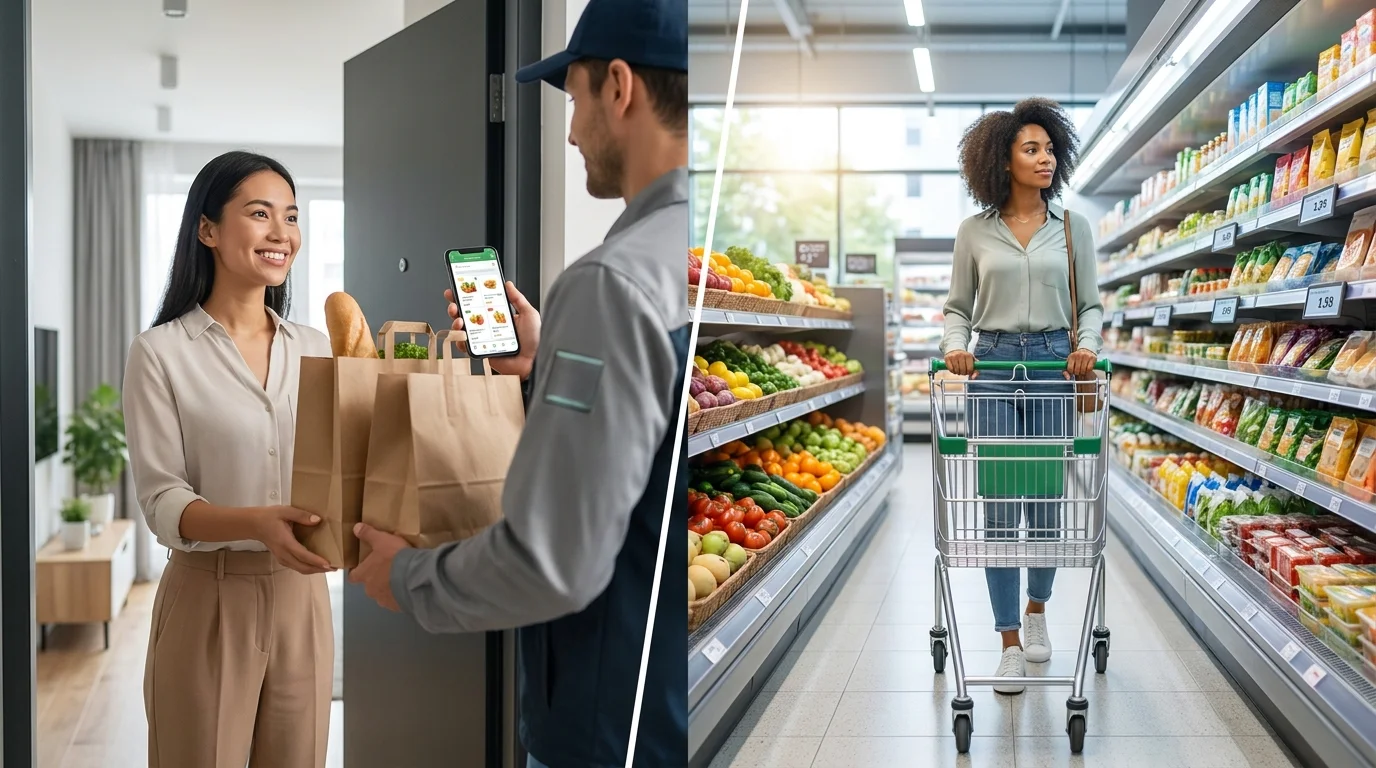
In 2026, going to the store is generally cheaper if you shop with a list, compare prices, and don't buy extra. Delivery is more advantageous when you do a large weekly shop, catch promo codes/free delivery, and value saving time. For small top-ups of 1–2 items, the store is often cheaper due to the minimum order amount and service fees. Below is a comparison by numbers and situations to help you choose the best option.
What Makes Up the Cost: Why 'Cheaper' Isn't Just About Shelf Prices
When discussing 'grocery delivery vs. going to the store,' people often compare only the price of goods. But the final cost is the sum of direct and hidden expenses.
For delivery, the basket price is added to by delivery/service fees, possible markups on certain items, tips (if you leave them), and the risk of substitutions and 'wrong items.' For going to the store, there are transportation costs, time, impulse purchases, and sometimes overpaying because you didn't compare alternatives.
- Direct expenses: price of goods, delivery/fees, transport to the store.
- Hidden expenses: time, impulse purchases, substitutions, bonus/cashback write-offs, losses from spoilage (if you bought too much).
- Control: in the store, it's easier to assess quality and weight; with delivery, it's easier to stick to the list and not get distracted by displays.
Comparison Table: Delivery vs. Store by Key Criteria
To make the comparison practical, look not at 'overall' but at the criteria that specifically affect your bill and shopping habits.
| Criterion | Grocery Delivery | Going to the Store | When Cheaper |
|---|---|---|---|
| Price of goods | Sometimes higher on some items; often has online promotions | Usually lower on basic items, more local discounts | Store – without promotions; delivery – with promos/discounts |
| Fees and delivery | Delivery/service fee, minimum order amount | No fees, but there is travel cost | Store – for small purchases |
| Impulse purchases | Lower: easier to stick to the list | Higher: displays, '2 for 1', checkout | Delivery – if you often buy extra |
| Quality/selection of fresh items | Risk of substitutions, not always the best selection | You choose yourself | Store – for vegetables/meat/fish 'by preference' |
| Time | Saves time, especially with saved baskets | Spends time on travel and queues | Delivery – if time is more valuable |
| Managing a family list | Convenient to coordinate the basket in advance | Harder to synchronize on the go | Delivery – for joint purchases |
When Delivery is Actually Cheaper in 2026: 5 Typical Scenarios
Delivery wins on price not 'always,' but under certain conditions. In 2026, services actively compete with subscriptions, promo codes, and personalized discounts, which can offset fees.
- Large weekly shop. The larger the basket, the smaller the share of delivery in the bill. Especially if delivery is free above a certain amount.
- You catch promo codes and personalized offers. A 10–20% discount on a category or a fixed '−300/−500' often makes delivery more profitable than the store.
- You are prone to impulse purchases offline. If in the store you almost always buy 'something for tea' and 'just in case,' delivery with a strict list reduces the final bill.
- The trip to the store is expensive. Taxi, paid parking, infrequent transport – all this turns a 'free trip' into a significant expense.
- You buy a lot of heavy items. Water, pet food, household chemicals – delivery saves not only time but also money on logistics.
Practical tip: collect a basket of basic items (cereals, dairy, household goods) online, and buy 'delicate' fresh products (berries, steaks, rare greens) offline as needed.
When Going to the Store is Cheaper: 5 Often Overlooked Cases
Going to the store remains the most predictable way to save money if you can control your choices and not overpay for convenience.
- You need to buy 5–10 items 'right now.' The minimum order amount and delivery fees make a small basket unprofitable.
- You hunt for local discounts. Offline stores often have 'yellow price tags' and markdowns on near-expiry items that are not always shown in the app.
- Accurate selection of fresh items is important. Vegetables, fruits, fish, meat – if appearance and ripeness are critical, self-selection reduces the risk of throwing away a product.
- You flexibly substitute brands. In the store, it's easier to compare weights and choose a more profitable alternative right on the shelf.
- You live near a discount store. If the store near home has low prices, delivery from a more expensive chain is rarely offset by promos.
Key point: the store is cheaper only with discipline. Without a list and budget limit, offline shopping often turns into '+20% to the bill' due to spontaneous purchases.
How to Calculate What's More Profitable for You: A Quick 3-Step Calculation
The question 'what is cheaper: grocery delivery or going to the store' is best answered not by feeling but with a simple formula. It takes 5 minutes and then works automatically.
- Compare the basket. Take the same list of items and calculate the total: for delivery (including fees/delivery/discounts) and for the store (based on price tags or a previous receipt).
- Add the cost of time. Estimate how much an hour of your time is worth, and multiply it by the duration of the trip (travel + shopping). This is not a 'fantasy' but the real price of convenience.
- Account for the average impulse surcharge. If you usually buy an extra 200–800 rubles worth of items, honestly add this to the offline option.
Mini-rule: if delivery adds less to the basket than you usually 'buy extra' in the store, then delivery can be cheaper even with the fee.
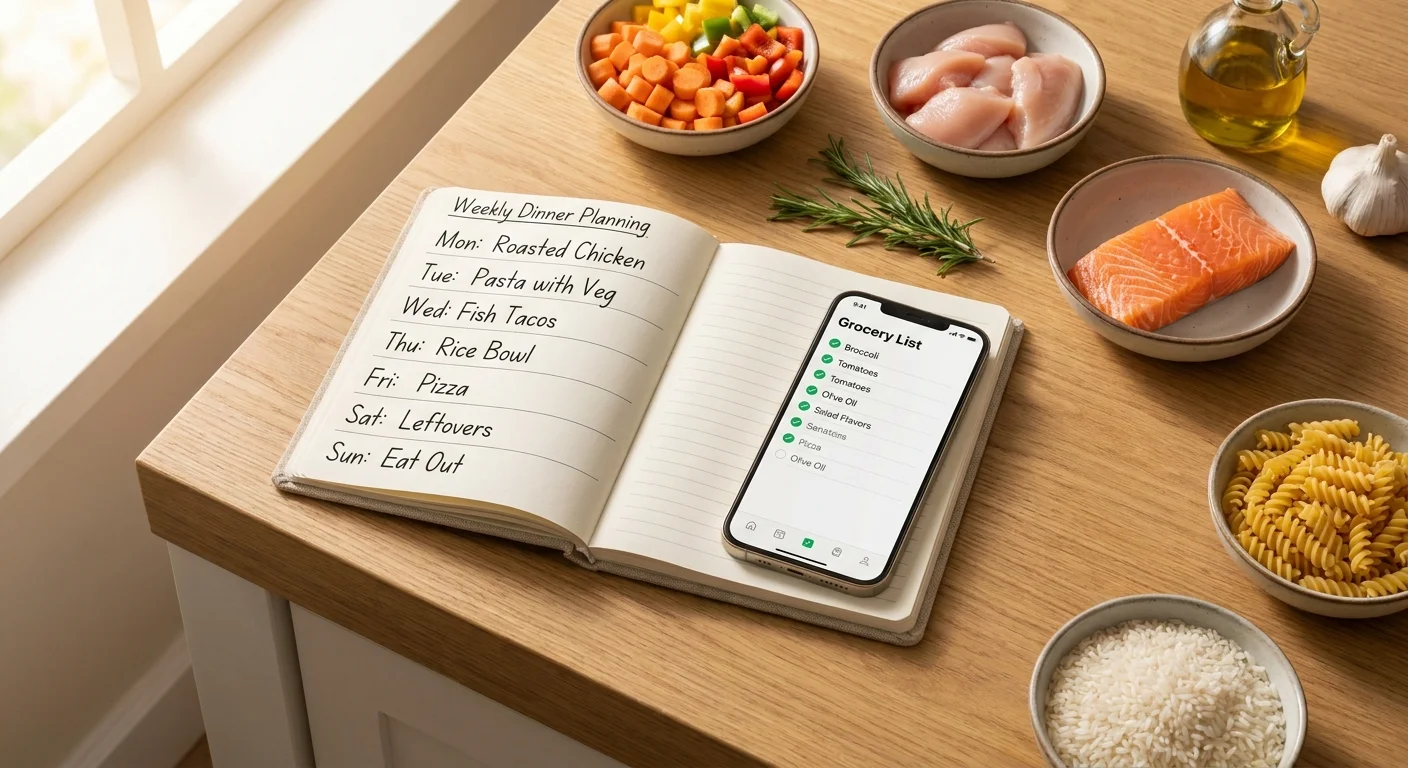
To avoid arguments in the family, it's convenient to keep a shared list and mark what has already been bought. In the free mini-app Pickt in Telegram, this is done in real time: open the list, add an item, and everyone sees the changes immediately (bot: t.me/PicktBot/app).
How to Reduce the Bill in Both Options: Practical Tips for 2026
Saving money is not just about 'where it's cheaper' but also 'how you buy.' These tips work for both delivery and going to the store, just applied differently.
For Delivery
- Prepare your basket in advance and wait 30 minutes. Often, unnecessary items are removed.
- Top up your basket to the free delivery threshold with useful staples. Cereals, paper, household chemicals – better than random snacks.
- Monitor substitutions. Allow substitutions only for 'standard' items (sugar, salt), and for fresh items, set 'no substitutions.'
- Use subscriptions and cashback wisely. A subscription is beneficial if you order regularly, not 'once a month.'
For the Store
- Go with a list and a budget limit. The list reduces impulse purchases, and the limit disciplines brand choices.
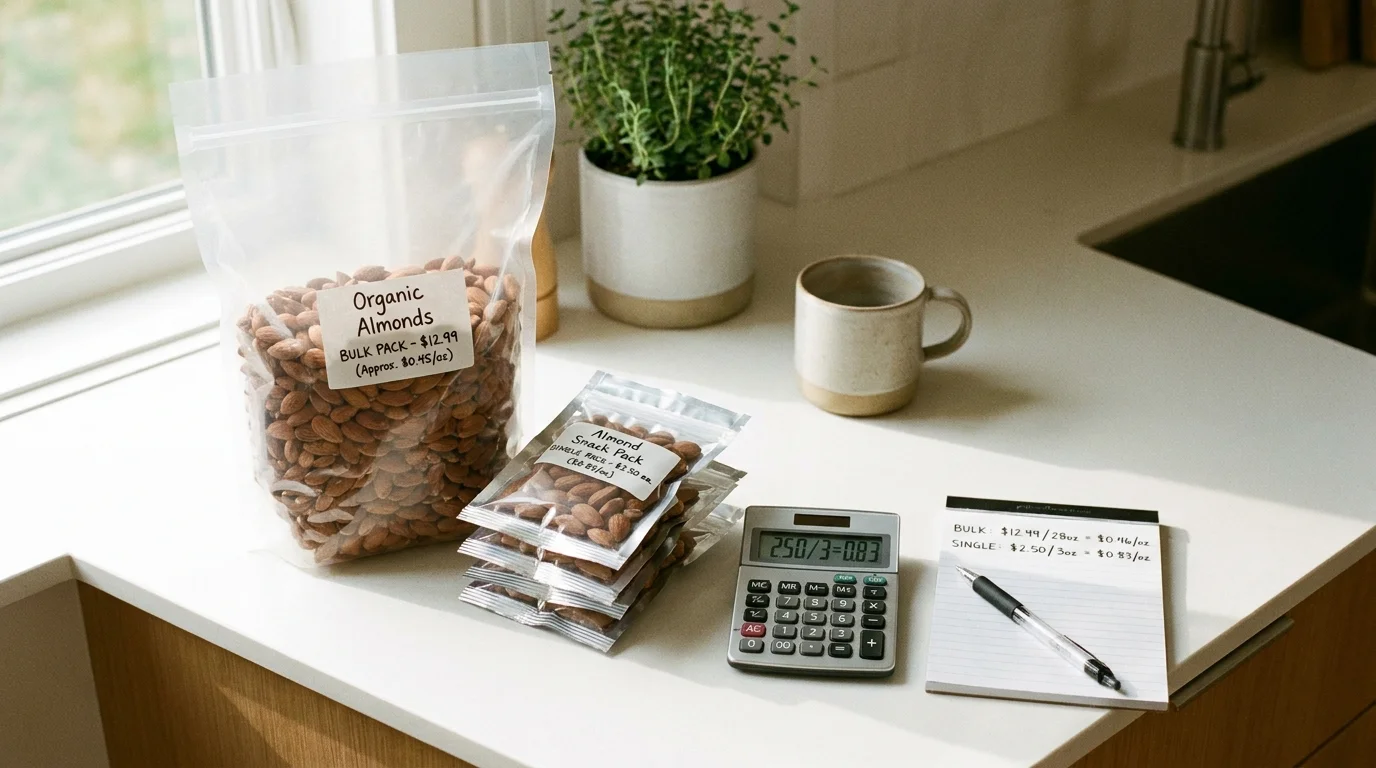
- Compare the price per 100g/kg. A larger package is not always more profitable, especially if part of it spoils.
- Don't shop hungry. This is basic, but it affects the bill more than you think.
- Separate purchases into 'basics' and 'treats.' Buy basics according to plan, and 'treats' from a pre-allocated budget.
If you shop for two/family, it's better to have a shared list to avoid buying duplicates. In Pickt, it's easy to divide the list by categories and mark purchased items – this helps keep the budget and avoid arguments about who should have bought what.
What to Choose: Recommendations for Different Cases
Below is a quick choice without complex calculations. This is the most practical answer to the query 'grocery delivery vs. going to the store' in 2026.
- Want the lowest bill and are willing to spend time: choose going to the store, but only with a list and budget limit.
- Shop once a week for a large amount: delivery is often more profitable, especially with free delivery above a threshold and promo codes.
- Need 3–7 items 'for today': almost always cheaper at the local store.
- Find it hard to resist extras offline: choose delivery and a fixed list.
- Fresh products are critical (vegetables, fruits, fish): the store is more profitable – less risk of throwing away a bad purchase.
- Family/roommates share the shopping: delivery + a shared list is convenient to coordinate the basket and avoid duplicate items.
Conclusion
In 2026, the store is often cheaper 'on price,' while delivery is cheaper 'in overall life' if it saves time and protects against impulse purchases. The best option is a hybrid: do large planned purchases via delivery, and small and 'freshness-sensitive' ones at the store. The main thing is to have a list and clear rules; otherwise, any format becomes expensive.
Frequently Asked Questions
Is it true that delivery is always more expensive due to fees?
Not always. On a large basket, fees are 'spread out,' and promo codes and personalized discounts can offset the difference. On small orders, delivery is indeed often less profitable.
What increases the bill the most in the store?
Impulse purchases and lack of a plan: sweets at the checkout, 'promotions' without need, choosing large packages that later partially spoil.
How do I know if delivery is profitable for me?
Compare the same basket in the app and on the store receipt, add the cost of travel/time, and assess your impulse spending. If delivery adds less than you usually 'buy extra' offline, it's profitable.
How to avoid buying duplicates when several people shop?
Keep a shared list where you can see what has been added and bought. For example, in Pickt (a mini-app in Telegram), the list syncs in real time, and each participant sees changes immediately.