What to Cook from 5 Basic Ingredients: A Meal Builder
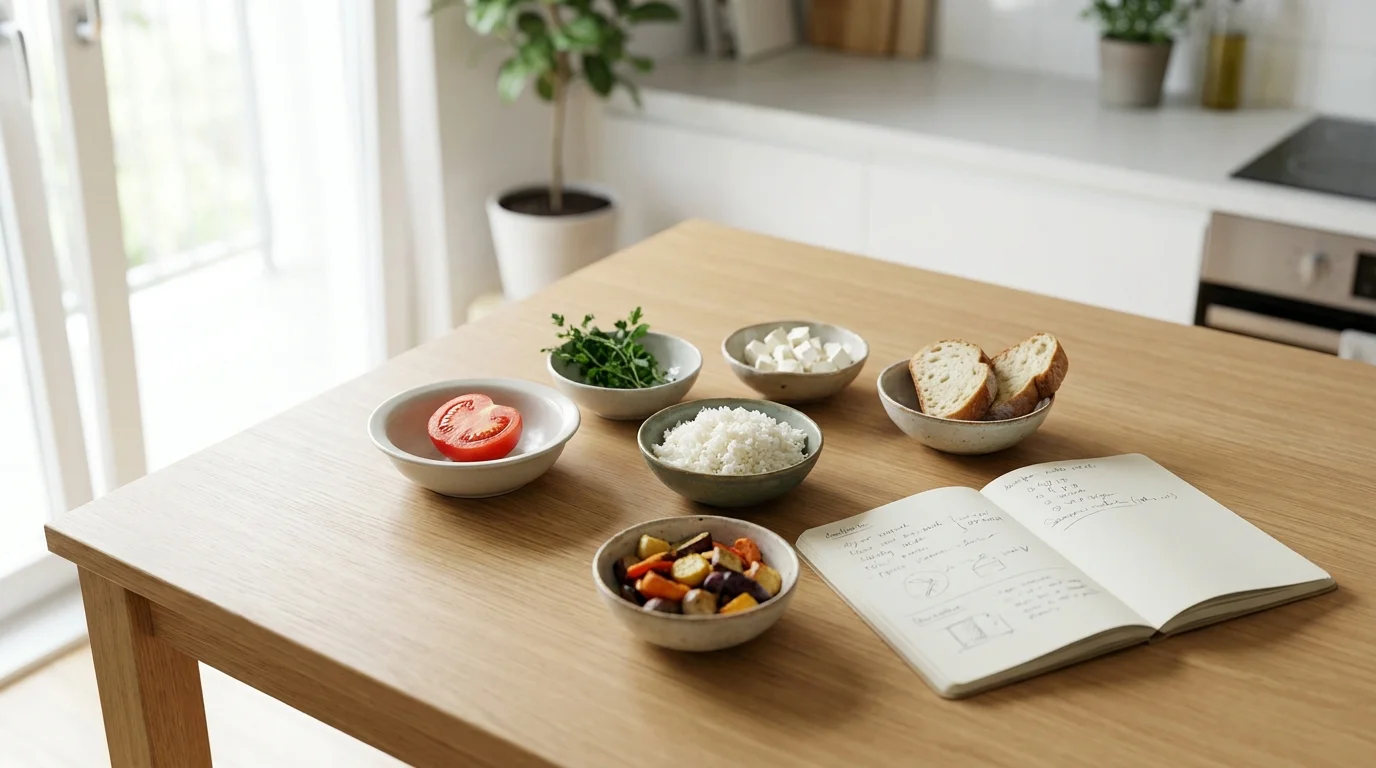
If you're looking for what to cook from 5 basic ingredients, here's a ready-made "builder": choose 1 base (grain/pasta/potatoes), 1 protein (eggs/chicken/legumes), 1 vegetable, 1 dairy/sauce, and 1 "flavor booster" (oil/spices). From these five items, you can easily put together 10–15 different dishes for your family, partner, or roommates — without complex recipes or extra shopping.
Below is a checklist on how to assemble a set, what to substitute, and what dishes you can make. It's convenient to keep this list in a shared shopping list: for example, in the free mini-app Pickt in Telegram (t.me/PicktBot/app), you can share the list and see changes in real time.
The Base: Which "5 Ingredients" to Choose (Universal Formula)
For the "five ingredients" to really work, don't pick specific brands, but roles. Then one set covers breakfast, lunch, and dinner, and substitutions don't break the logic.
- Base (carbohydrates): rice / pasta / buckwheat / bulgur / potatoes.
- Protein: eggs / chicken / tuna / cottage cheese / lentils or beans (canned is fine too).
- Vegetable (volume and fiber): cabbage / carrots / frozen mix / tomatoes / cucumbers / spinach.
- Sauce or dairy component: sour cream / yogurt / cream / tomato passata / cheese.
- Flavor booster: vegetable oil + salt/pepper (count as one item), or soy sauce, mustard, adjika, lemon.
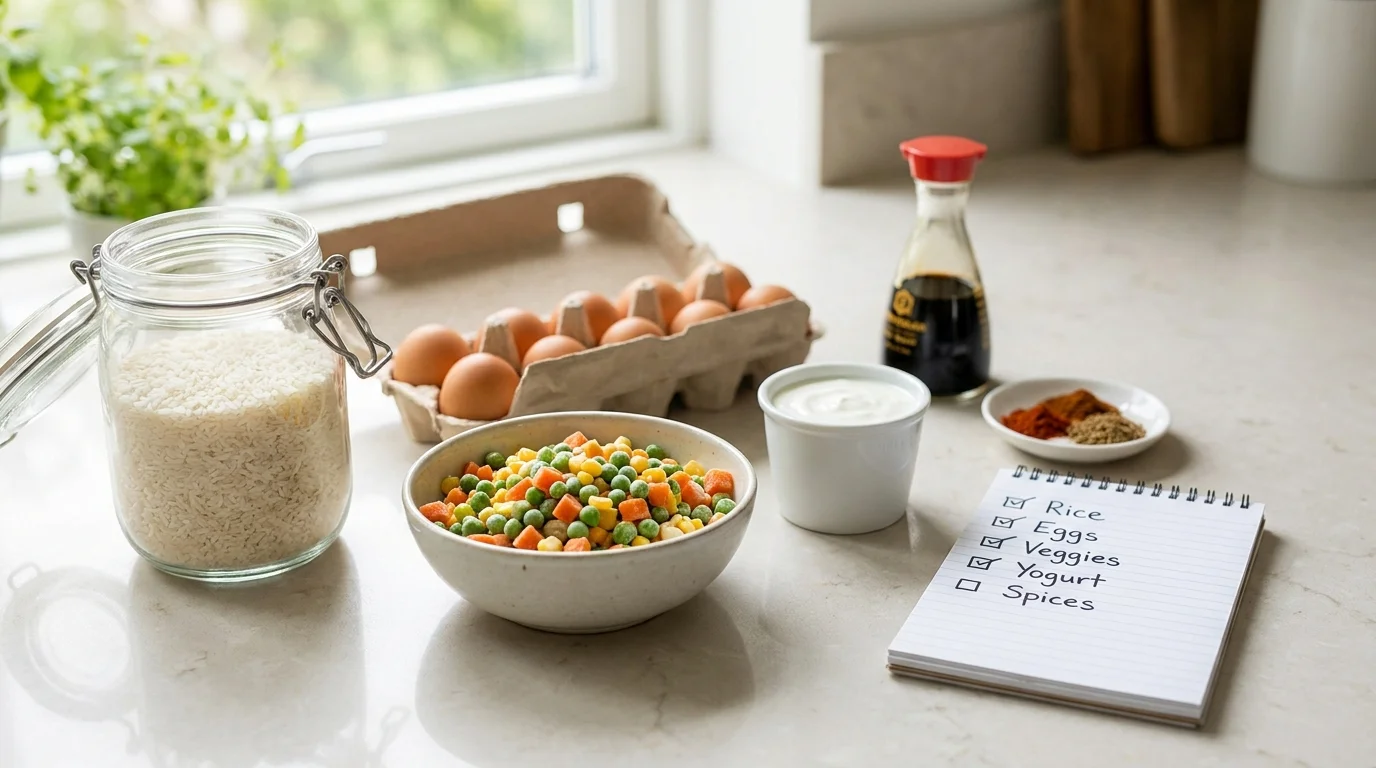
Mini-rule: if in doubt, go with "rice + eggs + vegetable mix + yogurt/sour cream + soy sauce/oil." This is the most reliable set for quick dishes.
Meal Builder: 12 Options from One Set of Five
This section answers the query "what can you cook from simple ingredients" in the most practical way: choose a dish, and you'll immediately know what to buy and how to cook it.
- Fried rice with egg and vegetables
- Base: cooked rice (preferably day-old).
- Protein: 2–3 eggs.
- Vegetable: frozen mix.
- Sauce: soy sauce or sour cream (to taste).
- How to make: sauté the vegetables, add rice, pour in eggs, stir quickly, and season.
- Pasta in tomato sauce with vegetables
- Base: pasta.
- Vegetable: tomatoes/passata + onion (if available) or mix.
- Sauce: passata/tomato.
- Protein: egg on top or tuna.
- How to make: heat the tomato with vegetables for 7–10 minutes, mix with pasta.
- Potato hash with egg
- Base: diced potatoes.
- Vegetable: cabbage/carrots or any greens.
- Protein: eggs.
- Sauce: yogurt/sour cream for serving.
- How to make: fry potatoes until crispy, add vegetables, then eggs at the end.
- Buckwheat with chicken and sour cream
- Base: buckwheat.
- Protein: chicken fillet/thigh.
- Vegetable: carrots/onion or mix.
- Sauce: sour cream.
- How to make: sauté chicken, add vegetables, stir in sour cream and cooked buckwheat.
- Omelette roll with vegetables and cheese
- Protein: eggs.
- Vegetable: spinach/tomatoes/frozen mix.
- Sauce/dairy: cheese or yogurt.
- Base: can be omitted or use leftover rice/pasta inside.
- How to make: thin omelette in a pan, add filling, roll up.
- "Five-minute" soup with frozen vegetables
- Base: rice/small pasta.
- Vegetable: frozen mix.
- Protein: egg (beaten and drizzled in) or beans.
- Flavor booster: oil/soy sauce.
- How to make: bring water to a boil, add base and vegetables, then protein at the end.
- Warm salad "rice + tuna + vegetables"
- Base: rice or bulgur.
- Protein: tuna/beans.
- Vegetable: cucumber/tomato or frozen mix, heated in a pan.
- Sauce: yogurt + mustard (if available) or just oil.
- How to make: mix warm base, protein, and vegetables, then dress.
- Potato and cottage cheese/cheese casserole
- Base: potatoes (boiled or thinly sliced raw).
- Protein: cottage cheese or eggs.
- Sauce: sour cream/yogurt.
- Vegetable: any leftovers (cabbage, spinach, tomatoes).
- How to make: layer in a dish, bake for 25–35 minutes at 180–190°C.
- Lazy "stuffed cabbage rolls" in a pan
- Base: rice.
- Vegetable: cabbage.
- Protein: chicken (minced/finely chopped) or beans.
- Sauce: tomato/passata or sour cream.
- How to make: stew cabbage, add protein and rice, pour in sauce and cook for 10–15 minutes.
- Quesadilla/wrap roll from what you have
- Base: lavash/tortilla (if not counting in the "five," use as an option).
- Protein: eggs/chicken/tuna.
- Vegetable: tomato/cabbage.
- Sauce: yogurt/cheese.
- How to make: fill inside, cook on a dry pan for 2–3 minutes per side.
- Pasta salad for tomorrow (lunchbox)
- Base: pasta.
- Protein: hard-boiled eggs or beans.
- Vegetable: cucumber/tomato/corn (if available).
- Sauce: yogurt/sour cream + salt/pepper.
- How to make: mix, place in a container — tastes better after 30 minutes.
- Rice/buckwheat "bowl"
- Base: rice/buckwheat.
- Protein: poached/fried egg or cottage cheese.
- Vegetable: fresh or sautéed.
- Flavor booster: soy sauce/oil/lemon.
- How to make: layer in a bowl, drizzle with flavor booster.
3 Ready-Made "Sets of Five" for Different Tastes (Choose One)
If you need specifics, here are three sets. Each answers "what to cook quickly and deliciously from simple ingredients" because the dishes repeat, but the flavor changes with the sauce.
Set #1: "Everyday Universal"
- Rice
- Eggs
- Frozen vegetable mix
- Sour cream or plain yogurt
- Soy sauce (or oil + spices)
Set #2: "Hearty for the Family"
- Potatoes
- Chicken
- Cabbage
- Tomato passata
- Vegetable oil + salt/pepper
Set #3: "Budget-Friendly, Meat-Free"
- Buckwheat or bulgur
- Lentils/beans (canned is fine)
- Carrots
- Yogurt/sour cream
- Mustard or adjika (or oil + paprika)
Substitutions: How to Stay on Track If You're Missing an Ingredient
The point of the builder is interchangeability. This section can be read separately: it helps you quickly decide what to cook from 5 basic ingredients, even when the fridge seems "empty."
- No rice/pasta/buckwheat: substitute with potatoes, bulgur, couscous, oats (for savory bowls).
- No chicken/fish: eggs, cottage cheese, beans/lentils, frozen meatballs (if available).
- No fresh vegetables: frozen, sauerkraut, canned tomatoes.
- No sour cream/yogurt: cream, soft cheese, tomato sauce, a bit of oil + lemon.
- No "flavor booster": salt + pepper + garlic (dried), or any ready-made seasoning (curry, Italian herbs).
Tip: keep one "quick sauce" in stock — soy or tomato. It makes the same ingredients taste different.
How to Make a Weekly Shopping List Without Buying Too Much
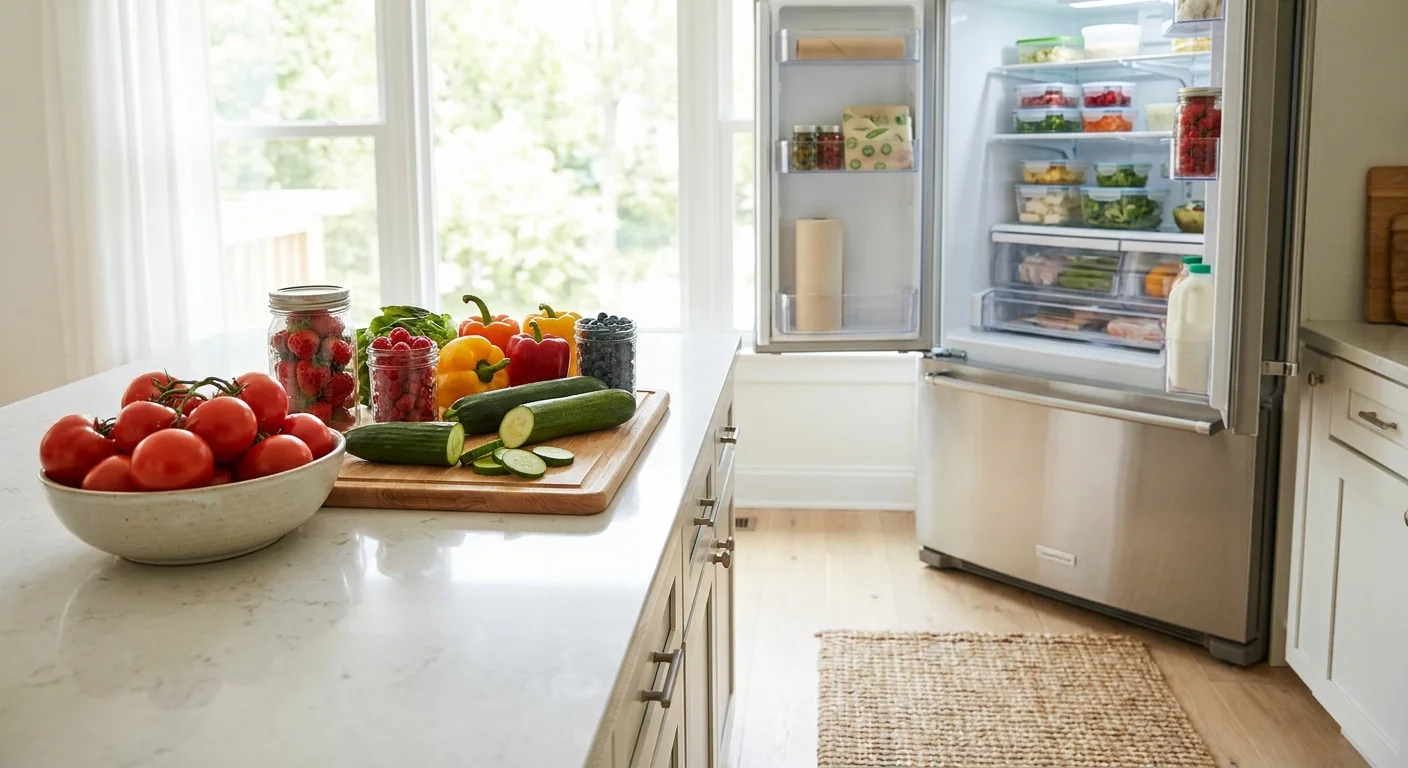
To make the builder work, plan by roles, not dishes: 1–2 bases, 1–2 proteins, 2 vegetables, 1 sauce, 1 flavor booster. This covers 5–7 dinners and some breakfasts.
- Choose 1 base "for a big pot" (rice/buckwheat) and 1 "quick" one (pasta/potatoes).
- Take 2 proteins: one quick (eggs), one "main" (chicken/legumes).
- Vegetables: one fresh (cabbage/cucumbers), one frozen (mix).
- Sauce: sour cream/yogurt or passata — depending on whether you prefer creamy or tomato-based.
- Flavor booster: oil + spices or soy sauce.
If you shop for groceries with a partner or roommates, it's convenient to keep one shared list and mark purchases as you go. In Pickt (t.me/PicktBot/app), such a list syncs in real time — fewer duplicates like "two sour creams and three packs of rice."
Quick Cooking Rules: 15–30 Minutes Without Stress
These rules help you consistently cook "from five ingredients" and get great flavor. This section is useful on its own, even without specific recipes.
- Cook the base in advance: boil rice/buckwheat for 2–3 days — it becomes a semi-finished product for pan dishes, salads, and soups.
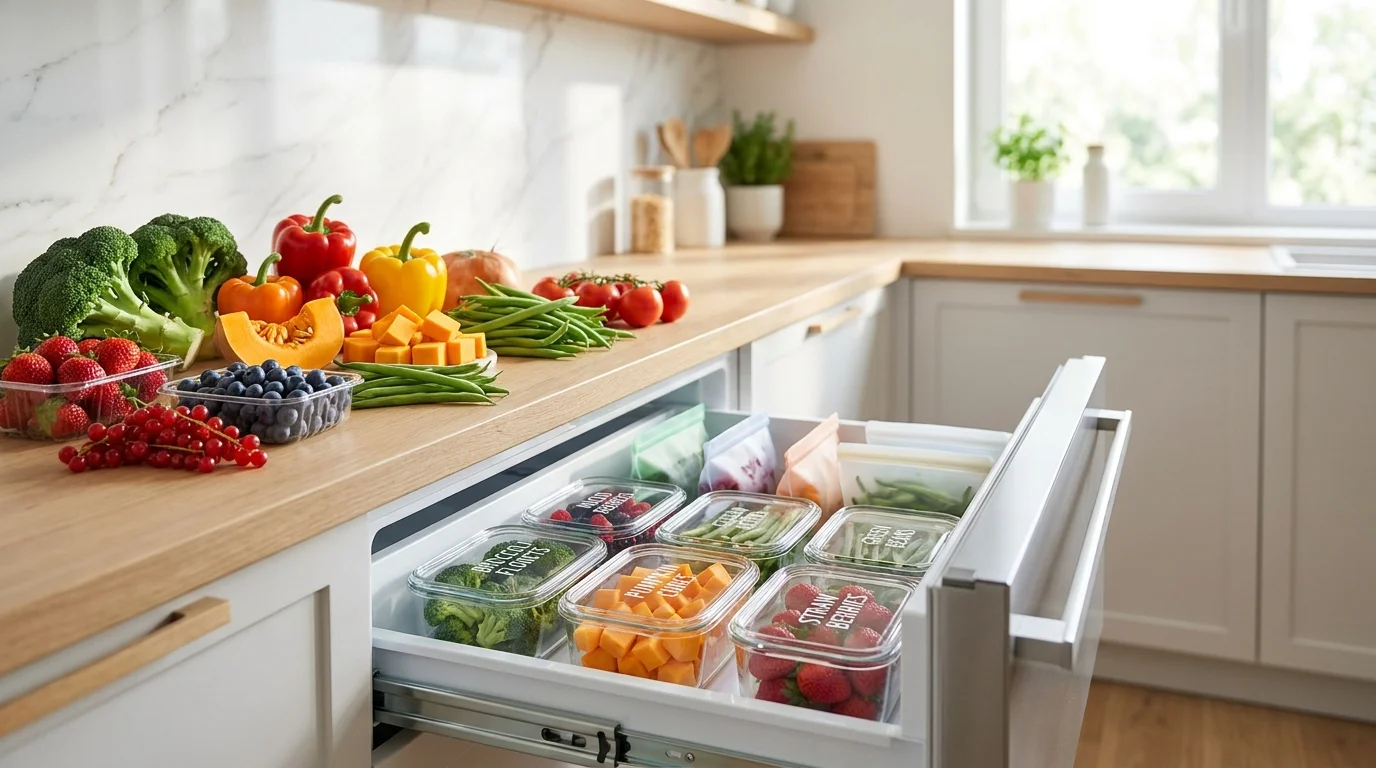
- Vegetables in two formats: fresh for salad + frozen for hot dishes. This way you're not dependent on the season.
- One sauce = three dishes: tomato — pasta, stew, soup; yogurt/sour cream — dressing, serving, marinade.
- Flavor first, complexity later: salt/pepper/acid (lemon/tomato) and a bit of fat (oil) elevate any dish.
- Pan beats oven: if short on time, choose frying/stewing — it's faster and easier to control.
In summary: "what to cook from 5 basic ingredients" is not about limitations, but about a system. Choose roles (base, protein, vegetable, sauce, flavor booster), keep 1–2 substitutes, and assemble dishes like a builder: pan, soup, salad, casserole. With this approach, you cook varied, spend less, and hardly waste any food.
Frequently Asked Questions
Can you really eat varied with only 5 ingredients?
Yes, if the "five" are roles, not strict items. Variety comes from cooking methods (pan/soup/baking) and changing the sauce: tomato, creamy, soy, mustard.
Which 5 ingredients are the most cost-effective and have the longest shelf life?
Often the winners are: rice or buckwheat, eggs, frozen vegetables, sour cream/yogurt, oil + spices. These last a long time and quickly turn into dinner.
What to cook from simple ingredients if you have no time at all?
Three options in 10–15 minutes: omelette with vegetables, pasta with tomato sauce, fried rice with egg (especially if the rice is already cooked).
How not to forget what's running out if the list is shared by the family?
Keep one shared checklist and add items as soon as you notice they're running low. In the mini-app Pickt in Telegram, you can keep such a list together and see changes instantly, so no one buys the same thing twice.