Food is one of the most "invisible" budget items. A couple of spontaneous snacks, an extra pack of yogurt "just in case," delivery at the end of a tough day — and suddenly it seems like money is just disappearing.
The good news: to reduce food spending, you don't need to switch to buckwheat and water. It's enough to build a few habits: plan, shop consciously, and reduce food waste. Below are 10 ways that really work and help you spend less without sacrificing the quality of your diet.
Choose 2–3 points and implement them over the next two weeks. The effect will be more noticeable than from a one-time "strict saving" effort.
Planning: Savings Start Before the Store
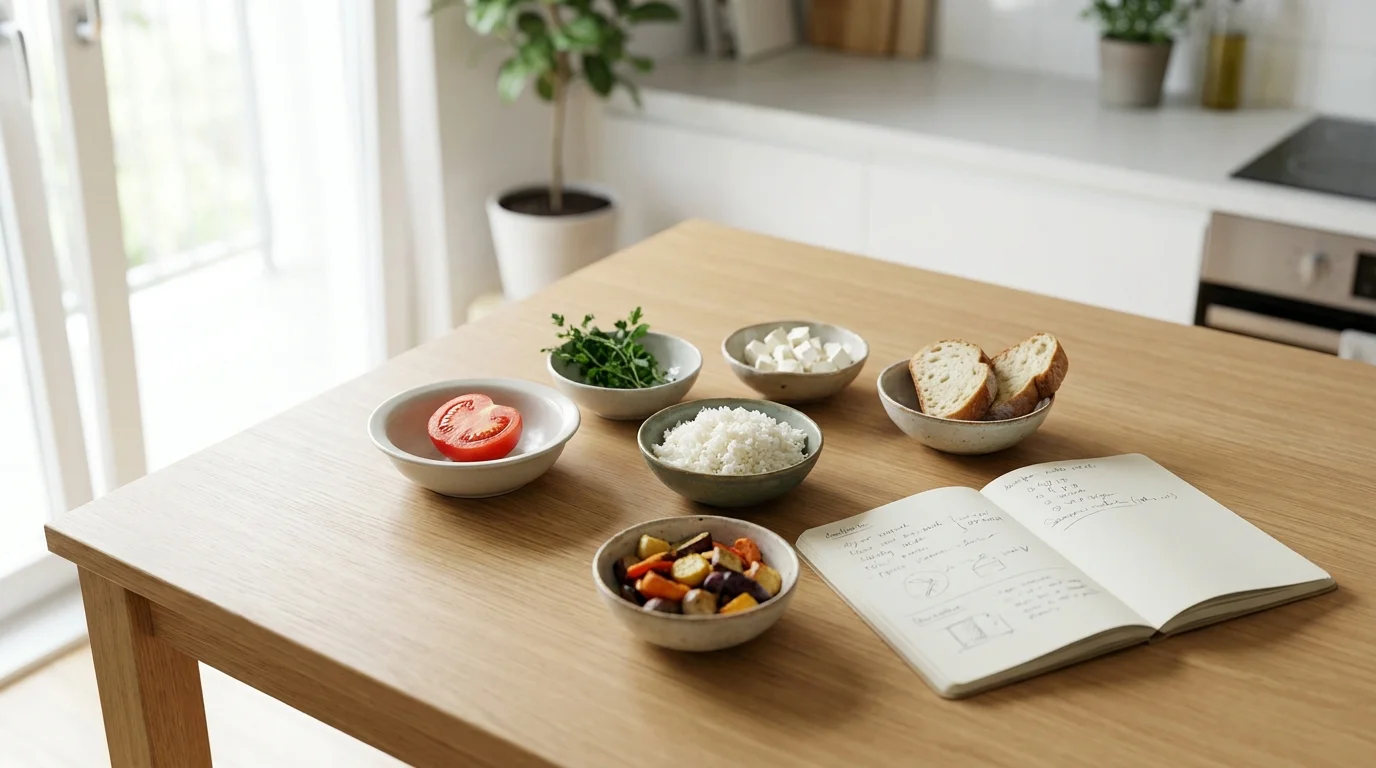
1) Plan a menu for at least 3–4 days
When you know what you'll be cooking in the coming days, your shopping becomes precise. This reduces the amount of extra products and spontaneous decisions like "I'll take it, it might come in handy."
Life hack: plan a realistic menu, not a "perfect" one. If you know you'll be home late on Wednesday, plan a quick dinner or a pre-made meal.
2) Create a shopping list from your menu, not from cravings
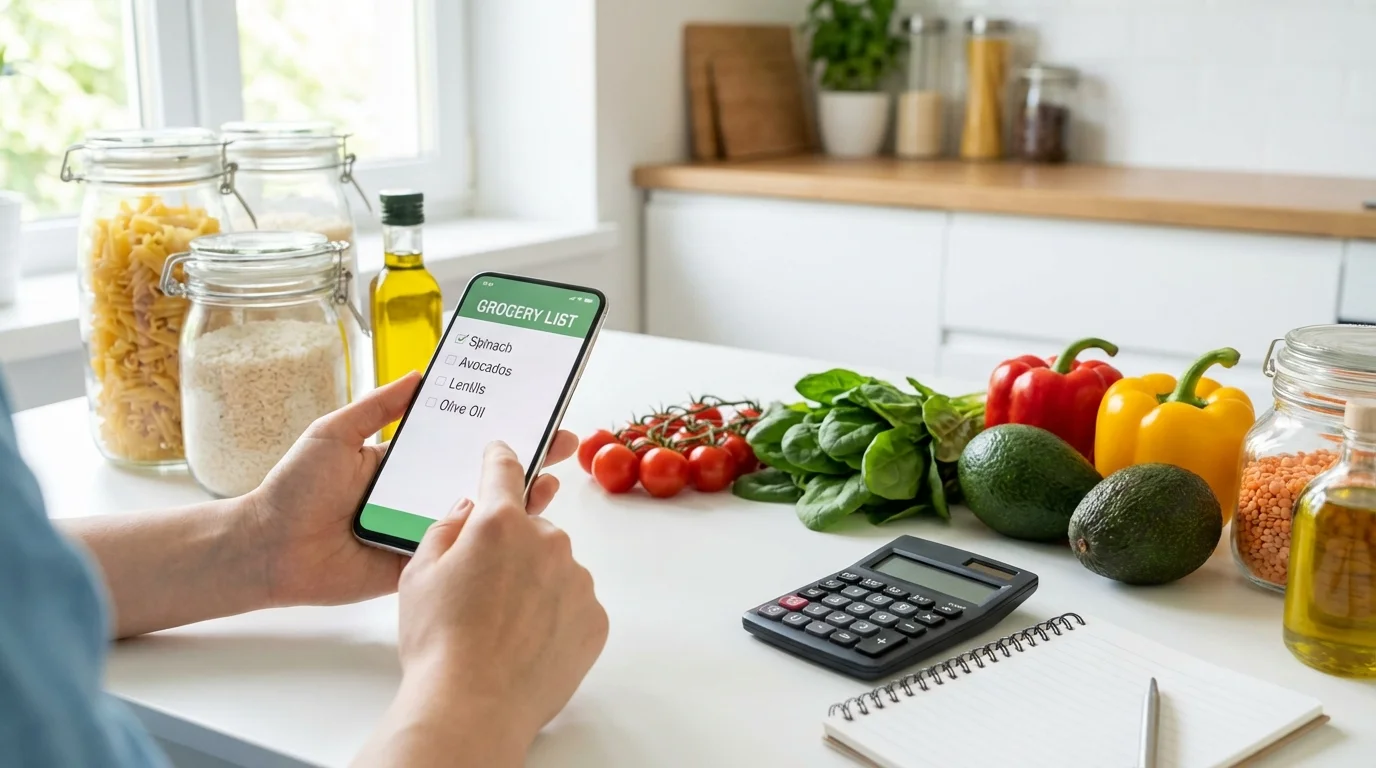
A list is the main tool to spend less in the store. It keeps you focused and helps you avoid buying extras, especially in the snack and ready-made food sections.
It's convenient to divide the list into categories: vegetables, dairy, groceries, meat/fish, frozen foods. This way you "wander" less around the store and fall into merchandising traps less often.
3) Maintain a base of "go-to" dishes
Compile a list of 10–15 simple dishes you actually cook: pasta with sauce, soup, casserole, rice with vegetables and chicken, bean salad, etc. This speeds up planning and helps avoid ordering food due to tiredness.
The fewer decisions you have to make each day, the more stable your savings on food will be.
Mini Checklist Before Going to the Store
- Check the refrigerator and freezer (see what needs to be "rescued" first).
- Create a menu for 3–4 days.
- Compile a categorized list.
- Set a spending limit (at least an approximate one).
Shopping Without Overpaying: How Not to Leave Money at the Checkout
4) Compare the price per unit (kg/liter/100 g)
A larger package isn't always cheaper. Look at the price tag carefully: sometimes the "family size" is more expensive per 100 g, and sometimes it's only beneficial if you're sure you'll eat it all.
This is one of the simplest ways to reduce food spending without changing your diet.
5) Buy seasonal produce and use your freezer
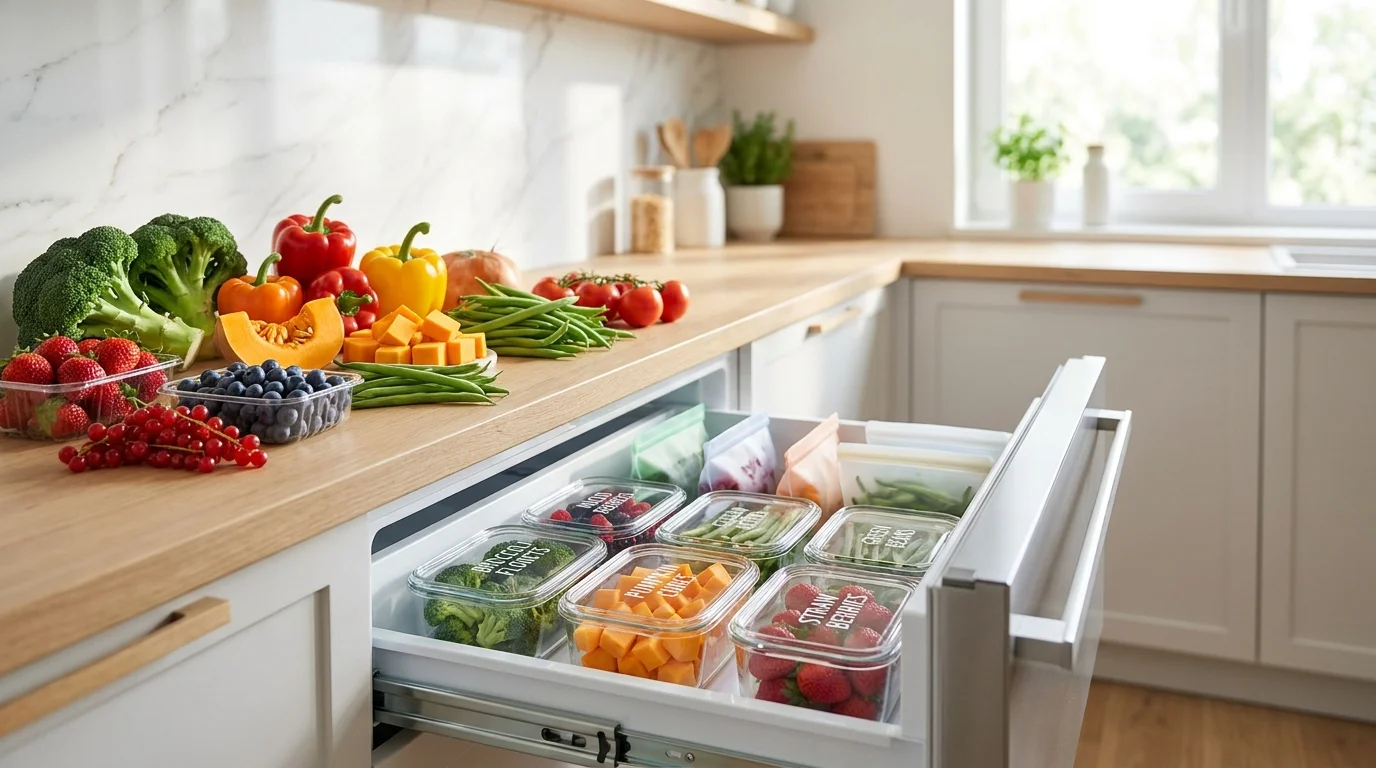
Seasonal vegetables and fruits are almost always cheaper and tastier. When the price is good — buy more and freeze in portions: berries for porridge and smoothies, herbs, chopped vegetables for soups and stews.
Freezing reduces the risk of throwing food away, thus increasing your savings on food.
6) Be cautious with convenience foods and "ready-to-eat" items
Pre-cut fruit, grated cheese, ready-made salads, portioned desserts — you're paying for convenience. Sometimes it's justified, but if such purchases are regular, your budget noticeably inflates.
Compromise: prepare "convenience foods" at home. For example, chop vegetables for 2–3 days and store them in containers.
7) Don't go to the store hungry or tired
This sounds cliché, but it works. Hunger increases impulsive purchases — most often snacks, sweets, and extra "to try" products.
If you have no choice — bring water and a small snack to the store. This really helps you spend less.
Cooking and Storage: Less Waste — Less Expense
8) Cook in bulk, but portion it out
A large pot of soup or stew can be cost-effective if you've thought ahead about how it will be eaten. Make portions: some for tomorrow, some for the freezer. This saves both time and money.
Portion storage reduces the risk of food sitting around and ending up in the trash.
9) Use up products completely with "rescue dishes"
Half a carton of kefir, a couple of vegetables, leftover chicken — all of this can easily be turned into a full meal. Keep a few "rescue dishes" in mind:
- Omelet/frittata (works with almost anything left in the fridge);
- Creamy vegetable soup;
- Casserole or pasta with sauce;
- Salad with grains (rice/bulgur/couscous) and leftover protein.
Reducing food waste is one of the most underrated ways to reduce food spending.
10) Reconsider drinks and "little treats"
Takeout coffee, sugary drinks, snack bars, cookies "for tea" — individually these aren't always large sums, but together they can make up a noticeable percentage of your food expenses.
Try this rule: sweets and snacks — by plan. For example, 1–2 items per week that you choose consciously, not "randomly" at the checkout. This helps you spend less and not feel deprived.
How to Lock In the Results: A Simple Weekly System
For savings on food to become stable, it's important not just to "save," but to build a clear process. It should be easy, otherwise the habit won't stick.
Here's a short weekly plan you can repeat:
- Once a week: plan a menu for 3–4 days and create a shopping list.
- 2–3 times a week: quick top-up shopping only according to the list.
- Every evening: 2 minutes to check what needs to be cooked/thawed tomorrow.
- Once a week: "rescue day" — cook from what's left.
This system reduces chaos, decreases the number of deliveries, and helps you confidently reduce food spending without feeling like you're constantly restricting yourself.
Conclusion
Reducing food expenses is easier than it seems: it's enough to plan a menu, shop from a list, pay less for convenience, and not throw food away. Start with a couple of habits — and you'll see how the total on your receipt and your overall budget control changes.
To always have your shopping list at hand and not lose it between home and the store, it's convenient to manage it collaboratively. For example, in Pickt — a free mini-app in Telegram for shared lists with real-time sync: you can quickly add items and see what's already been bought. Link: t.me/PicktBot/app.