High-Protein Shopping List: What to Put in Your Cart
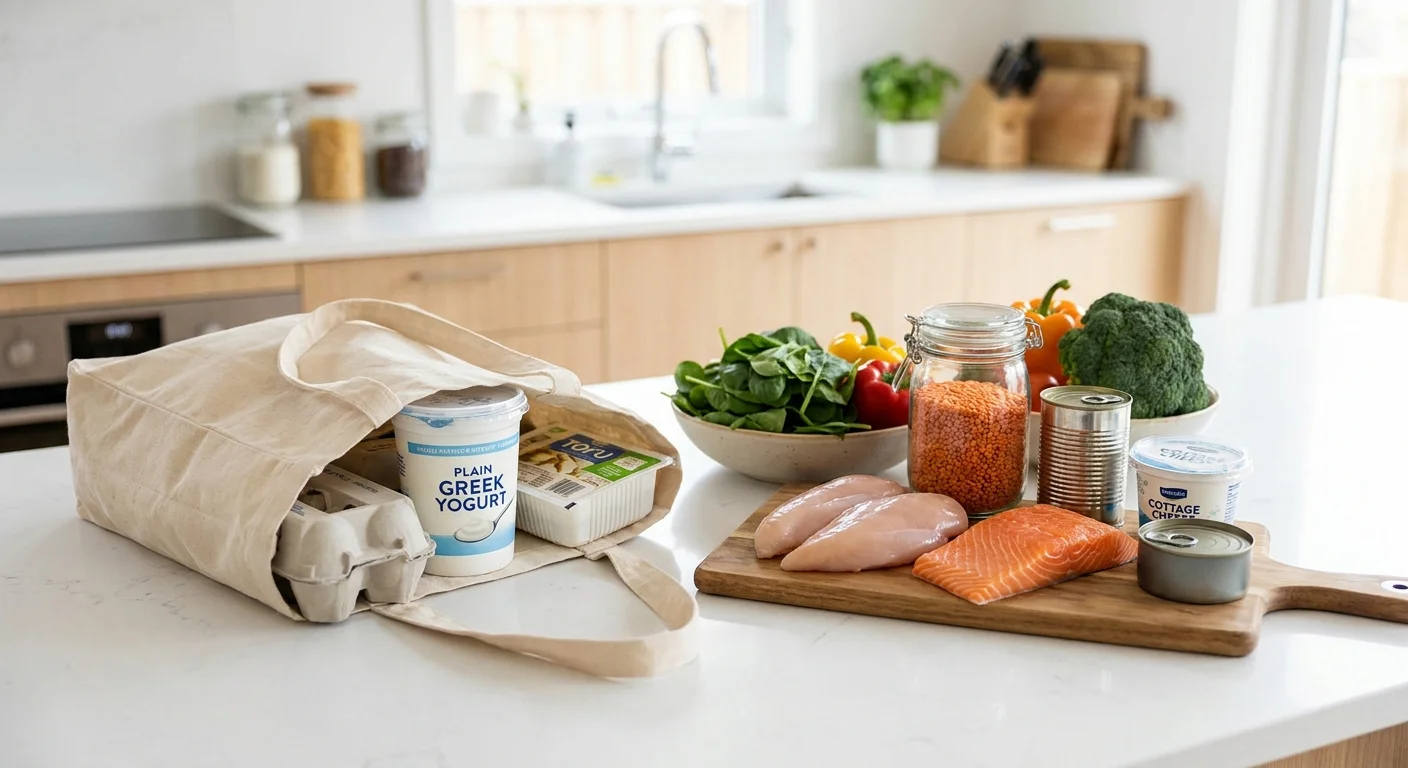
A high-protein shopping list is a set of products that make it easy to put together breakfasts, lunches, dinners, and snacks with a high protein content: lean meat and poultry, fish and seafood, eggs, cottage cheese and yogurt, legumes, tofu, and convenient protein snacks. It is suitable for those losing weight, building muscle, exercising, or simply wanting to stay fuller longer and stabilize their appetite.
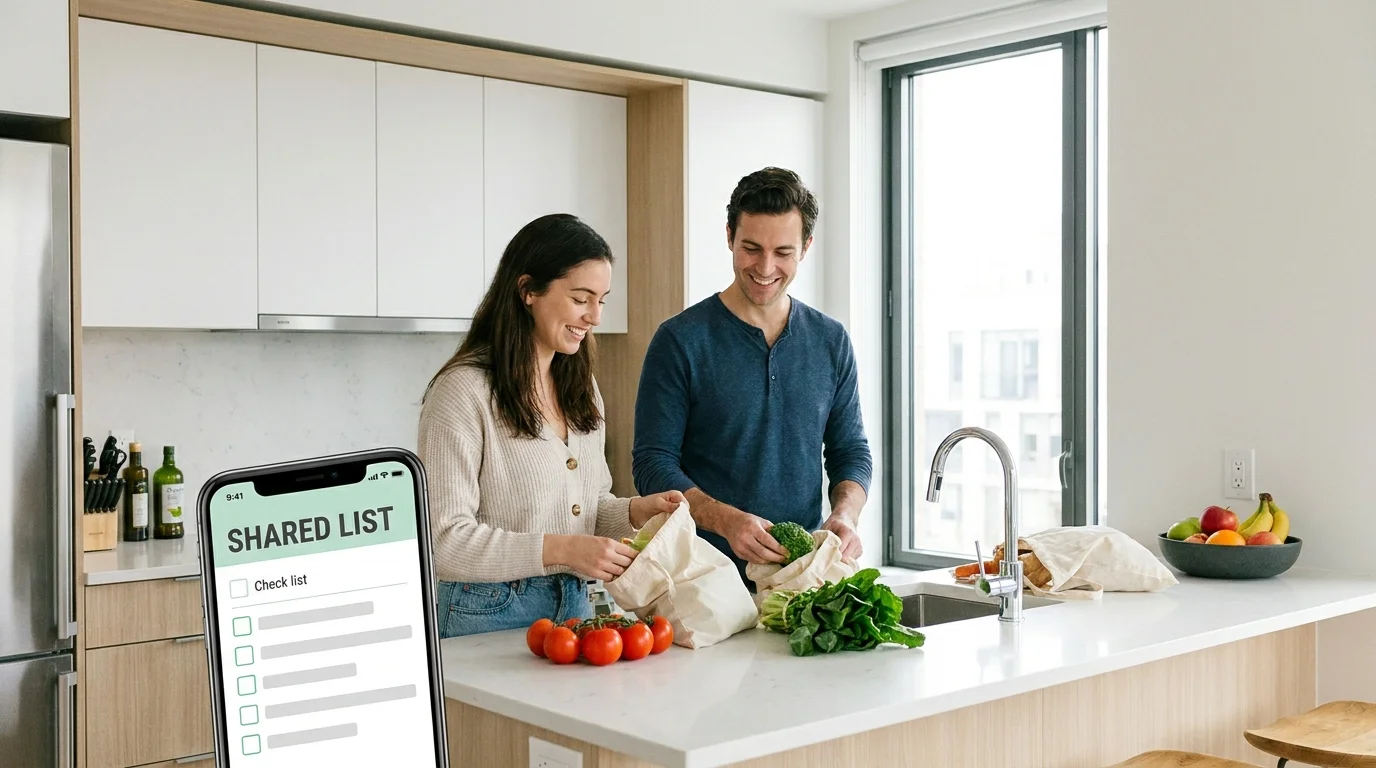
Below is a practical checklist of what to put in your cart, plus short tips on selection and storage. If you are shopping for a family or with roommates, it is convenient to keep a shared list in the Pickt mini-app in Telegram: add items throughout the day and mark purchased items in real time.
1) The Foundation of Your Cart: Meat and Poultry (The Easiest Way to Get Protein)
Meat and poultry provide plenty of complete protein and easily fit into a "high-protein weekly menu." Choose leaner cuts to keep calories under control.
- Chicken breast/fillet — versatile for salads, pasta, sandwiches, and baking.
- Turkey (fillet, ground) — mild flavor, convenient for patties and meatballs.
- Lean beef (tenderloin, top round) — for steaks, stews, and bowls.
- Lean pork (loin without excess fat) — for roasting and cutlets.
- Rabbit — a dietary option, good for stewing.
- Ready-made options without added sugar: baked chicken breast, boiled meat, turkey slices (check the ingredients).
How to Choose Quickly
- Look for minimal additives: meat/poultry, spices, salt.
- Fat content guideline: the less visible fat, the easier it is to build a high-protein diet.
- Buy some items pre-portioned: it makes it easier to stick to the plan and avoid overeating.
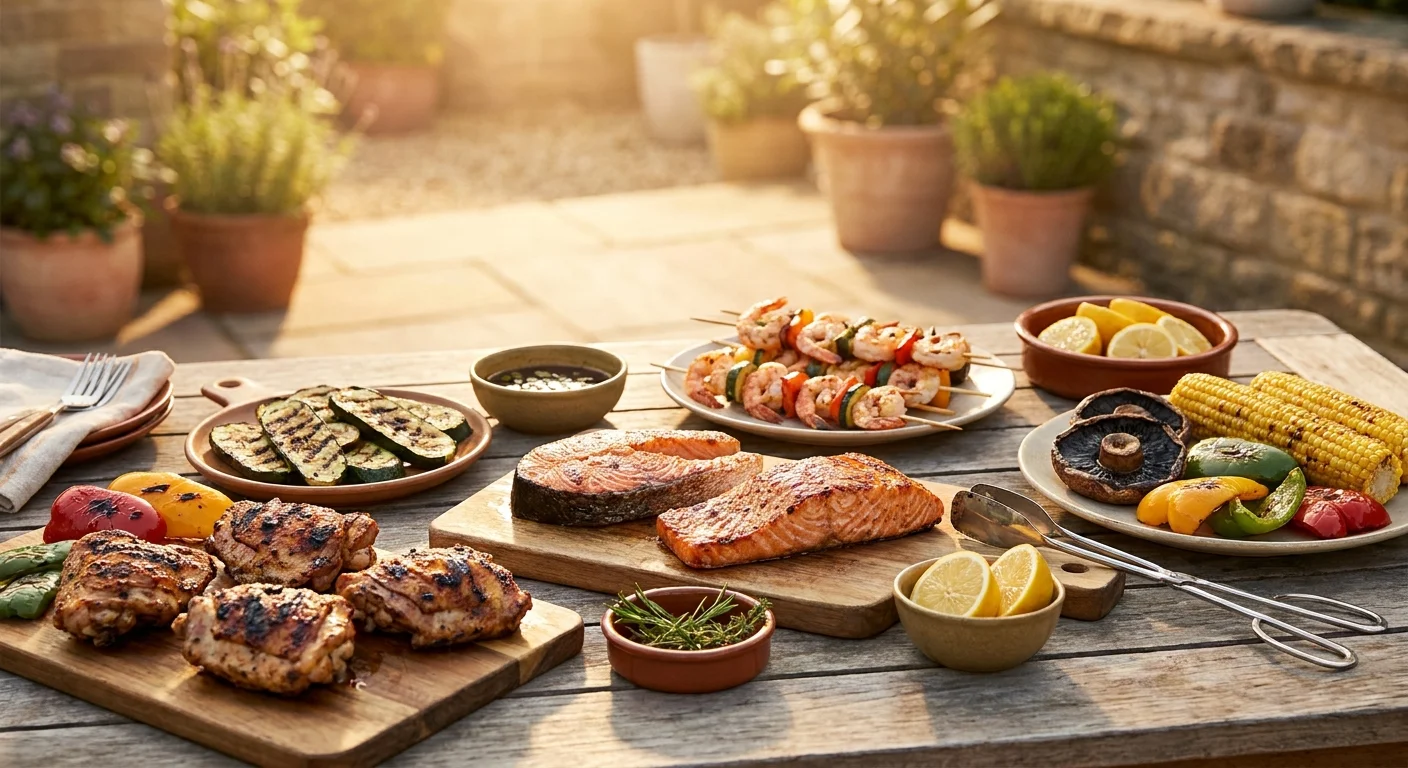
2) Fish and Seafood: Protein + Omega-3 Without Overload
Fish adds variety and helps meet your needs for healthy fats. For a "high-protein shopping list," it is best to combine lean and fattier types.
- Tuna (fresh or canned in its own juice) — quick salads and pasta.
- Cod/hake/pollock — lean options for baking and patties.
- Salmon/trout — 1–2 times a week for omega-3s.
- Shrimp — a quick protein dinner in 5–7 minutes.
- Squid/mussels — great in salads and hot dishes.
- Canned fish: sardines, mackerel, tuna (choose those without sweet sauces).
Prep Tip
- Keep 2–3 types of fish and a bag of shrimp in the freezer — this saves you when there is no time to cook.
- Canned fish is a "Plan B" for a snack or quick dinner, but watch the salt.
3) Eggs and Dairy Products: The Most Convenient Protein for Every Day
If you need a "list of high-protein foods" without complicated cooking, eggs and dairy are the top candidates. They are suitable for breakfasts, snacks, and quick dinners.
- Eggs — omelets, shakshuka, boiled eggs for snacks.
- Egg whites (pasteurized) — convenient for boosting protein without extra fat.
- Cottage cheese 2–5% — sweet and savory options (with berries or herbs).
- Greek yogurt/skyr without sugar — a base for sauces and snacks.
- Kefir/ayran — a post-workout drink or light dinner.
- Cheeses: mozzarella, suluguni, hard cheese (watch your portion due to calorie content).
- Pot cheese (curd cheese) — convenient in salads and on toast.
How to Avoid Mistakes with "Healthiness"
- Choose products without added sugar and with a clear ingredient list.
- If your goal is weight loss, opt for lower-fat versions more often, and add flavor with berries, spices, and herbs.
4) Plant-Based Protein: Legumes, Tofu, Grains, and "Smart" Additions
Plant-based sources help diversify your diet and make it cheaper. They are especially useful if you are reducing meat or looking for ideas on "what to buy for protein intake" without monotony.
- Lentils (red, green) — soups, stews, salads; cooks quickly.
- Chickpeas — hummus, bowls, roasted as snacks.
- Beans (red, white, black) — chili, salads, side dishes.
- Edamame (soybeans) — a quick snack and addition to salads.
- Tofu/tempeh — frying, baking, adding to noodles and bowls.
- Quinoa — a grain with higher protein than many alternatives.
- Oatmeal — a breakfast base; protein can easily be increased with yogurt/cottage cheese.
- Nuts and seeds (pumpkin, chia, flax) — a small amount as a protein and fat booster.
Speed Hack
- Keep canned goods (chickpeas, beans) and a bag of red lentils — this is a quick protein dinner "from the pantry."
5) Protein Snacks and "Emergency" Products: To Avoid Falling Off the Wagon
Snacks solve the main problem: when there is no ready-made food, your hand reaches for a bun. Your high-protein shopping list should include 5–7 "open and eat" options.
- Protein yogurts/puddings without sugar or with minimal sugar — check the ingredients and calorie content.
- Jerky — convenient on the go, but watch the salt.
- Canned tuna + whole grain crackers — a quick mini-meal.
- Portioned cottage cheese — convenient for portion control.
- Frozen berries — an addition to cottage cheese/yogurt instead of sweets.
- Hummus + vegetable sticks — filling and without added sugar.
- Protein powder (whey/plant-based) — optional if it is hard to get enough protein from food.
Mini Rule for the Shelf
- Put together an "emergency kit": 2 cans of tuna, 2 packs of crackers, 1–2 packs of jerky, 2 cans of legumes. This saves you from spontaneous deliveries.
6) Vegetables, Side Dishes, and Sauces: How to Make High-Protein Eating Delicious
Protein is the base, but vegetables, side dishes, and sauces often make the taste and satiety. This section helps you put together a "grocery list for proper nutrition" that you can actually stick to.
- Vegetables: broccoli, cauliflower, spinach, cucumbers, tomatoes, peppers, zucchini, salad mixes.
- Starchy side dishes (depending on your goal): potatoes, rice, buckwheat, bulgur, whole wheat pasta.
- Fruits: apples, bananas, citrus fruits, berries (for balance and sugar-free desserts).
- Sauces and seasonings: mustard, soy sauce (in moderation), lemon, garlic, paprika, pepper blend, vinegar, tomatoes in their own juice.
- Healthy fats: olive oil, avocado (in portions).
How to Assemble a Plate
- Protein (meat/fish/cottage cheese/tofu).
- Vegetables (at least half the volume).
- Side dish according to your goal (less for weight loss, more for muscle gain and active training).
To avoid keeping everything in your head, create one shared list in Pickt (bot @PicktBot, link: t.me/PicktBot/app) and divide it into categories: "Protein," "Snacks," "Vegetables," "Freezer." This makes it easier to plan purchases and avoid duplicates when more than one person goes to the store.
Conclusion: A Ready-Made High-Protein Weekly Checklist
A good high-protein shopping list is based on a simple principle: 2–3 sources of animal protein, 1–2 types of fish, eggs and dairy for every day, plus legumes/tofu for variety, and 5–7 quick snacks. Add vegetables, spices, and a couple of convenient sauces — and you will be able to put together satisfying meals without long deliberation.
Frequently Asked Questions
How much protein do I need per day for the list to be "high-protein"?
For many, a guideline is about 1.2–2.0 g of protein per 1 kg of body weight per day (the exact number depends on activity and goals). If you are not counting grams, follow the rule: each meal includes a separate protein product (meat/fish/eggs/cottage cheese/tofu/legumes).
What should I buy if I need to get protein while losing weight?
Prioritize lean options: chicken breast, turkey, cod/hake, tuna in its own juice, cottage cheese 2–5%, Greek yogurt without sugar, egg whites, legumes. Keep cheeses and nuts, but in portions — they are higher in calories.
Can I put together a high-protein shopping list without meat?
Yes. The base: eggs, cottage cheese/yogurt, tofu/tempeh, lentils, chickpeas, beans, edamame, protein powder (optional). Combine legumes with grains and vegetables to make dishes filling and varied.
How can I avoid forgetting products and buying too much?
Divide the list into categories (meat/fish, dairy, legumes, snacks, vegetables) and mark what you already have at home. If you are shopping for two or a family, use a shared list with synchronization — for example, in Pickt in Telegram — so everyone sees the current items and does not buy duplicates.