To understand how to save on school shopping, just follow 6 steps: make a precise list, spread purchases over time, compare prices at 3–5 places, use cashback and promo codes, buy some items second-hand or 'to grow into,' and control impulse spending. In practice, this takes 30–60 minutes of planning and saves 15–40% of your budget in the 2026 season.
In August, prices are often 'inflated' by demand, and marketing pushes urgency. Below is a step-by-step guide to help you buy everything you need for school without overpaying.
-
Step 1. Make a List and Set a Budget Before You Go to the Store (Savings Start Here)
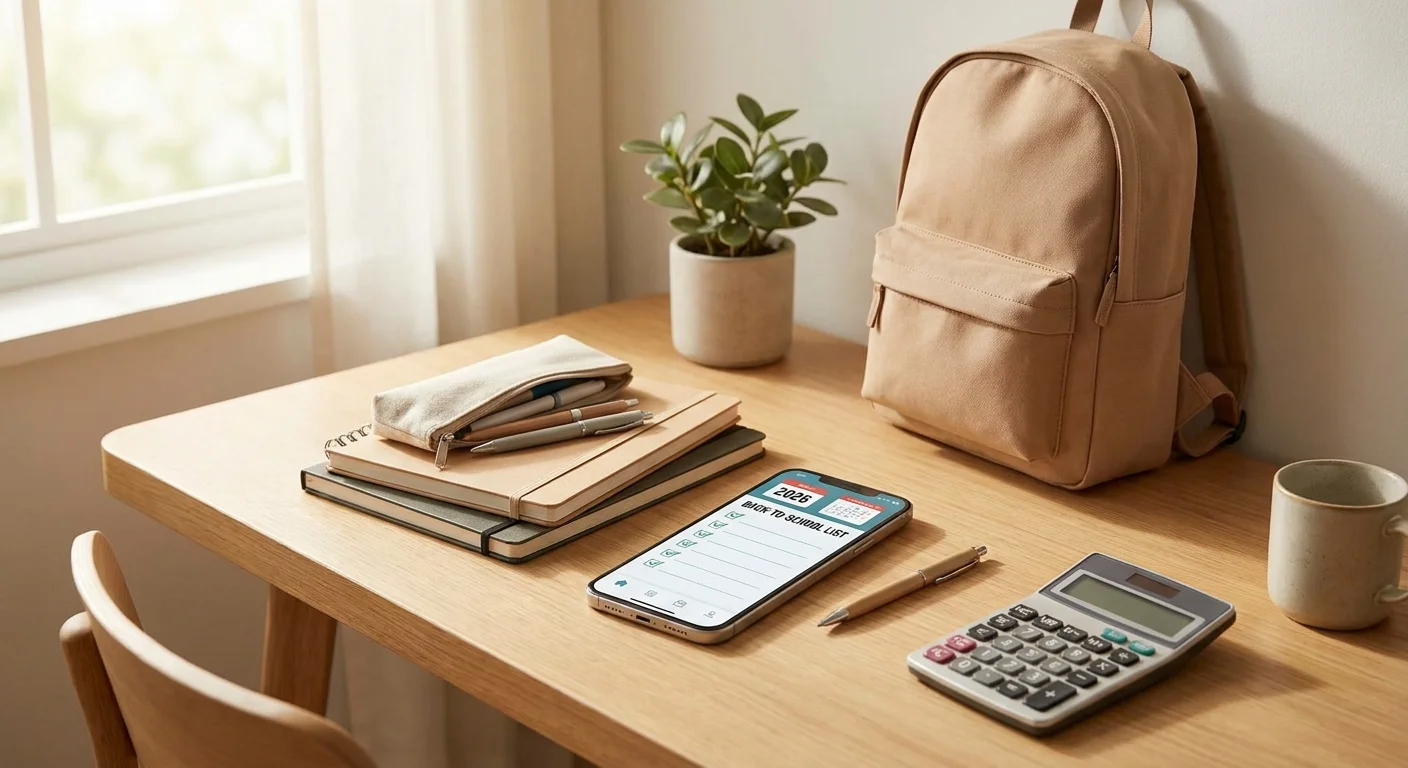
The fastest way to save is not to buy unnecessary items. For this, you need a list by category and a budget guideline: 'how much you're willing to spend on uniforms, stationery, shoes, backpack, tech.'
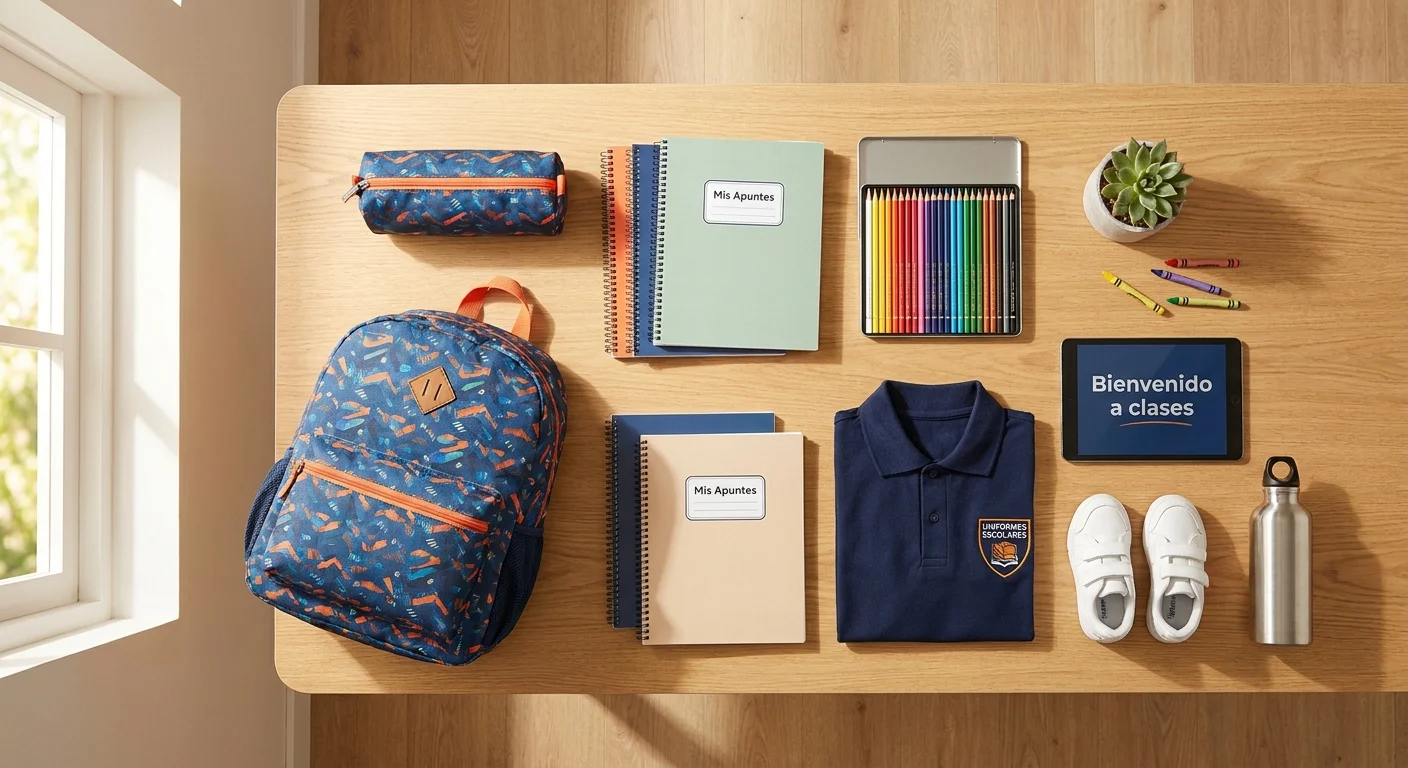
Divide the list into three blocks: essential (as required by the school), desirable (for comfort and quality), and can wait (items that can be bought later in September).
Mini-checklist: What to Check with the School
- Uniform requirements (color, style, emblems).
- List of notebooks and supplies for each subject.
- Whether indoor shoes, a shoe bag, or a specific type of gym uniform is needed.
- Whether tech (tablet/laptop) is required and what specifications are allowed.
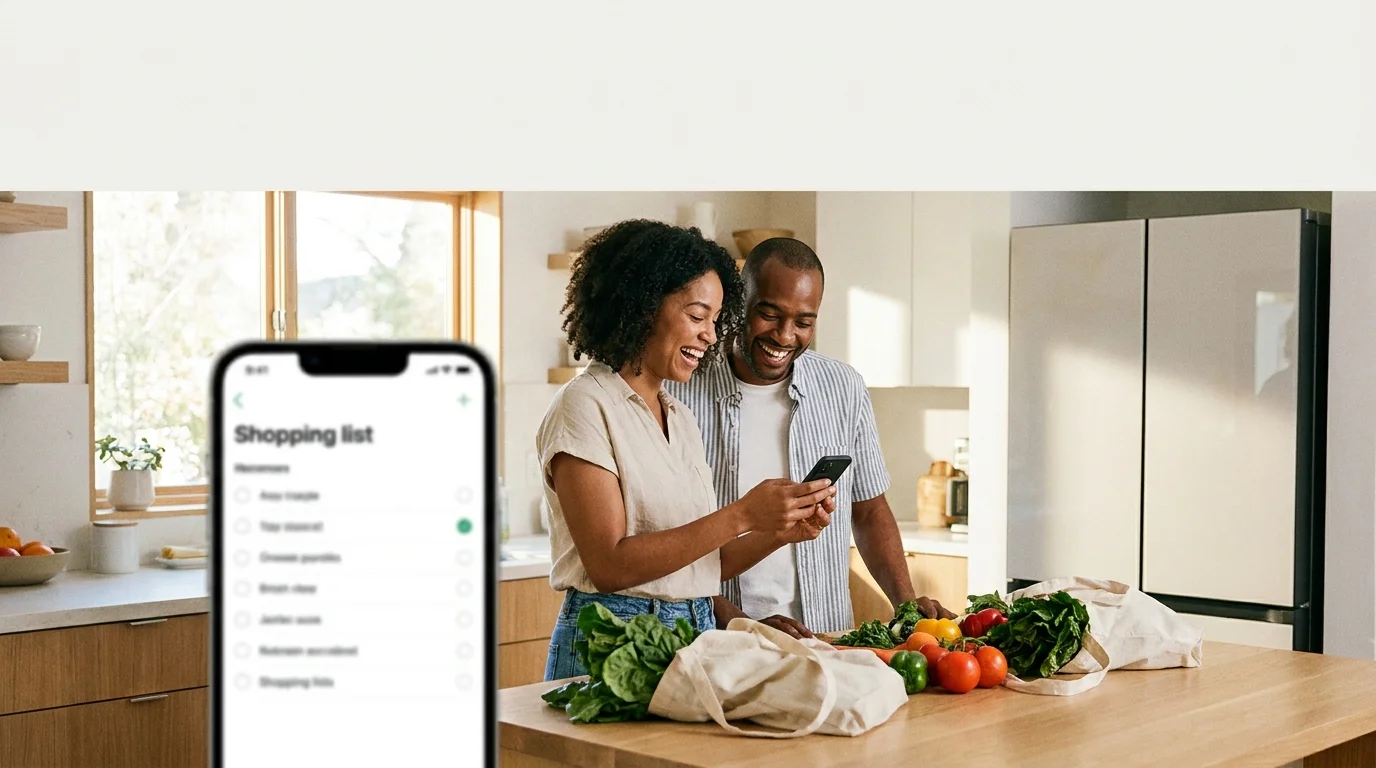
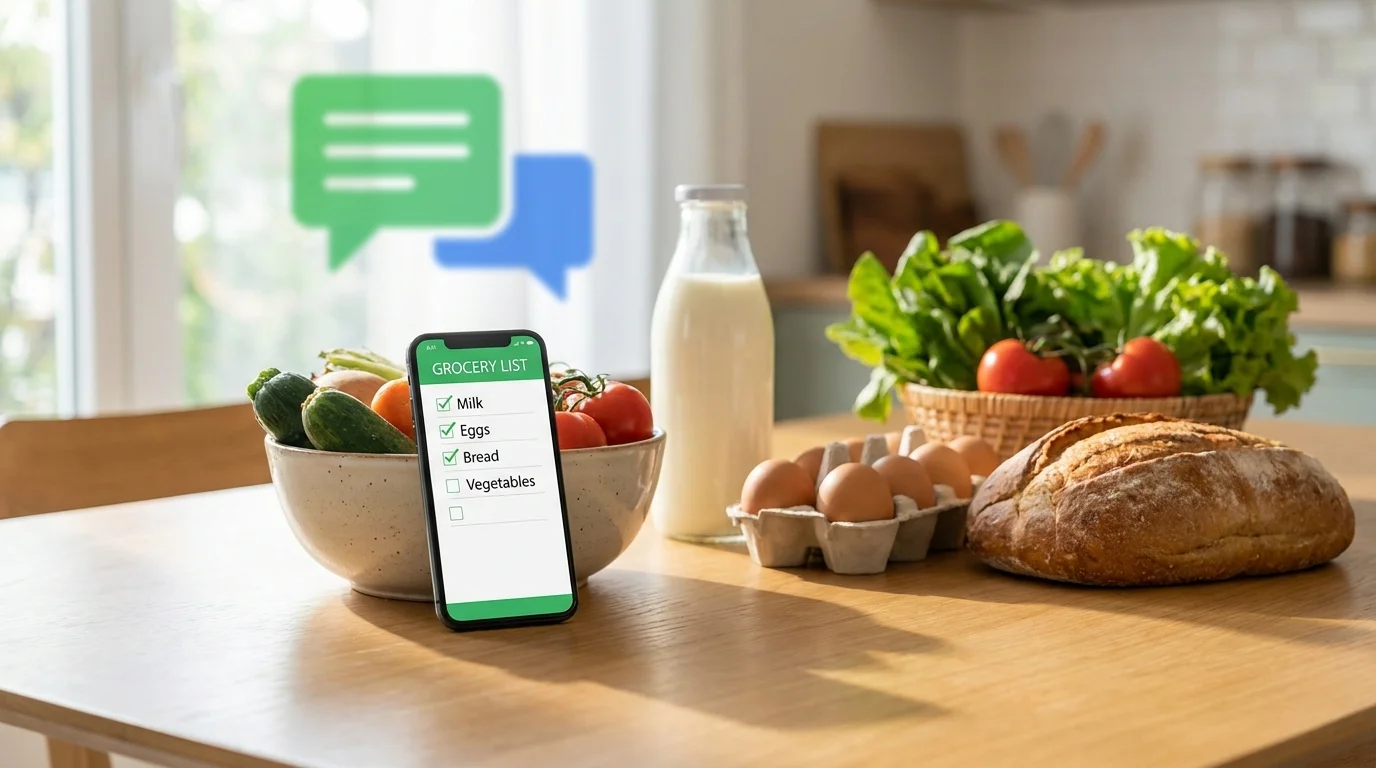
If you're shopping as a family or with housemates, it's convenient to keep a shared list with 'bought' checkmarks. For example, in the free Telegram Mini App Pickt, you can share a list in real-time: one person buys notebooks, another buys uniforms, and no one duplicates items.
-
Step 2. Choose the Right Time: When to Buy for Cheaper Prices (2026 Season)
The question 'where to buy school supplies cheaper' is important, but equally important is when. The price of the same items changes noticeably with the season.
Optimal Shopping Calendar
- May–June: uniforms, shoes, backpack. Wider selection, less rush, and more frequent off-season discounts.
- July: basic stationery (notebooks, pens, folders). A good time to catch '2+1' deals and discounts on kits without overpaying.
- First half of August: fill in the list, but only after comparing prices. Many items get more expensive at the end of August.
- September (1st–20th): buy 'as needed.' Post-season discounts on leftovers often appear, especially on stationery and backpacks.
- October–November: tech and expensive purchases, if you can delay. In 2026, this is usually the most profitable period due to major sales and product line updates.
A practical rule: buy everything you can without the risk of 'it won't fit' earlier. For items where exact needs matter (e.g., specific notebooks for subjects), buy closer to the start of the school year.
-
Step 3. Compare 3–5 Shopping Channels: Offline, Marketplaces, Discount Stores, Group Buys
To understand how to save on school shopping in 2026, compare not 'stores in general,' but specific categories. The same backpack might be cheaper offline (try-on + discount), while notebooks might be cheaper on a marketplace in bulk.
Where Different Categories Are Usually Cheaper
- Stationery: marketplaces (in packs), discount stores, wholesale sections. Look at the price per item, not per set.
- Uniforms and shoes: offline stores and chains with try-ons, as well as online with free returns. Look for last season's collection.
- Backpack and pencil case: often discounted in chain stores and on marketplaces; compare by brand and model, not 'similar.'
- Tech: large retailers + marketplaces; check warranty, package contents, and delivery cost.
- Textbooks/books: second-hand platforms, school chats, libraries, exchanges within the grade.
Time-saving tip: create a short table or note with 3 links for each expensive item (uniform, shoes, backpack, tech) and update prices every 2–3 days during the season. This helps avoid buying 'the first thing you see' at peak demand.
-
Step 4. Use Discounts, Cashback, and Promo Codes Correctly (Not 'On a Whim')
Discounts only work if you control the base price. The main mistake of the season is buying 'on sale' without knowing how much the item cost a week ago.
Proven Savings Algorithm for Promotions
- First, note the target price (from 2–3 stores).
- Then, apply the promo code/cashback and calculate the final cost including delivery.
- Compare not the discount percentage, but the price per unit (notebook, pen, sheet of paper).
- Avoid 'school supply kits' if they contain unnecessary items: overpayment is almost always hidden there.
Another way to save on stationery is to buy 'basics' in neutral colors without characters or licenses. Licensed designs often add 20–60% to the price for the same functionality.
-
Step 5. Buy Some Items Second-Hand or 'In Exchange': Uniforms, Textbooks, Backpacks
If your goal is saving on school uniforms and stationery, the second-hand segment gives the biggest effect on expensive items. This is especially relevant in 2026, when many families are optimizing seasonal expenses.
What Is Usually Safe to Buy Second-Hand
- Uniforms: jackets, vests, pinafores—if the fabric is in good condition and easily adjustable.
- Backpack: if zippers, back, and straps are intact; be sure to check seams and the bottom.
- Textbooks and books: if the school allows the required edition/year.
- Gym clothes: sometimes new is cheaper, but branded items can be found second-hand in excellent condition.
However, be cautious with second-hand shoes: individual fit and insole wear can be critical. If you buy them, check the inside, not just the appearance.
Life hack for families and neighbors: organize a mini-exchange 'within the house/chat'—often items just sit unused. To avoid forgetting anything or buying duplicates, you can keep a shared list and mark what you've already found through exchange (in the same Pickt, this is easy to do together).
-
Step 6. Protect Yourself from Impulse Purchases: The 24-Hour Rule and 'Anti-List'
Seasonal displays and 'limited-time offers' push you toward unnecessary spending. To truly understand how to save on school shopping, you need simple impulse control.
Two Rules That Work
- The 24-Hour Rule: for anything above a certain threshold (e.g., $25–$40), buy it the next day after comparing prices.
- The Anti-List: write down in advance what you won't buy (extra diaries, 'just in case' craft kits, 10 identical pens).
If your child asks for the 'trendiest' option, agree on criteria: comfort, warranty, durability. A compromise often helps: a basic item + one bright accessory that doesn't blow the budget.
Summary: A Short Savings Plan for School Shopping in 2026
Savings come from three things: a precise list, the right timing, and comparing channels. Buy uniforms and backpacks early, stationery by the unit price, and expensive items after checking discounts and final costs. And don't forget to leave 10–15% of your budget for September top-ups: it's cheaper than buying everything 'just in case' in August.
Frequently Asked Questions
When is the best time to buy school uniforms in 2026?
Usually, it's cheapest in May–June: more sizes, fewer lines, and it's easier to find discounts on last season's collection. At the end of August, prices and size shortages are typically at their peak.
Where to buy school supplies cheaper: on a marketplace or in a store?
Stationery and consumables are usually cheaper on marketplaces in bulk, while uniforms and shoes are better where you can try them on and easily return them. The best option is to compare 3–5 places for each category.
How to avoid overpaying for 'school supply kits'?
Calculate the price per unit and cross out anything not required by the school. Kits are only beneficial when they contain no unnecessary items and the per-unit price is lower than buying separately.
Is it really possible to save on stationery without losing quality?
Yes: choose basic brands without licenses, compare the price per item, and buy some consumables (paper, files, covers) in bulk. Quality usually depends on specifications (paper density, pen type), not design.