Fall break is just one week, but seven free days can sometimes feel like a real project for parents. The child wants experiences, meetings, and entertainment, while adults need to work, cook, and keep up with daily routines in parallel. Add to that rain, early dusk, and a suddenly increased food consumption at home: it seems the fridge empties faster than you can close the grocery app.
The good news is that perfect holidays aren't necessary. It's enough to plan a few anchor activities in advance, buy basic groceries, and leave time in the schedule for rest, cartoons, and doing nothing. Such a fall break plan will help you avoid coming up with entertainment from scratch every day and reduce the number of “I'm bored” phrases.
A Week Plan: No Rush for Experiences
Don't try to fill every minute. One main activity per day is enough: a big home project, an outing, or a meeting. The rest of the time will be taken up by meals, rest, reading, games, and everyday life. If some plans fall through due to weather or mood, that's normal.
| Day | Activity | What to Buy in Advance |
|---|---|---|
| Monday | Home day: reading, building blocks, a mini quest around the apartment | Stickers, paper, small prizes, favorite snacks |
| Tuesday | Creative workshop: cards, collages, modeling | Cardboard, paints, glue, playdough, colored paper |
| Wednesday | Board games and baking together | A new board game or puzzle, flour, eggs, butter, filling |
| Thursday | Museum, interactive exhibition, or pool | Tickets, water, snacks, swimwear if needed |
| Friday | Nature outing: park, forest park, eco-trail | Thermos, sandwiches, raincoats, napkins |
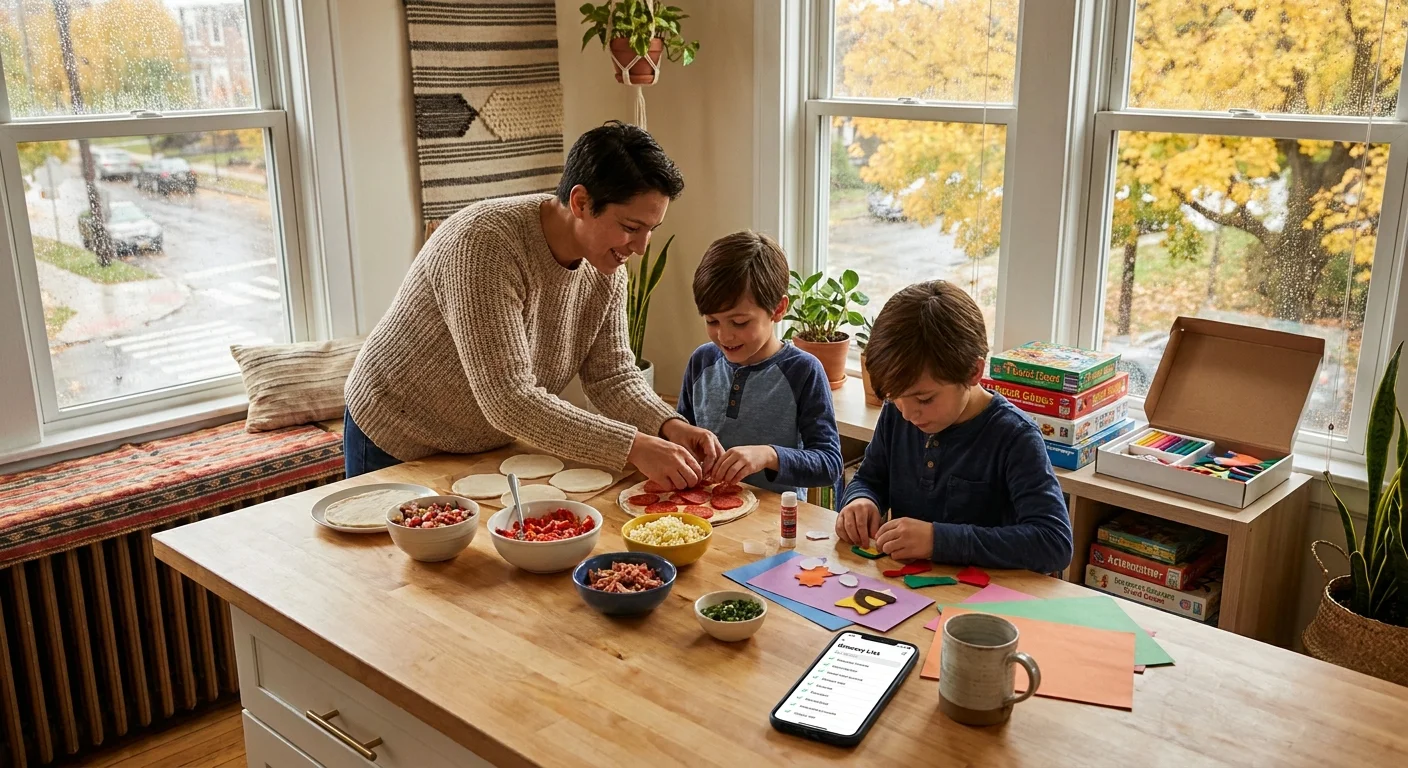
| Saturday | Day with friends: homemade pizza, movies, or games | Pizza base, cheese, sauce, vegetables, drinks |
| Sunday | Quiet day and preparation for school | Fruits, yogurts, ingredients for quick dinners |
The table is not a strict schedule but a hint. You can swap days around: for example, if the weather is sunny, go for a walk right away and leave creativity for a rainy Thursday.
What to Do with Your Child at Home When It Rains Outside?
The question “fall break, what to do with your child” often arises when a walk is canceled and the child is already tired of gadgets. Home activities don't have to be one hundred percent educational. Their goal is to give the child something interesting to do and give parents a bit of a break.
Ideas for a Calm Home Day
- Apartment quest. Hide 5–7 notes with tasks: find an item of a certain color, solve a rebus, put together a puzzle, bring a book about autumn. At the end, a small prize or the right to choose a family movie.
- Creative workshop. Make a collage “My Ideal Break,” autumn cards for grandparents, playdough figures, or a leaf painting if you managed to collect leaves on a dry day.
- Home laboratory. Grow salt crystals, test which objects sink, or have a blindfolded fruit tasting.
- Serial reading. Choose a book to read a chapter each evening, and during the day ask the child to draw a character or come up with an alternative ending.
- Board game tournament. Lotto, card games, “roll-and-move” games, dominoes, chess, puzzles all work. You don't need to buy a complex strategy game: what matters is that the rules are clear to all participants.
For children's home activities in autumn, you'll need colored paper, cardboard, markers, gouache, brushes, glue sticks, playdough, stickers, safety scissors, and a few craft kits. If the child is already a school student, you can trust them to prepare the workspace and clean up after the activity—this is part of independence, not punishment.
How Not to Spend the Whole Week Cooking?
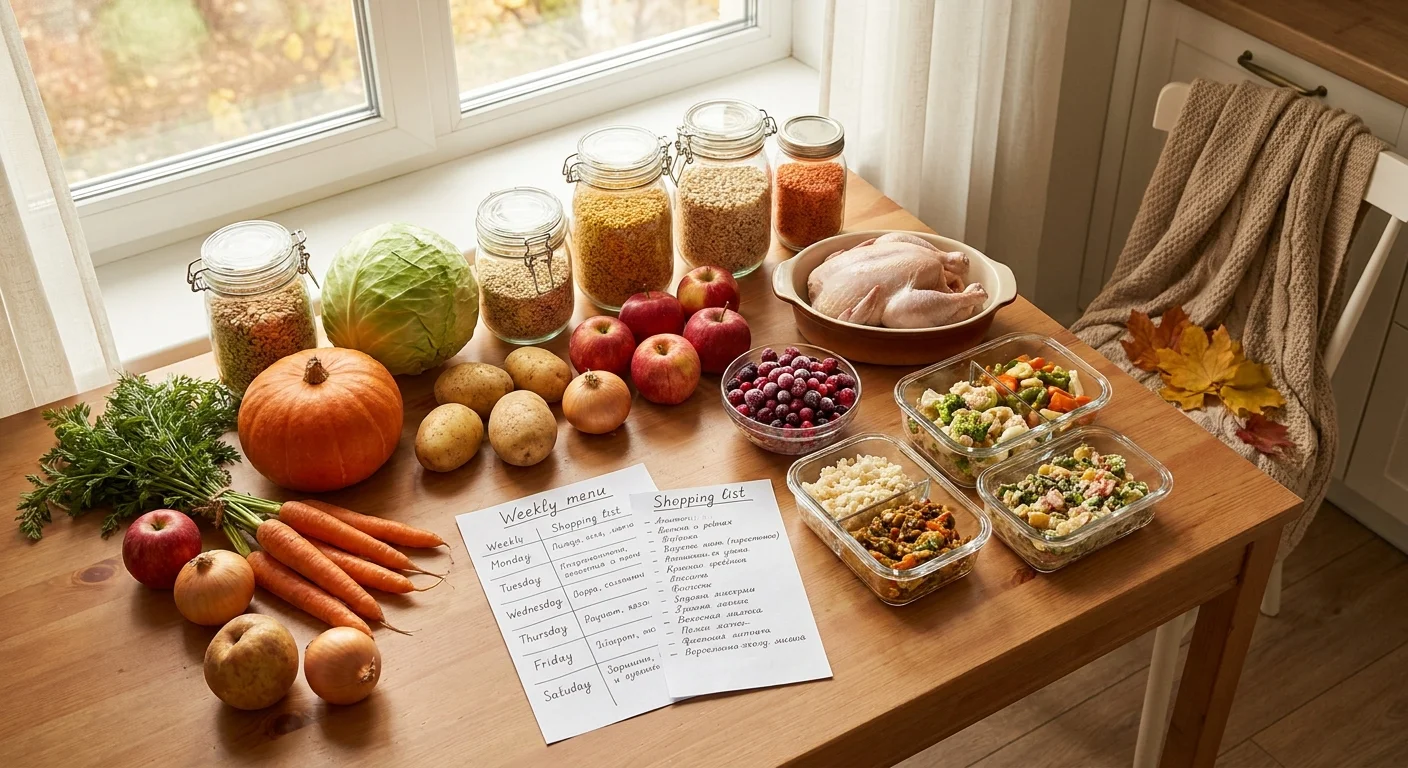
The main principle of the break is not to cook complex meals three times a day. Stock up on simple ingredients that the child can use to put together breakfast, a snack, or a simple lunch together with an adult. This also answers the question “what to cook with kids” and is a way to keep them busy with something useful.
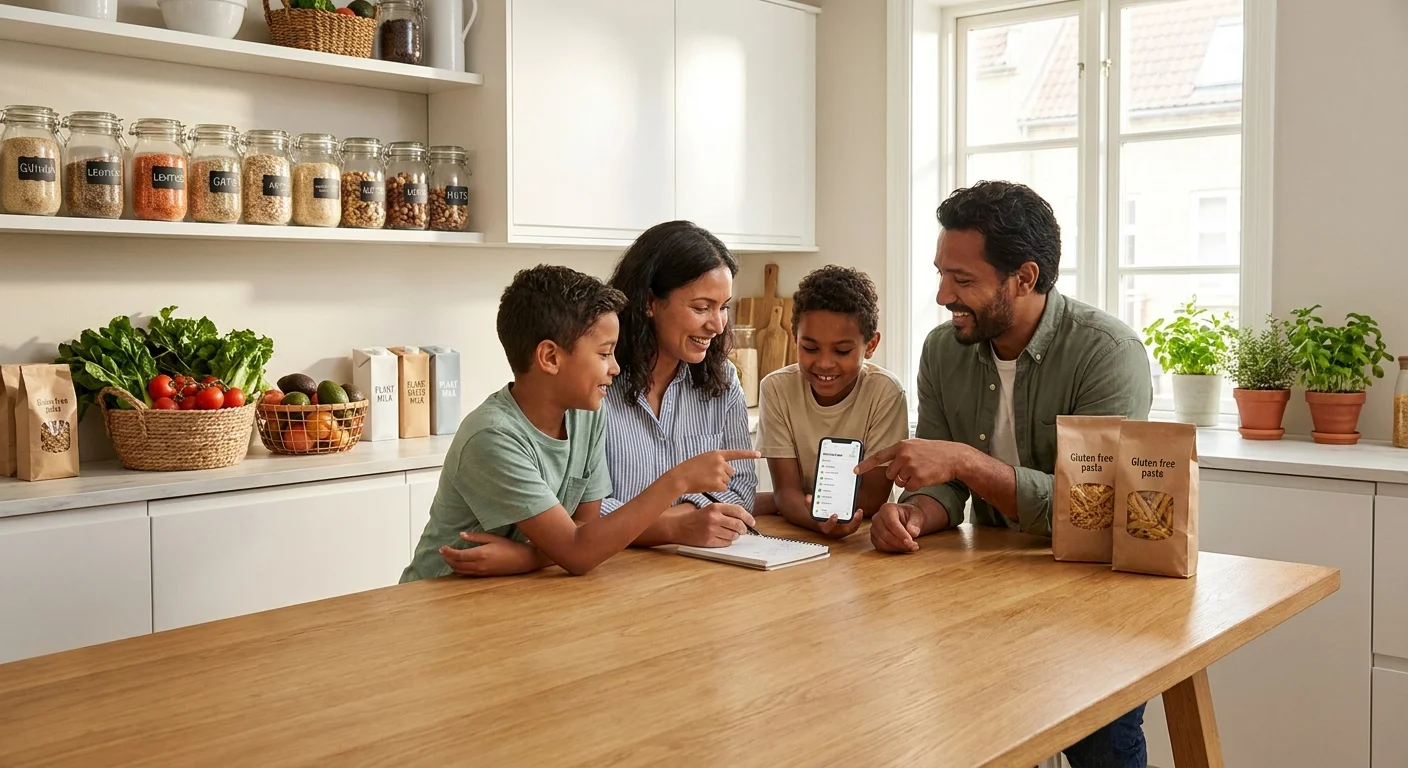
It's convenient to keep a shared shopping list for the break in Pickt—shared shopping lists in Telegram. Add the kids there: let them choose one breakfast, one snack, and one dish they want to make themselves. This reduces the chances of buying products that will sit untouched.
Dishes a Child Can Assemble or Prepare
- Mini pizza. Base: lavash, pita, ready-made dough, or buns; choose toppings from cheese, tomato sauce, corn, chicken, mushrooms, and vegetables.
- Waffles. If you have a waffle maker, buy flour, eggs, milk, or kefir in advance. Ready waffles are easy to top with berries, banana, cottage cheese, or yogurt.
- Bowls. The child can put rice or couscous, baked chicken or an egg, cucumber, carrot, corn, avocado, and sauce into a bowl themselves.
- Cookies. Simple shortcrust dough, oats, banana, apple, chocolate chips, or raisins are enough for homemade baking without a complicated recipe.
- Sandwich bar. Put bread, cheese, turkey, lettuce, cucumbers, tomatoes, and a few sauces on the table. Everyone assembles their own.
To keep snacks from turning into endless candy and cookies, keep fruits, cut vegetables, cheese, yogurts without excess sugar, whole-grain crackers, nuts (for children old enough to eat them safely), and hummus in plain sight. Sweets can also be kept, but in a clear format: for example, homemade cookies after lunch rather than constant access to a candy bowl.
What to Take for an Outing Day?
Even in late October, you can head to a park, an eco-trail, a neighboring town, a museum-estate, or just take a long walk around the neighborhood. The main thing is not to build a plan that requires perfect weather. For a rainy day, it's better to have a backup option in advance: a pool, museum, climbing wall, bookstore, or children's exhibition.
Backpack Checklist for a Walk or Trip
- water in a reusable bottle;
- thermos with tea or cocoa;
- sandwiches, lavash rolls, or mini pizzas;
- bananas, apples, cheese, crackers, or vegetable sticks;
- wet and dry wipes;
- a trash bag;
- band-aids and a minimal first aid kit;
- raincoat, spare socks, hat, and gloves depending on the weather;
- power bank, tickets, and transport card;
- a small travel game: cards, notebook, pencils.
Don't take too much food “just in case”: a hearty snack and the option to stop at a café if the walk runs long are better. For the child, dry socks and a warm drink are especially important—after those, even a wet park feels much better.
A Unified Shopping List for the Break Week
Below is a basic list that can be adapted to the child's age, family size, and your budget. In Pickt, it's convenient to divide it into categories and check off items as you shop.
Food
- bread, lavash, pita, or ready-made pizza bases;
- flour, eggs, milk or kefir, butter;
- cheese, cottage cheese, yogurts, hummus;
- tomato sauce, chicken or turkey, ham, canned corn;
- rice, couscous, pasta, oats;
- cucumbers, tomatoes, carrots, bell peppers, lettuce;
- bananas, apples, seasonal fruits, frozen berries;
- cookies or chocolate chips for baking, raisins;
- tea, cocoa, water, juice if desired.
Creativity and Board Games
- colored paper, cardboard, sketchbooks;
- pencils, markers, paints, brushes;
- glue, safety scissors, stickers;
- playdough or modeling clay;
- a puzzle, card game, or a new board game.
Useful Little Things
- wet wipes, paper towels, trash bags;
- raincoats or water-repellent spray for shoes;
- band-aids, antiseptic;
- food containers, water bottles, thermos;
- small prizes for the quest: stickers, a notebook, a funny pen.
The most important thing about the break is not the number of museums, crafts, or cooked dishes. If the child has slept well, managed to see friends, got out of the house a couple of times, and felt that their ideas are also taken into account, the week has already been a success. And parents just need a simple plan, food supplies, and the right to cancel any item on the program if everyone just wants to stay home today.