A grocery list seems like a simple thing until it ends up in a paper notebook at home, in notes on one person's phone, and in messages on another's. As a result, someone buys a second bag of coffee, forgets the vegetables, or doesn't understand what exactly the item 'regular cheese' means.
Dedicated grocery list apps solve this problem better than regular notes. They allow you to share lists in real time, check off purchased items, group items by category, and keep everything organized even without an internet connection.
In this review, we compared five popular options: Bring!, AnyList, Listonic, Google Keep, and Pickt. Each has its strengths, and the best choice depends not only on features but also on whether all participants are willing to install a new app and create an account.
Why You Need a Dedicated Grocery List App
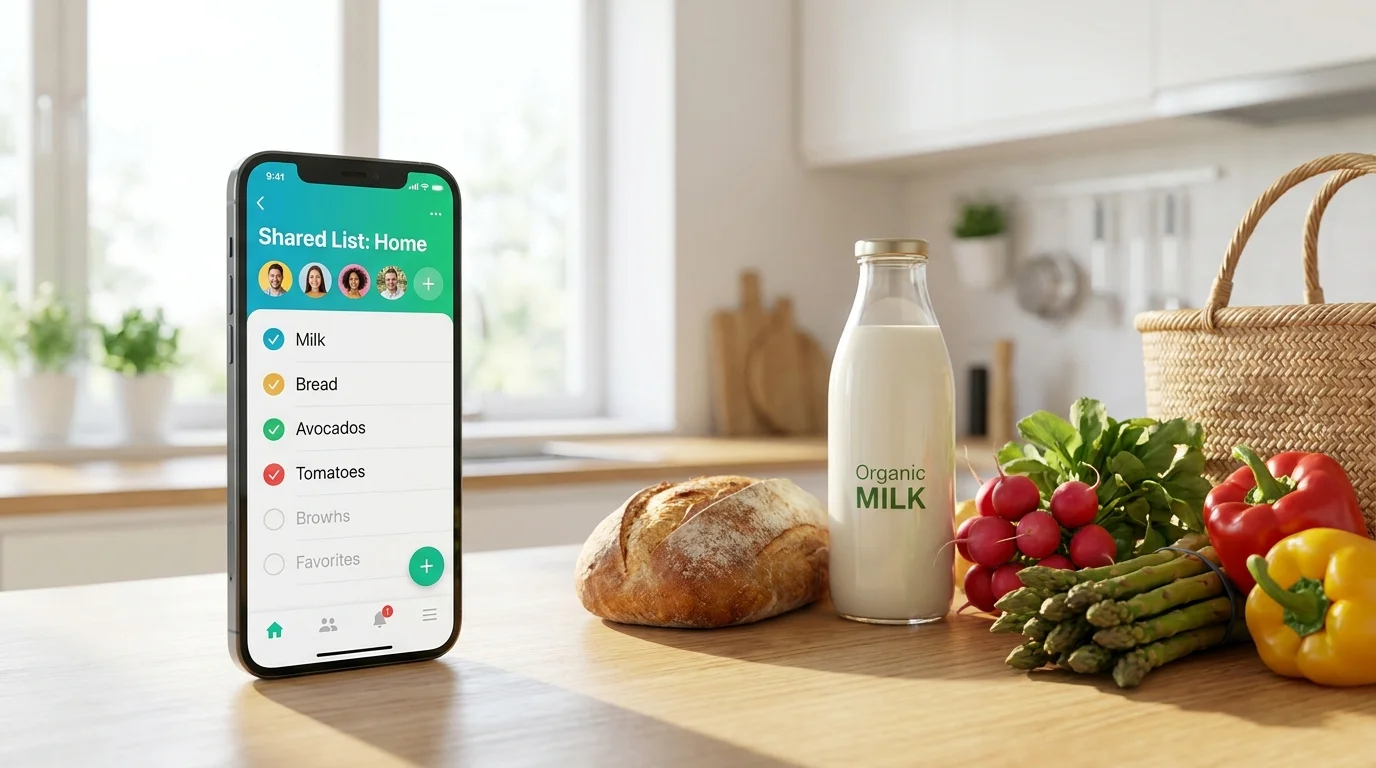
The main advantage of such services is synchronization. If one person adds milk to the list, another will see it almost immediately. And when an item is already in the cart, it can be checked off so no one buys it again.
A good app also helps turn a chaotic list into a clear route through the store. Products can automatically fall into categories like 'vegetables,' 'dairy,' 'groceries,' or 'household,' making the list easier to review before heading out.
Shared lists are useful not only for families. Couples, roommates, colleagues buying office supplies, and small teams organizing events all use them. It's important that the service is understandable to every participant, not just the person who created the list.
Bring! — A Bright and Convenient Choice for Household Shopping
Bring! is one of the most recognizable apps specifically for grocery lists. Its strength is the visual interface: instead of a long text feed, users often see product cards with icons, making the list easy to read on the go.
The app is well-suited for families who regularly buy the same categories of items. You can create multiple lists, invite loved ones, add quantities and notes, and quickly check off purchases. The interface is primarily designed for everyday household scenarios.
Bring!'s basic features are available for free. In different regions, the service may show offers from retail chains or branded content, so those who prefer a completely neutral interface without recommendations might find this unnecessary.
To use it, you need to install the app and create or link an account. This isn't difficult, but when organizing a shared list, the extra registration can sometimes become a barrier for relatives or guests.
AnyList — A Powerful Option for Lovers of Order
AnyList is especially valued by users who need not just a list of products but a flexible system of lists. In addition to shopping, it's convenient for managing recipes, to-do lists, travel plans, and household tasks.
AnyList's strength is its thoughtful organization. The app can sort items into categories, supports multiple lists, and offers many detailed customization options. For people who plan menus and regularly use recipes, this is one of the most functional options.
The free version is suitable for basic lists and collaboration. However, some advanced features, including deeper customization, additional planning tools, and certain synchronization options, may require the AnyList Complete subscription. The subscription cost depends on the country and plan type; expect around $10 per year for an individual plan, but check the current price in the app store.
AnyList is available on major mobile platforms and through a web version. It's a good choice for those willing to spend a few minutes on setup and want an app that's useful beyond just the supermarket.
Listonic — A Practical List with Suggestions and Categories
Listonic focuses on speed of creating a list. The app suggests popular items, remembers frequently added products, and automatically sorts purchases into familiar store departments.
This is convenient if you usually make a list in a couple of minutes before heading out. With Listonic, you can share lists with others, add quantities, comments, and custom items. The service supports mobile devices and web access, which is useful when switching phones or working from a computer.
The basic plan is free and typically supported by ads. Paid options may remove ads and unlock additional features, so Listonic suits those who don't mind a free model with advertising elements.
For shared shopping, the app does its job reliably. However, its interface may seem more cluttered than minimalist notes, especially for users who just need a short shared list without recommendations and extra screens.
Google Keep — Universal Notes That May Already Be Installed
Google Keep wasn't created exclusively for shopping, but many people use it that way. If you already work with Google services, a note with checkboxes can be the fastest way to start a shared list without learning a new interface.
Google Keep's main advantage is its versatility. In one note, you can store items, photos, voice notes, links, and reminders, then open it on your phone, tablet, or browser. Sharing works through Google accounts.
For simple lists, this is enough: create a note, enable checkboxes, and add collaborators. However, Keep doesn't offer specialized shopping logic: there's no convenient automatic sorting by department, product cards, or recipe scenarios typical of dedicated apps.
Google Keep is free for personal use within a Google account. It's especially convenient when everyone already uses Google, but less universal for a group where someone doesn't want to sign into an additional account.
Pickt — A Shared Grocery List Right in Telegram
Pickt takes a different approach: it's a grocery list that works inside Telegram. No need to install a separate app, learn a new interface, or go through separate registration—just open Pickt in your familiar messenger.
This is its main strength. If your family, couple, or roommates already communicate in Telegram, you can create a shared list right where you usually discuss purchases. Participants add items, check off purchased ones, and see changes without switching between multiple apps.
Pickt is completely free. It's especially convenient when you need to quickly involve another person: for example, send a list to your partner, create a list for neighbors, or gather purchases before a trip. However, it requires Telegram, and its capabilities depend on the messenger's connection and features.
For users who need advanced recipes, detailed expense analytics, or complex menu templates, specialized apps may offer more tools. But for a quick shared list without a separate installation, Pickt seems like the most straightforward solution.
Comparison Table of Grocery List Apps
| App | Free Plan | Platforms | Installation Required | Shared Lists | Offline Access |
|---|---|---|---|---|---|
| Bring! | Yes, basic features free | iOS, Android, Web | Yes | Yes | Yes, with sync when connected |
| AnyList | Yes, free version available | iOS, Android, Web | Yes | Yes | Yes |
| Listonic | Yes, usually with ads | iOS, Android, Web | Yes | Yes | Yes |
| Google Keep | Yes | iOS, Android, Web | Usually yes, or via browser | Yes | Yes, in mobile apps |
| Pickt | Yes, completely free | Telegram on mobile and desktop | No, if Telegram is already installed | Yes | Depends on Telegram's network access |
Which App Suits Whom
Bring! is the choice for those who love visual product cards and want a simple family list with a user-friendly interface. It's a strong option for regular grocery shopping when all participants are ready to install the app.
AnyList suits users who want to combine shopping, recipes, and meal planning in one service. Its capabilities shine for those who love order and are willing to switch to a paid expanded plan if needed.
Listonic is a practical choice for those who often make standard lists and value suggestions, categories, and quick input. Google Keep works best as a universal and familiar tool for simple checklists, especially in teams already using Google accounts.
Pickt suits those who don't want to install another app or create a separate account. If your shared chat is already on Telegram, try keeping your grocery list with Pickt: it's a quick, free way to keep needed items in one place and sync them with loved ones.