What to Take on a Camping Trip in 2026: A List of Food and Gear
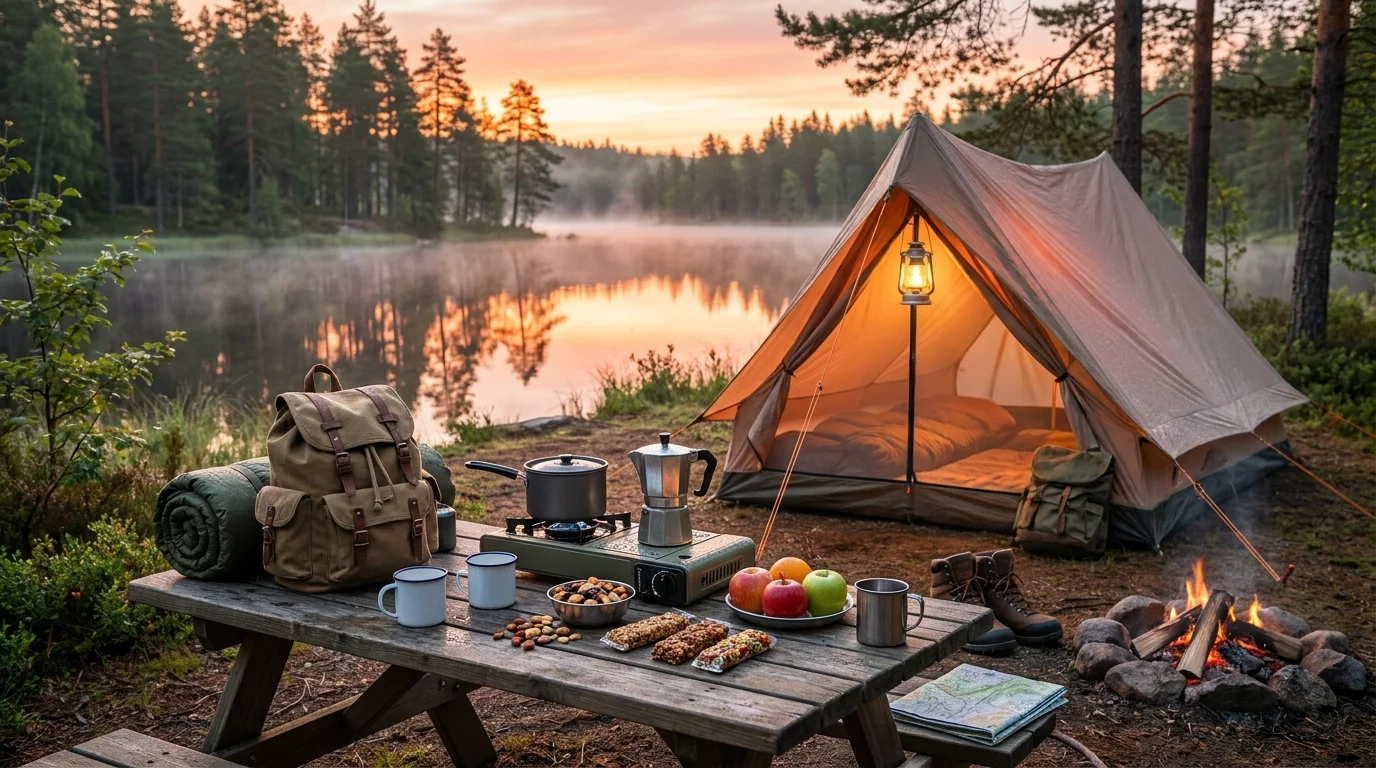
To understand what to take on a camping trip, keep a simple checklist: basic shelter and sleep, weather-appropriate clothing, kitchen and water, daily food, safety, and small essentials. This list is designed for 1–4 people for a short weekend trip or 3–5 days, with adjustments for season and region. In 2026, it's especially important to plan clothing layers and rain protection: the weather is increasingly changing abruptly.
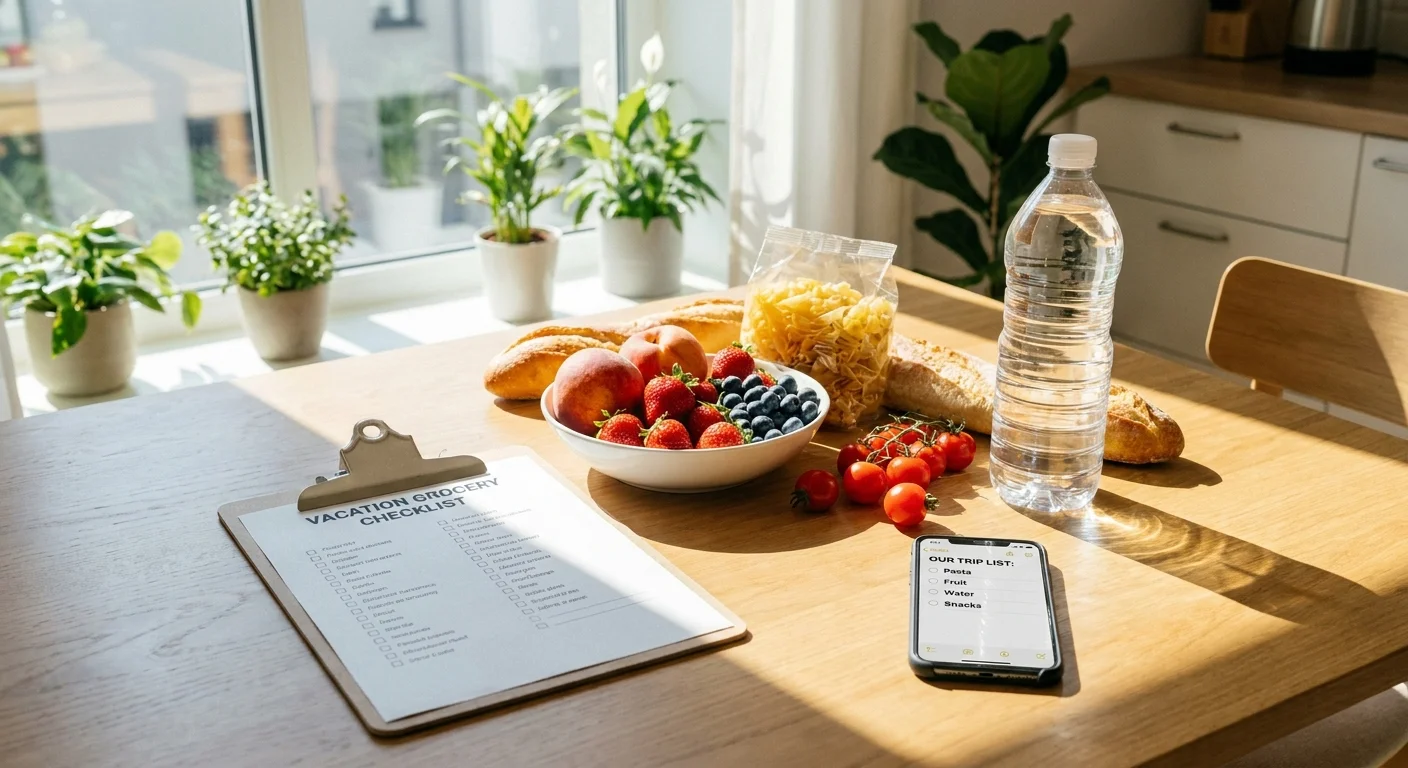
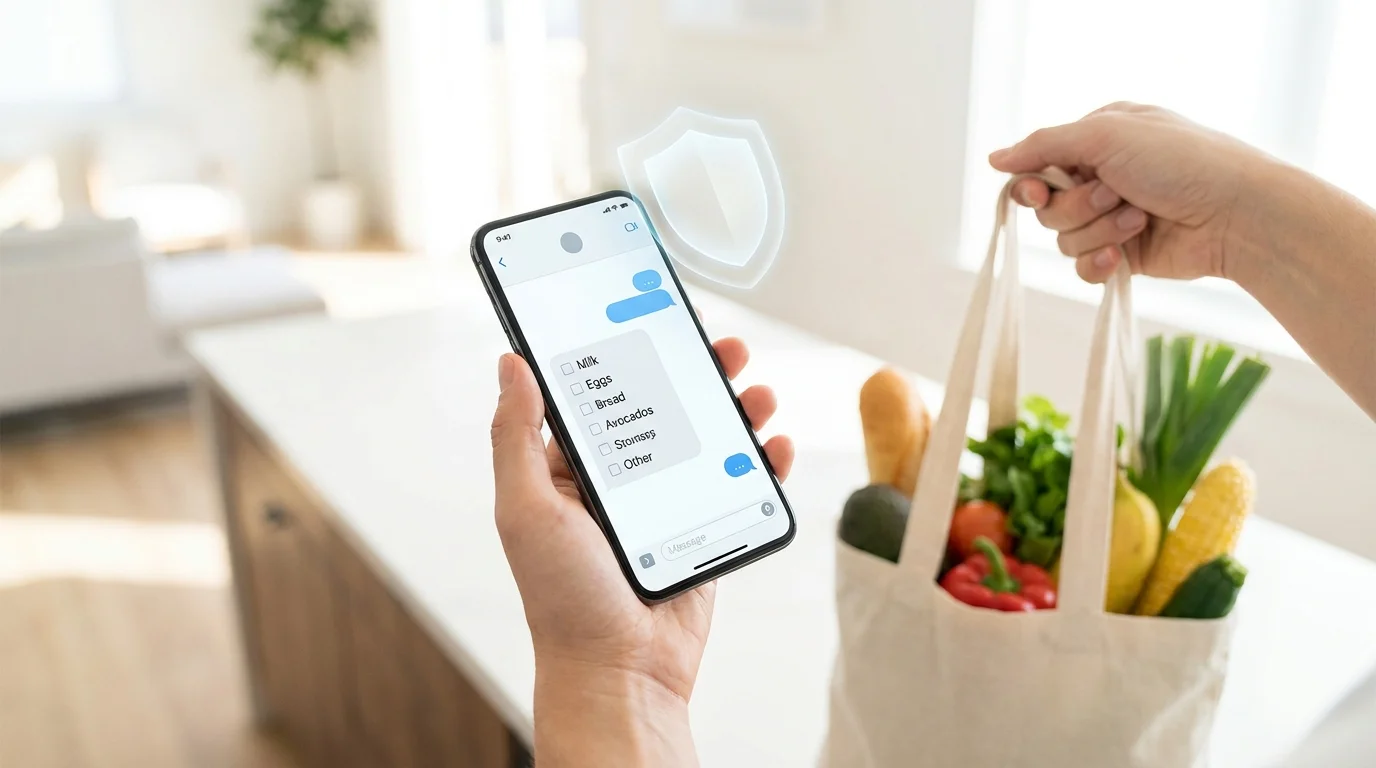
Below are practical sections, each usable independently. It's convenient to pre-assign items to people and mark readiness: for example, in a shared list in the Telegram Mini App Pickt (bot @PicktBot, link: t.me/PicktBot/app), everything syncs in real time.
Camp Base: Tent, Sleep, and Weather Protection
This is the core of any trip. If you're unsure what to take on a camping trip in nature, start with shelter, warmth, and dryness—everything else is secondary.
- Tent suitable for the season (3-season for spring–autumn; reinforced for wind and cold), with a rainfly and intact floor.
- Stakes + spares, guylines, repair kit (patches/glue for rainfly and sleeping pad).
- Footprint/groundsheet under the tent or a thick plastic sheet cut to the floor size.
- Sleeping bag with a comfort temperature rating (base it on nighttime lows, not daytime forecasts).
- Sleeping pad (foam or inflatable)—more important than a "thick sleeping bag" for warmth from below.
- Pillow (camping pillow or a stuff sack for clothes).
- Dry bags/plastic bags for clothes and sleeping bag to keep them dry.
- Tarp (optional) for kitchen/rain—greatly increases comfort in wet seasons.
Seasonal tip for 2026: In spring and early summer, nighttime temperatures of +5…+10 °C and dampness are often critical. It's better to take a sleeping pad with good insulation and a raincoat/tarp than a second sweater.
Clothing and Footwear: Layers, Rain, Warmth, and Spares
Proper layers solve 80% of problems on a hike. This section is about what to take on a camping trip in summer, spring, or autumn to avoid getting cold and wet.
- Base layer: 1–2 sets of thermal underwear or quick-drying t-shirt + long-sleeve shirt.
- Insulation: fleece/down jacket/synthetic jacket (seasonal).
- Rain and wind protection: membrane jacket or rain poncho + rain pants (in wet seasons).
- Pants: trekking pants (preferably quick-drying), shorts—weather permitting.
- Socks: 2–4 pairs of trekking socks + 1 warm pair for sleeping.
- Headwear: cap/sun hat, buff; thin beanie for evenings.
- Gloves: thin gloves (useful in cool weather and when working with fire).
- Footwear: trekking boots/sneakers for the route + lightweight camp sandals/crocs.
- Spare "dry" set for sleeping: socks + thermal long-sleeve shirt/pants.
Mini rule: one set for "walking," another for "sleeping." A dry sleep = recovery and less risk of catching a cold.
Camp Kitchen: Stove, Dishes, Water, and Storage
Even if you plan to use a campfire, having an independent kitchen is safer and faster. This list helps answer the question of what you need for a camping trip in terms of cooking and water.
- Stove (gas/multi-fuel) + fuel canister with a reserve (for 1–2 days, take 30–50% extra).
- Lighter + matches in a waterproof container, ferro rod—as a backup.
- Pot/pan, mug, bowl, spoon/fork (spork is more convenient).
- Knife + small cutting board or a folding "kitchen" knife.
- Water bottle/flask (1.5–2 liters per person minimum) + soft water container for camp.
- Water filter or purification tablets (especially in forests and mountains).
- Thermos (seasonal)—hot tea in the evening and morning saves gas.
- Sponge/mini dish soap, small towel, trash bags.
- Containers/zip-lock bags for portions and protection from moisture.
About storage: In the heat of 2026, food spoils faster. Minimize perishables, take portioned packages, and keep food in the shade in a dry bag.
Camping Food: Menu and Grocery List for 1–3 Days
If you need a clear guide for camping food list, choose simple dishes with minimal cooking and stable ingredients. Below is a basic set that's easy to adapt for vegetarians and children.
Breakfasts
- Instant oatmeal/buckwheat flakes.
- Dried fruits, nuts, seeds, honey/sugar.
- Powdered milk or cream (optional).
- Tea/coffee, cocoa, powdered lemon or ginger.
Lunches/Snacks on the Go
- Flatbread/crispbread/rusks (better than soft bread—less crumbly and lasts longer).
- Pâté/tuna/canned goods, hard cheese (in cool weather) or individually wrapped cheese.
- Smoked sausage or jerky (if you eat meat).
- Vegetables that travel well: cucumbers, carrots, bell peppers, apples.
- Energy bars, chocolate, dried fruits, nuts.
Dinners
- Couscous/bulgur/rice/instant pasta.
- Freeze-dried meals or instant soups (very convenient for 2026: lightweight and quick to prepare).
- Stewed meat/canned goods/soy chunks, tomato paste in sachets.
- Spices: salt, pepper, dried garlic, paprika; oil in a small bottle.
Minimal "Flavor and Comfort"
- Salt + sugar, 1–2 favorite seasonings.
- Tea bags, isotonic drink/electrolytes (relevant in hot weather).
- Gum/hard candies (help with dry mouth and during climbs).
Example Daily Ration for One Person
- Breakfast: 80–100 g of porridge + 30 g of nuts/dried fruits + tea.
- Snacks: 1–2 bars + 40–60 g of nuts + an apple.
- Lunch: flatbread/crispbread + 1 can of fish/pâté + vegetables.
- Dinner: 100–120 g of grains/pasta + addition (stewed meat/freeze-dried meal) + tea.
Tip: If you're going with a group, it's easier to compile a shared grocery list and assign "who carries what." In Pickt, you can create a joint checklist so no one buys three packs of salt and forgets the stove.
Safety and Navigation: First Aid Kit, Communication, Light, Documents
This part is about what to take on a camping trip to avoid relying on luck. Even on a simple route, basic safety is essential.
- First aid kit: band-aids (regular and for blisters), bandage/elastic bandage, antiseptic, pain reliever/fever reducer, antihistamine, anti-diarrhea medication, personal medications.
- Insect protection: repellent, after-bite treatment; in tick-prone regions—tweezers/tick remover.
- Sun protection: SPF 30–50, lip balm with SPF, sunglasses.
- Flashlight: headlamp + spare batteries or power bank.
- Navigation: offline maps on phone, compass; route track prepared in advance.
- Communication and power: power bank (10–20 thousand mAh), cable, if necessary—second phone/radio.
- Documents: passport/copy, insurance, cash, note with contacts.
- Fire safety: mini fire extinguisher not needed, but water/soil near the campfire and following rules are mandatory.
Important: Before leaving, inform loved ones of your route and expected return time. In 2026, this remains the simplest way to reduce risks.
Small Things That Make Camping Comfortable: Hygiene, Repairs, Camp
These items are rarely remembered when making a list of what to take on a camping trip, but they save comfort and time.
- Hygiene: toothbrush/toothpaste, wet wipes, toilet paper in a bag, hand sanitizer.
- Towel made of microfiber.
- Trash bags (several sturdy ones)—take everything with you.
- Sit pad (foam)—convenient for breaks and at camp.
- Rope/paracord + clothespins (for drying clothes, tarp, hanging food).
- Multi-tool or small kit: electrical tape, zip ties, needle/thread, spare buckle.
- Anti-chafing product (Vaseline/cream) and blister band-aid applied in advance.
- Rain cover for backpack or a large trash bag inside.
Life hack: Pack a "quick-access bag" (flashlight, raincoat, snack, first aid kit) at the top of your backpack—this saves stress in the rain.
Conclusion
In short, what to take on a camping trip in 2026: a reliable "tent–sleep–dryness" system, clothing layers for your season, an independent kitchen and water, simple food with a clear ration, and basic safety. Go through the checklist, distribute group gear and food among participants, and check everything at home—this way, the trip will start calmly, not with searching for stakes in the parking lot.
Frequently Asked Questions
What to take on a 2-day camping trip if it's our first time?
Take the minimum: tent, sleeping bag and pad, raincoat, headlamp, first aid kit, stove and 1 fuel canister, pot, water, and simple food (porridge, couscous, canned goods, snacks). The rest depends on weather and route.
How much water to take on a camping trip?
If there's no guaranteed water source, plan for 2–3 liters per person per day in warm weather. If there's a river/spring, take a filter or tablets and carry 1.5–2 liters "on hand."
What food is best for a camping trip?
Food that doesn't spoil and cooks quickly: instant grains, couscous, pasta, freeze-dried meals, canned goods, nuts, dried fruits, crispbread, hard vegetables and fruits. Perishables (meat, dairy)—only if you're sure of cool weather and for the first day.
How not to forget important items when going with a group?
Create a shared checklist, assign responsibility for the tent, stove, first aid kit, and food, then check the "critical minimum" before leaving. It's convenient to keep such a list in Pickt so all participants see changes immediately.