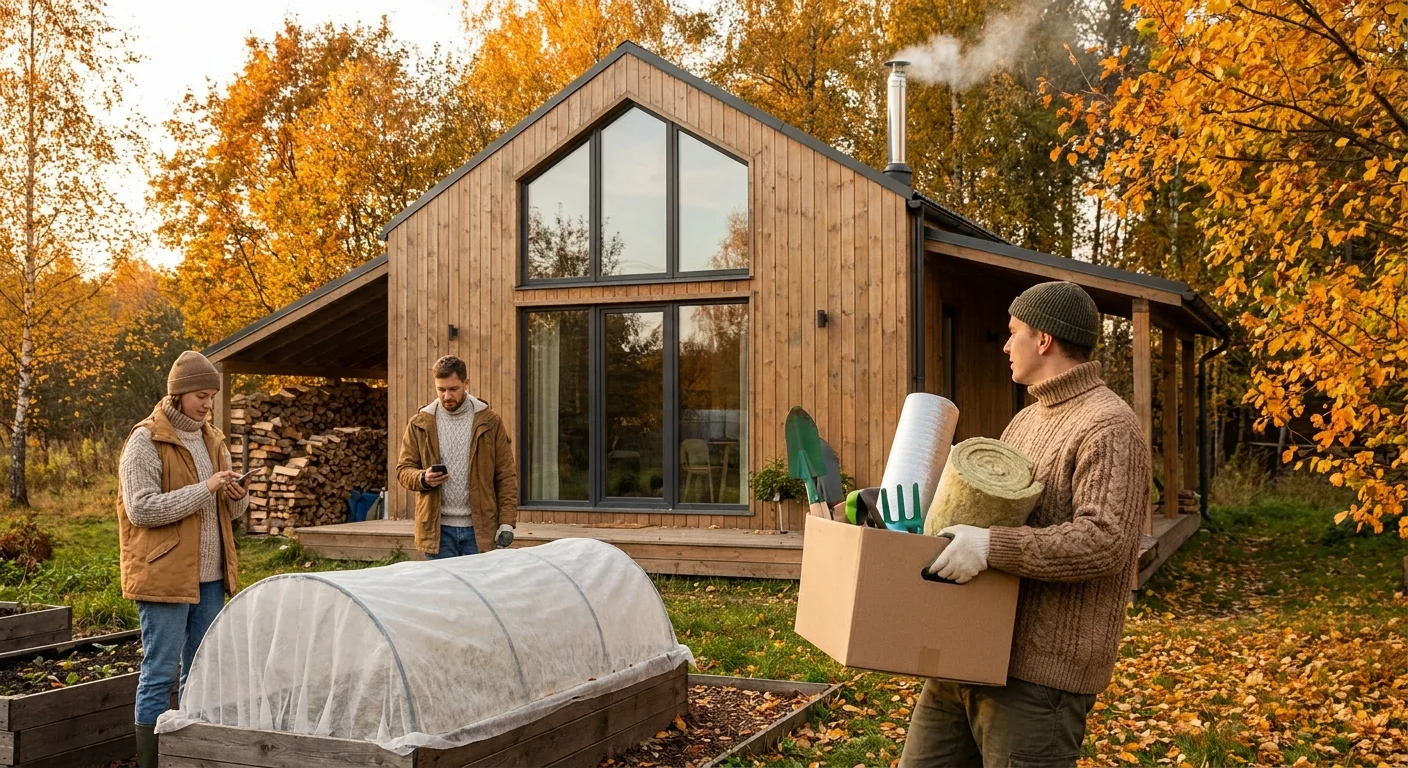
Properly winterizing your dacha helps you avoid starting the season with repairs, mold, burst pipes, and uninvited guests. The main goal of the last visit is to protect the house, the plot, and your belongings from frost, moisture, rodents, and unexpected accidents.
Instead of three rushed trips, it's better to organize one well-thought-out outing. In advance, create two lists in Pickt: the first is “Buy for Winterizing,” and the second is “Do at the Dacha.” This way, all family members will see the current tasks in Telegram, can add missing items, and mark completed tasks right on the spot.
Below is a unified plan that you can easily transfer to shared shopping and to-do lists. Adapt it to your home: a seasonal dacha without heating, a permanent country house, or a plot you visit in winter.
What to Buy for Winterizing the House
Before the last trip, assess what's missing to protect the building. Don't assume you'll find the necessary materials in the shed: in autumn, stores quickly sell out of insulation, covering materials, and pest repellents.
Film and Moisture-Proof Materials
Thick polyethylene film will come in handy for temporarily protecting furniture, firewood, building materials, and items in unheated rooms. You can cover items that can't be taken away, but it's important not to wrap damp furniture hermetically: first dry it, otherwise mold will appear under the film.
Check the windows, attic, roof, and ventilation openings. For minor repairs, you may need reinforced tape, sealant, mounting foam, window weatherstripping, and work gloves.
Pipe Insulation
Thermal insulation for pipes reduces the risk of freezing in outdoor sections of the water supply and sewerage. Buy pipe insulation of the appropriate diameter, moisture-resistant tape, and, if necessary, a heating cable. But remember: insulation does not replace draining the water from the system if the house remains without heating.
Rodent Control
In autumn, mice actively seek warm shelter and food. Purchase mechanical traps, closed bait containers, or repellents—depending on your chosen method of protection. Be sure to take away all grains, pet food, seeds, and food products or store them in airtight containers.
Seal gaps near the floor, around pipes, in ventilation ducts, and under doors. For this, metal mesh, sealant, and weatherstripping will be useful. Use poisonous agents carefully, especially if children, pets, or wild animals might access the plot.
Locks and Entrance Protection
Inspect the gate, wicket, shed doors, garage, and house. Replace a rusty padlock before the frost sets in. Moisture-resistant locks, protective covers, spare keys, and lubricant for mechanisms are useful. Don't leave expensive tools in plain sight: even a reliable lock doesn't negate sensible storage.
Garden and Beds
Preparing the plot for winter affects plant health and the volume of spring work. Remove plant debris, but don't rush to “clean out” the garden completely: some healthy foliage can go to compost, and perennials often need natural protection from the cold.
Covering Material
For roses, hydrangeas, grapes, young conifers, and other sensitive crops, buy breathable covering material, arches, twine, and stakes. Don't cover plants too early: covering is done after a steady cold snap, when the ground has slightly frozen. Under film without ventilation, plants can rot.
Tie up the crowns of young conifers so snow doesn't break branches. Mulch tree trunks with bark, compost, or dry leaves if the plants are healthy. Protect the trunks of fruit trees with mesh against hares and rodents.
Whitewashing Trees
Autumn whitewashing helps protect the bark of fruit trees from sunburn, frost cracks, and some pests. Clean the trunks of peeling bark with a soft brush, treat damage with garden pitch if necessary, and apply ready-made garden whitewash in dry weather.
Autumn Fertilizers
For the garden and perennials, choose autumn fertilizers with phosphorus and potassium. They support the root system and help plants prepare for the cold. Nitrogen fertilizers are usually not applied in autumn: they stimulate the growth of young shoots that won't have time to mature before frost.
Collect fallen diseased leaves, mummified fruits, and affected branches separately from regular compost. It's better to dispose of them so as not to leave diseases and pests a place to overwinter.
What to Take Back to the City
The less valuable, edible, and cold-sensitive items remain at the dacha, the calmer the winter will be. When gathering items, divide them into three categories: take away, protect on site, and dispose of.
Harvest and Food
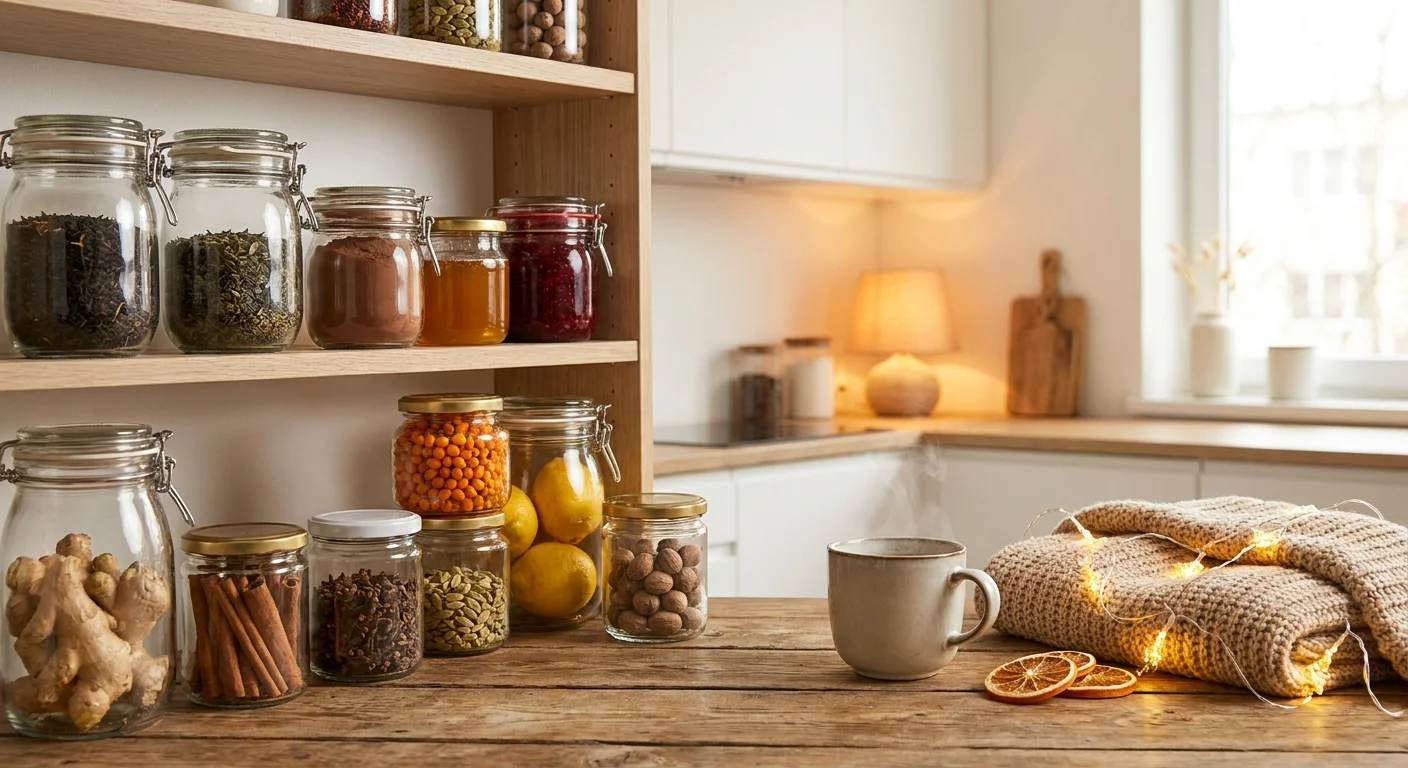
Take vegetables, fruits, preserves, canned goods, potatoes, onions, and apples if the house doesn't have a stable cellar with a suitable temperature. Don't leave grains, flour, tea, sugar, pet food, or even open spices: they attract mice and absorb dampness.
Check the refrigerator. Turn it off, defrost it, wash it, and leave the door slightly ajar. This protects against musty odors and mold.
Electronics and Tools
Take electronics, cordless tools, chargers, laptops, speakers, expensive garden appliances, and gas cylinders if storage regulations allow. Batteries are especially sensitive to cold and moisture.
Prepare gasoline-powered equipment according to the manufacturer's instructions: drain fuel or add a stabilizer, clean the mower and trimmer, and dry the tools. Clean metal tools from soil, dry them, and treat them with protective lubricant.
Textiles and Personal Items
Wash and completely dry bedding, blankets, towels, curtains, and seasonal clothing. It's better to take valuable items back to the city. Store the rest of the textiles in airtight bags or containers with moisture absorbers, after making sure the room is dry.
Utilities: Drain Water, Cut Power, Shut Off Gas
Utilities are the most important part of winterizing. A mistake in this area can lead to expensive repairs, so don't rush and check the instructions for your equipment.
Shut off the water supply, drain water from pipes, water heater, pumps, filters, toilet tank, and outdoor faucets. Open the taps to remove residual pressure. If the system has complex equipment, heated floors, or a pressure tank, it's better to call a specialist or use a pre-verified draining scheme.
Unplug electrical appliances from outlets. At the panel, de-energize unnecessary circuits, leaving power only for systems that should work in winter: for example, security alarms, cameras, or backup heating. Before doing this, make sure they are indeed designed for autonomous operation.
Shut off the gas valve. Do not store cylinders in the living area, basement, or near heat sources. If there's a gas boiler, follow the manufacturer's regulations and the agreement with the service organization: sometimes completely shutting down the system requires a separate procedure.
Final Walkthrough: Photo Documentation Before Leaving
Spend the last 15–20 minutes on a final walkthrough. Follow the route: house, kitchen, bathroom, boiler room, attic, veranda, shed, plot, gate. Don't rely on memory—mark items in the Pickt to-do list as you check them.
Take photos of the electrical panel, shut-off water and gas valves, meter readings, closed windows, doors, locks, and the condition of the plot. In spring, these photos will help you remember what was turned off, and in an unforeseen situation, they'll give you a reference point.
Unified Checklist: Buy and Do
Buy
- Thick film, reinforced tape, sealant, and window weatherstripping.
- Pipe insulation, moisture-resistant tape, and a heating cable if needed.
- Rodent control products, traps, airtight containers, and metal mesh.
- New locks, lubricant for mechanisms, spare keys.
- Covering material, arches, twine, stakes, and mulch.
- Garden whitewash, protective mesh for trunks, garden pitch.
- Autumn phosphorus-potassium fertilizers.
- Moisture absorbers, bags, or containers for textiles.
Do
- Check the roof, windows, doors, ventilation, and seal gaps.
- Remove food, harvest, seeds, and pet food.
- Defrost, wash, and leave the refrigerator slightly open.
- Take valuable electronics, batteries, gadgets, and personal items.
- Prepare garden equipment and treat tools against corrosion.
- Cover sensitive plants, whitewash trees, apply autumn fertilizers.
- Shut off water and gas, drain the water system, turn off unnecessary electricity.
- Close the house, shed, garage, check locks and gates.
- Take photos of utilities, meters, windows, and doors.
Create these two lists in Pickt in advance and invite everyone involved in closing the season. One person can buy materials, another can prepare the garden, and a third can check the utilities. Shared checkmarks in Telegram will save you from calls like “Did you definitely turn off the water?” and let you leave the dacha calmly.