Vegan and Lenten Weekly Grocery List
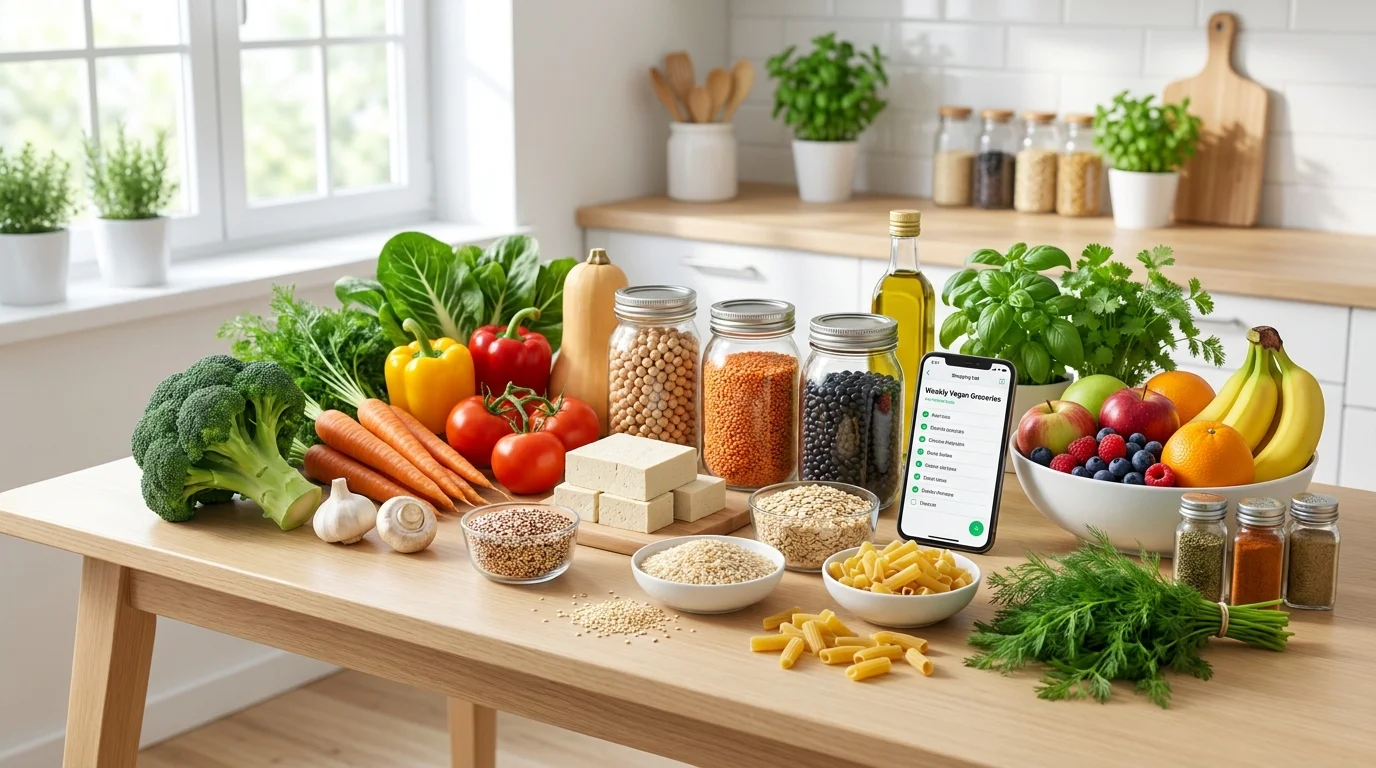
Below is a practical grocery list for a vegan and lenten weekly menu: basic grains and legumes, vegetables and fruits, plant-based protein sources, healthy fats, snacks, spices, and meal prep items. It is designed for 1–2 people and easily scales for a family: just multiply the quantities and add your favorite dishes. The list helps cover breakfast, lunch, and dinner without a protein deficit and without chaos at the store.
If you are not shopping alone, it is convenient to keep a shared list in the Pickt mini-app on Telegram: add items on the go, and your loved ones will see changes in real time (bot @PicktBot, link: t.me/PicktBot/app).
1) Weekly Staples: Grains, Pasta, Bread, and "Quick" Carbohydrates
This section is the foundation of a lenten diet: it provides porridge, side dishes, soups, bowls, and quick dinners. Keep 4–6 items to avoid repetition and dependence on a single grain.
- Rolled oats (regular or steel-cut) — for porridge, granola, cookies.
- Rice (basmati/jasmine + brown if desired) — side dishes, pilaf, rice with vegetables.
- Buckwheat — side dish, buckwheat with mushrooms, patties.
- Quinoa or bulgur — for salads and bowls (optional).
- Durum wheat or whole wheat pasta — quick dinners with sauce.
- Bread/pita bread/pitas — for toasts, rolls, quick snacks.
- Potatoes or sweet potatoes — baking, mashed with plant milk.
Quantity tip: For 1–2 people, 1–1.5 kg of grains and pasta total per week is usually enough, if some calories come from legumes, vegetables, and bread.
2) Plant-Based Protein: Legumes, Tofu, Tempeh, and Substitutes
To make the lenten menu filling, include 1–2 servings of protein each day. This is key to avoiding cravings for sweets and endless snacking.
- Lentils (red and/or green) — soups, stews, "bolognese."
- Chickpeas — hummus, roasted with spices, curry.
- Beans (red/white) — chili, soups, salads.
- Green peas (frozen) — pasta, risotto, pureed soup.
- Tofu (firm) — frying, baking, scramble.
- Tempeh or textured vegetable protein (TVP) — for stews and pasta (optional).
- Ready-made hummus or ingredients for it (chickpeas + tahini + lemon) — quick sandwiches.
- Unsweetened plant-based yogurt (soy/coconut) — sauces, breakfasts (optional).
If you need a "lenten weekly grocery list" without soy: focus on lentils, chickpeas, beans, peas, as well as seeds and nuts. Replace tofu/soy products with legumes and mushrooms.
3) Vegetables and Herbs: A Versatile Set for Soups, Salads, and Roasting
Vegetables provide volume, fiber, and flavor. Buy some fresh and some frozen: this makes it easier to maintain variety and avoid waste.
Everyday Vegetables
- Onions and garlic — the base for almost all hot dishes.
- Carrots — soups, stews, salads.
- Cabbage (white or napa) — salads, braising, cabbage soup.
- Tomatoes and cucumbers — salads, sandwiches (seasonal).
- Bell peppers — salads, roasting, stews.
- Zucchini/eggplant — roasting, vegetable sautés.
- Beets — salads, roasting, meatless borscht.
Leafy Greens and Additions
- Spinach (fresh or frozen) — in pasta, soups, smoothies.
- Arugula/salad mixes — quick salads.
- Parsley/dill/cilantro — aroma and "freshness" for dishes.
- Green onions — salads and toppings.
- Lemons — dressings, hummus, marinades.
Frozen Vegetables for Time Savings
- Stir-fry/vegetable mix.
- Broccoli or cauliflower.
- Green beans.
Practical tip: If you are making a "vegan weekly grocery list," keep at least 2–3 types of vegetables for roasting (e.g., potatoes + broccoli + peppers) and 2 types for salads (cucumbers + tomatoes/cabbage).
4) Fruits, Berries, and Snacks: To Avoid Impulse Eating
Snacking during Lent is not a "weakness" but a way to maintain a stable routine. The key is to choose options with fiber and/or fat, not just quick sugar.
- Apples/pears — versatile and inexpensive.
- Bananas — for porridge, smoothies, baking.
- Citrus fruits — vitamin C and freshness.
- Frozen berries — for oatmeal, smoothies, sauces.
- Dried fruits (dates/dried apricots/raisins) — in porridge and snacks (in moderation).
- Nuts (walnuts/almonds/cashews) — snacks, sauces, salads.
- Seeds (pumpkin, sunflower, sesame, chia/flax) — in salads, porridge, granola.
- Dark chocolate 70%+ — a dessert without excess.
Life hack: Put together a "snack pack" (nuts + dried fruits + chocolate) and add it to the general list. In Pickt, it is easy to mark what has already been bought to avoid duplicate packages.
5) Healthy Fats, Sauces, and Spices: Flavor Without Extra Effort
Vegan and lenten diets often fail not due to calories but to flavor. Sauces and spices solve this in a minute and make even simple buckwheat taste restaurant-quality.
Fats and Bases
- Olive oil (for salads) + vegetable oil (for frying).
- Avocado (optional) — toasts, salads.
- Tahini (sesame paste) — hummus, sauces.
- Unsweetened peanut butter — sauces, porridge, snacks.
Sauces and Condiments
- Soy sauce or tamari — for stir-fries, marinades.
- Tomato passata/crushed tomatoes — pasta, soups, chili.
- Coconut milk — curry, soups (optional).
- Mustard — dressings and marinades.
- Apple/wine vinegar — salads, quick marinades.
- Maple syrup/agave syrup or honey (if honey is allowed in your version of Lent) — sauces and baking.
Spices That "Pull Together" the Menu
- Salt, black pepper.
- Paprika (regular/smoked) — for a "meaty" flavor without meat.
- Curry or garam masala — chickpeas, lentils, vegetables.
- Cumin — legumes and hummus.
- Dried garlic/onion — quick and convenient.
- Italian herbs/oregano/basil — pasta and tomato dishes.
- Nutritional yeast — "cheesy" flavor, sprinkle for pasta (optional).
6) 60-Minute Meal Prep: What to Buy to Cook Faster All Week
This section makes the vegan and lenten weekly grocery list truly convenient: you spend an hour at the start and then assemble meals in 10–15 minutes. The purchases here are simple, but the effect is maximum.
- For hummus and sauces: chickpeas (or ready-made), tahini, lemon, garlic, olive oil.
- For a "flavor base": onions, carrots, celery (optional), tomato passata.
- For roasting for 2–3 days: potatoes/sweet potatoes, broccoli/cauliflower, peppers, zucchini; spices (paprika, salt, pepper).
- For quick protein dinners: tofu or tempeh + soy sauce + ginger (optional) + sesame seeds.
- For breakfasts: oatmeal + bananas/berries + seeds (chia/flax) + nuts.
How to use: At the beginning of the week, cook a grain (e.g., rice or quinoa), prepare a pot of lentil soup, and a tray of roasted vegetables. Then alternate: bowl (grain+vegetables+chickpeas), pasta with tomato sauce and beans, salad with hummus and pita bread.
Mini-checklist "before going to the store": check your home for salt/oil/spices, leftover grains and legumes, and choose 2–3 key dishes for the week. In Pickt, it is convenient to keep a list template and copy it each week, changing only seasonal vegetables and fruits.
Conclusion
A good vegan and lenten weekly grocery list is not about exotic items but a smart foundation: grains + legumes/tofu + plenty of vegetables + fruits + sauces and spices. With this set, you can easily assemble varied dishes, stay full, and avoid overspending. Save the checklist, adapt it to the season, and keep a shared list if you shop together — it is simpler and faster.
Frequently Asked Questions
How to create a lenten weekly menu with enough protein?
Add a protein source to each meal: legumes (lentils, chickpeas, beans), tofu/tempeh, peas, as well as nuts and seeds. Aim for at least 1–2 servings of protein per day, preferably distributed across 3–4 meals.
What should I buy first if the budget is limited?
Choose the "cheap basics": oatmeal, rice/buckwheat, lentils, beans, seasonal cabbage, carrots, onions, potatoes, frozen vegetables, apples. Add flavor with tomato passata, soy sauce, and basic spices.
Can I make a vegan weekly grocery list without gluten?
Yes. Replace wheat with rice, buckwheat, quinoa, corn or rice pasta, and bread with gluten-free bread or rice cakes. Ensure soy sauce is gluten-free (tamari).
What products are most often forgotten in a vegan shopping list?
Lemons (for dressings), tahini/nut butter (for sauces), frozen vegetables (for quick dinners), and seeds (flax/chia/sesame) for adding fats and minerals. Crushed tomatoes are also often forgotten — but they are the base for half of quick dishes.